Opening Up Architecture: Connecting People with Design in Berkshire
Chris Dale • April 29, 2026


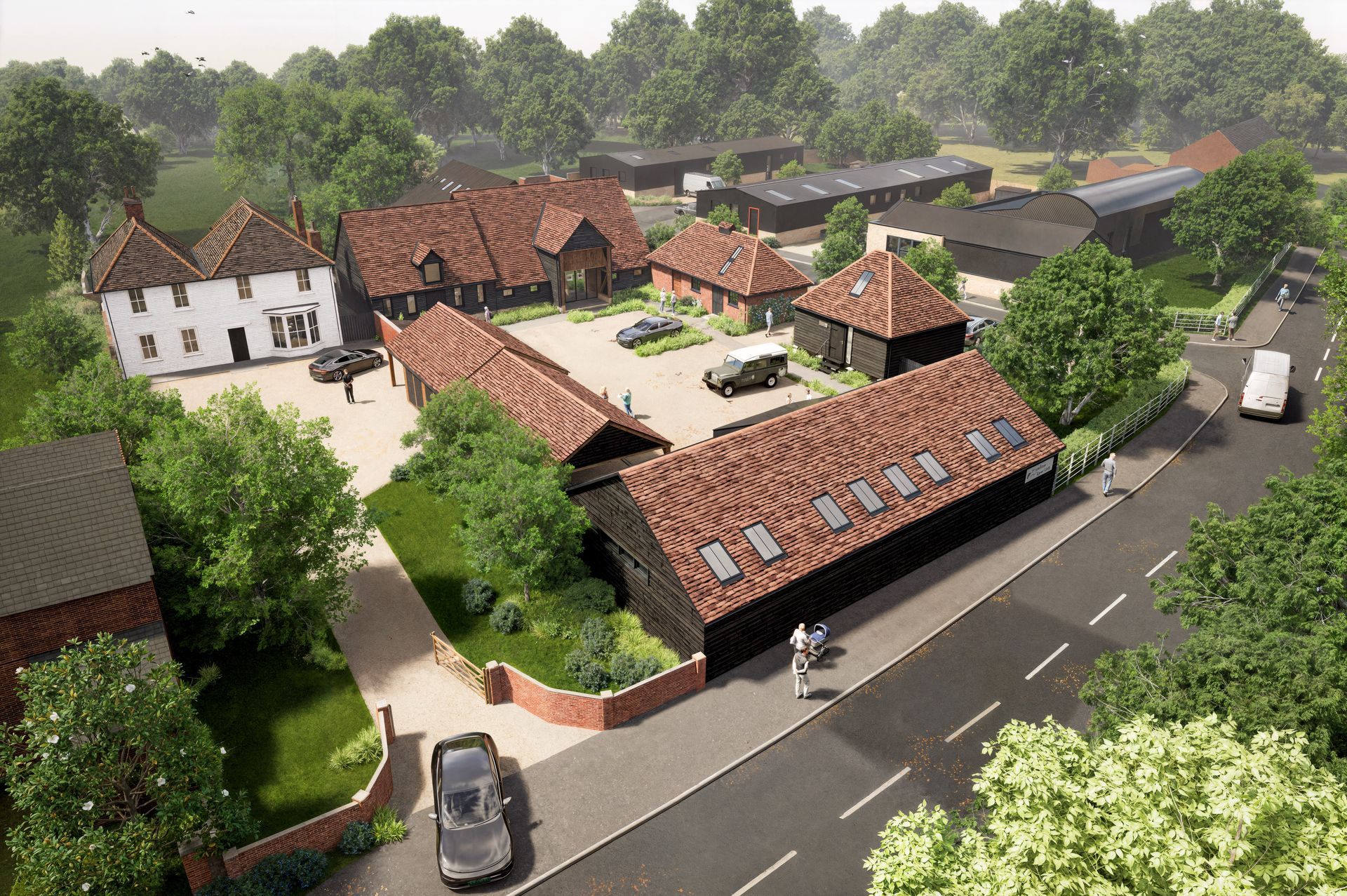
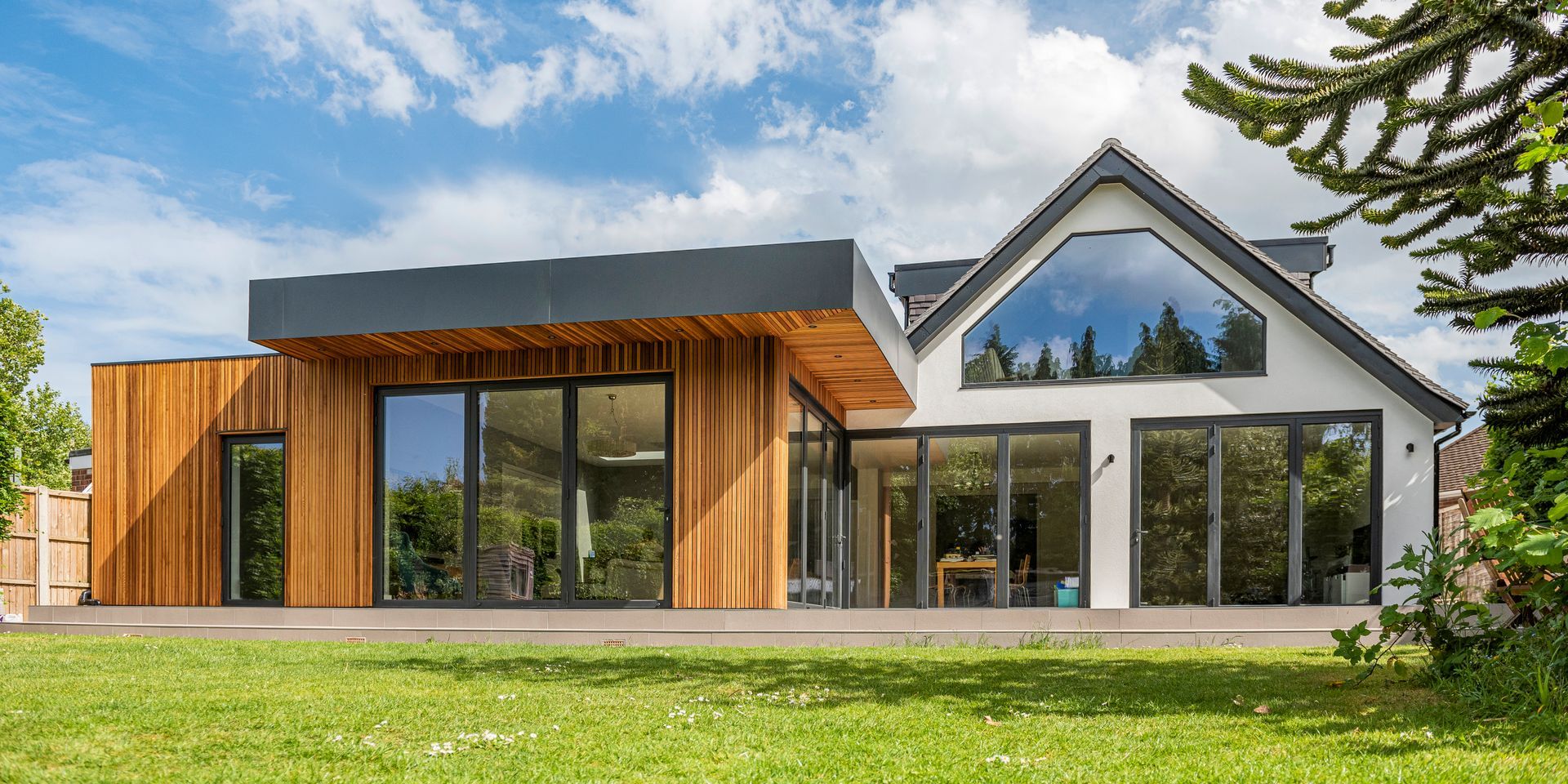
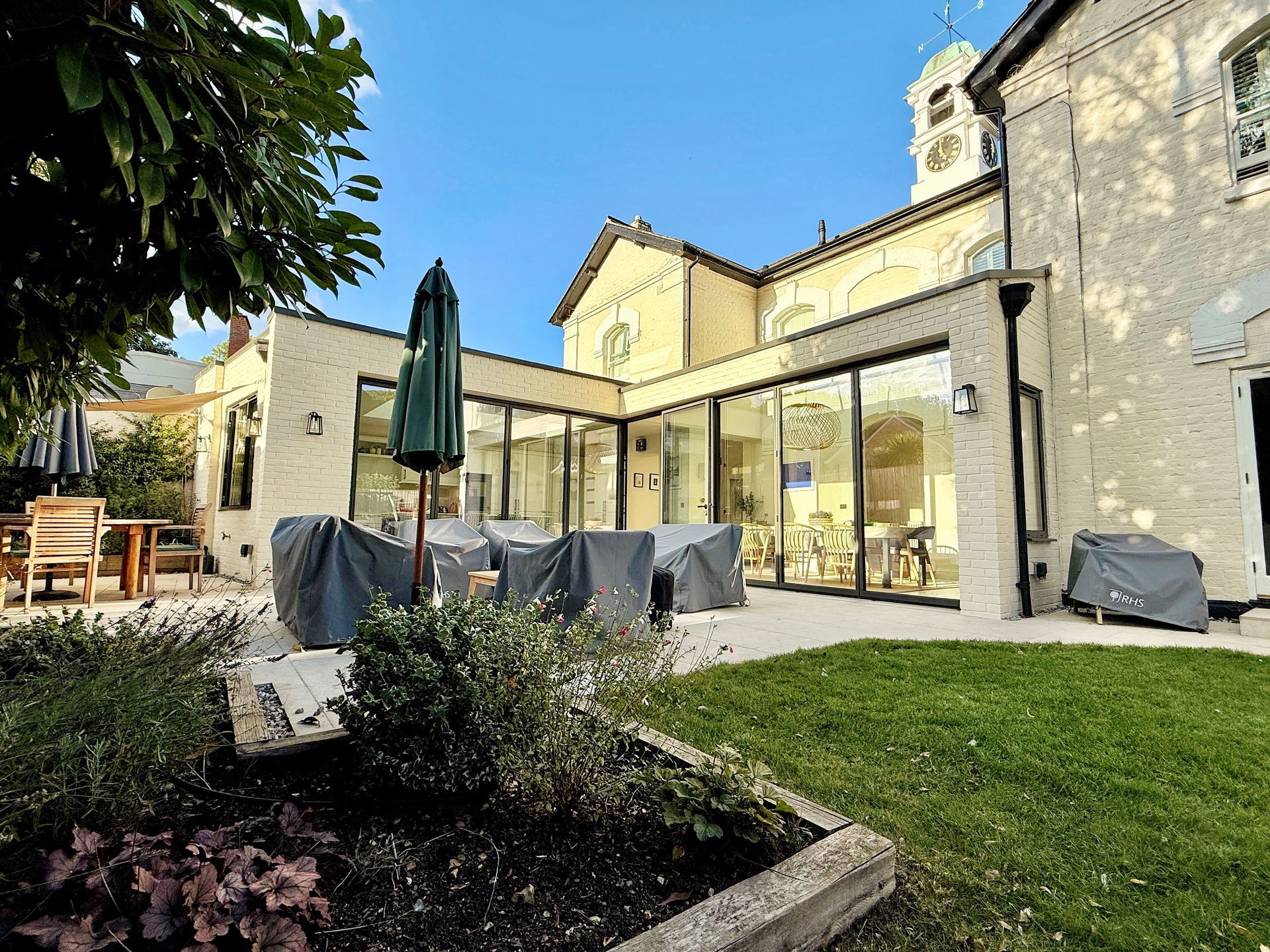
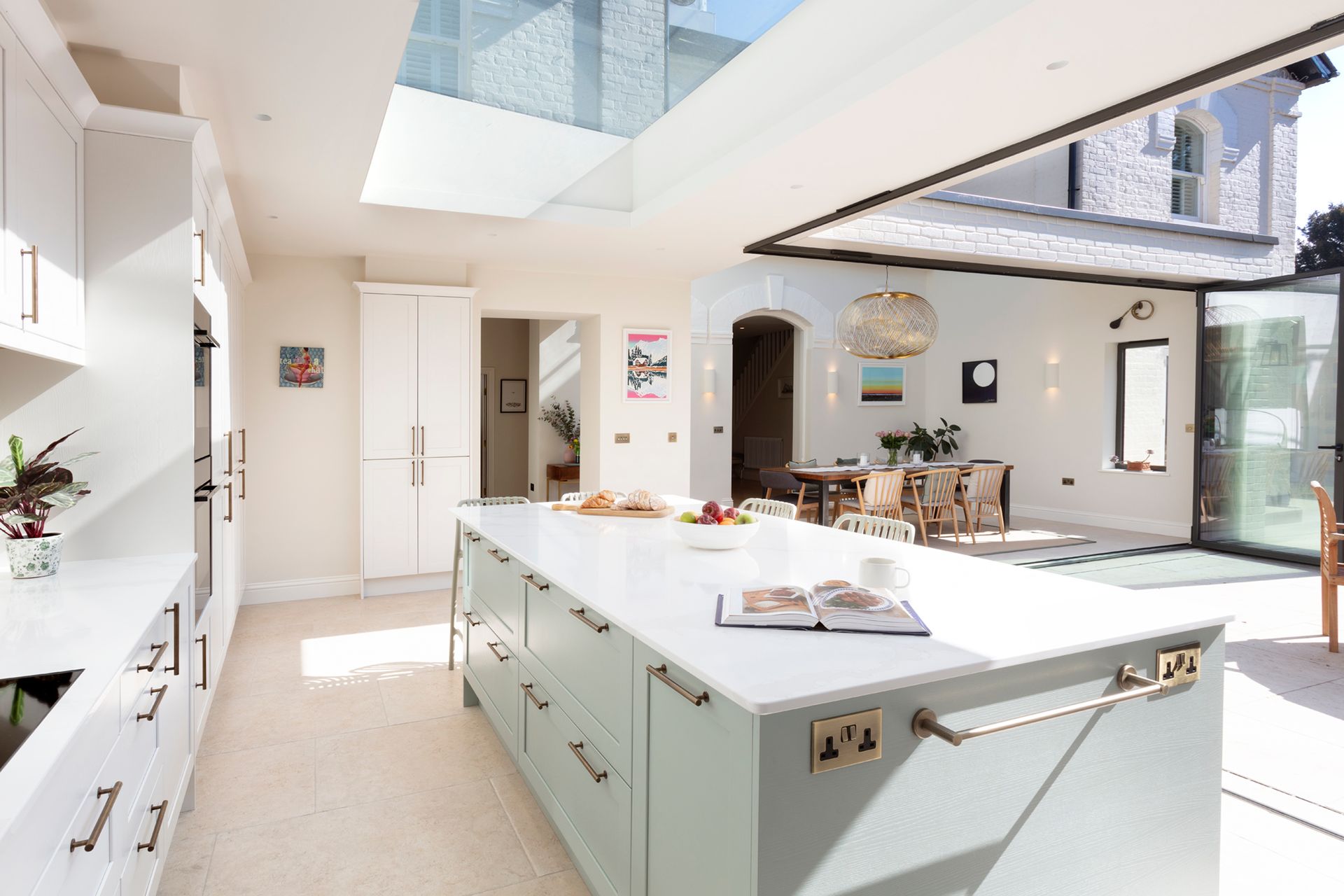
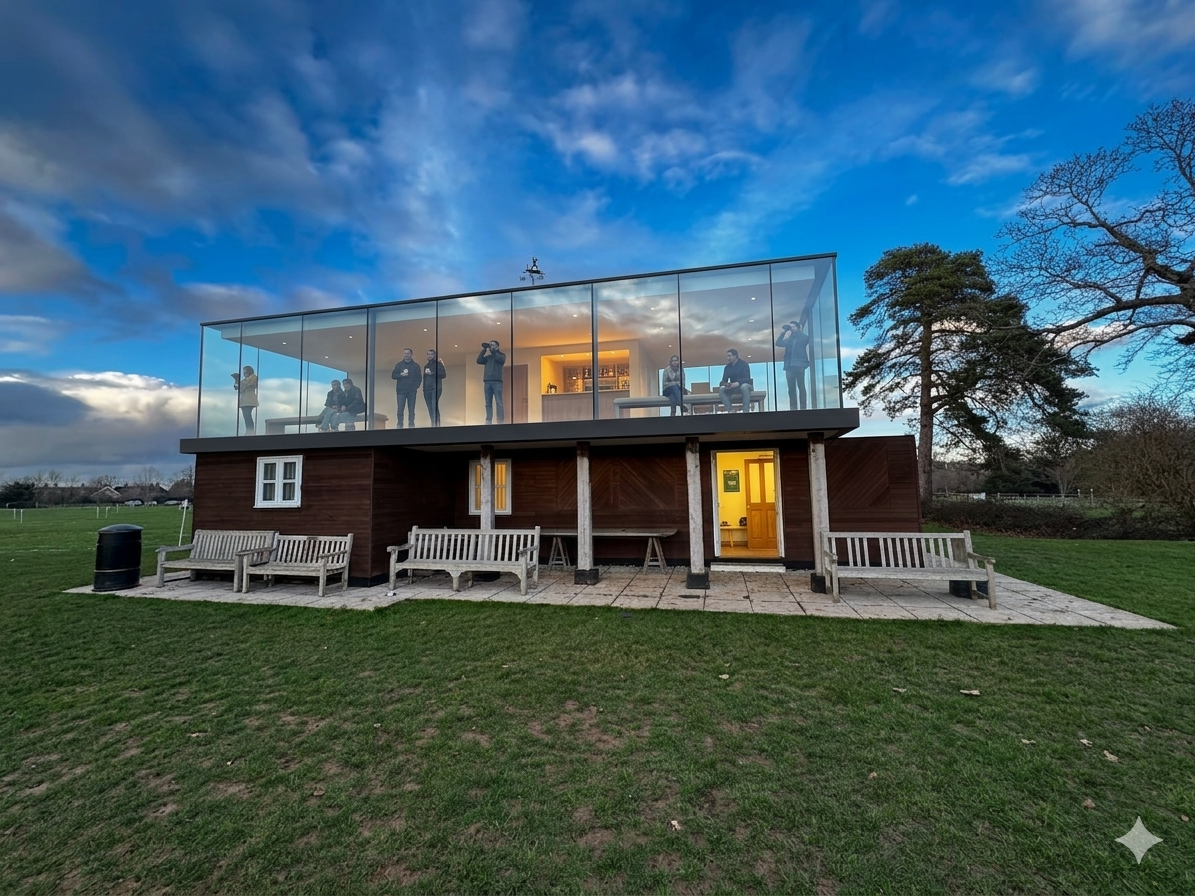
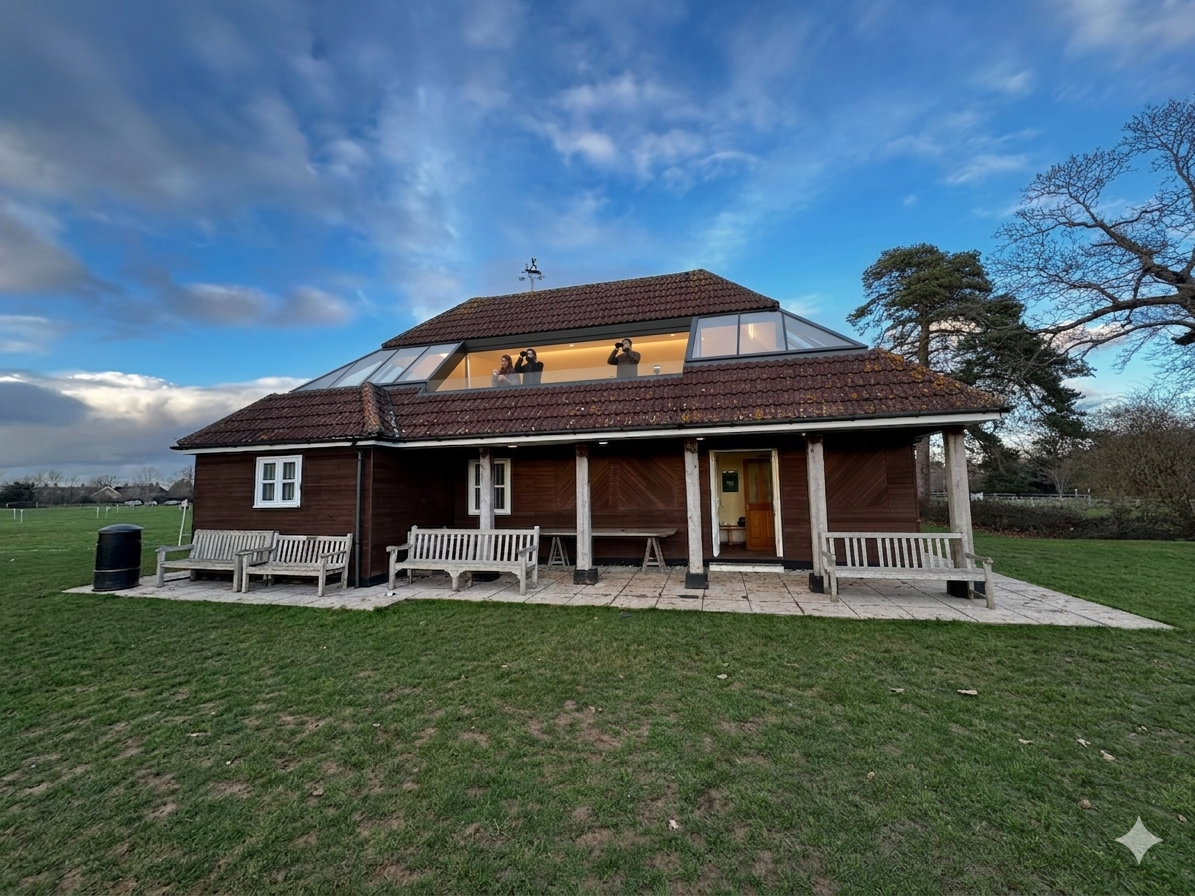
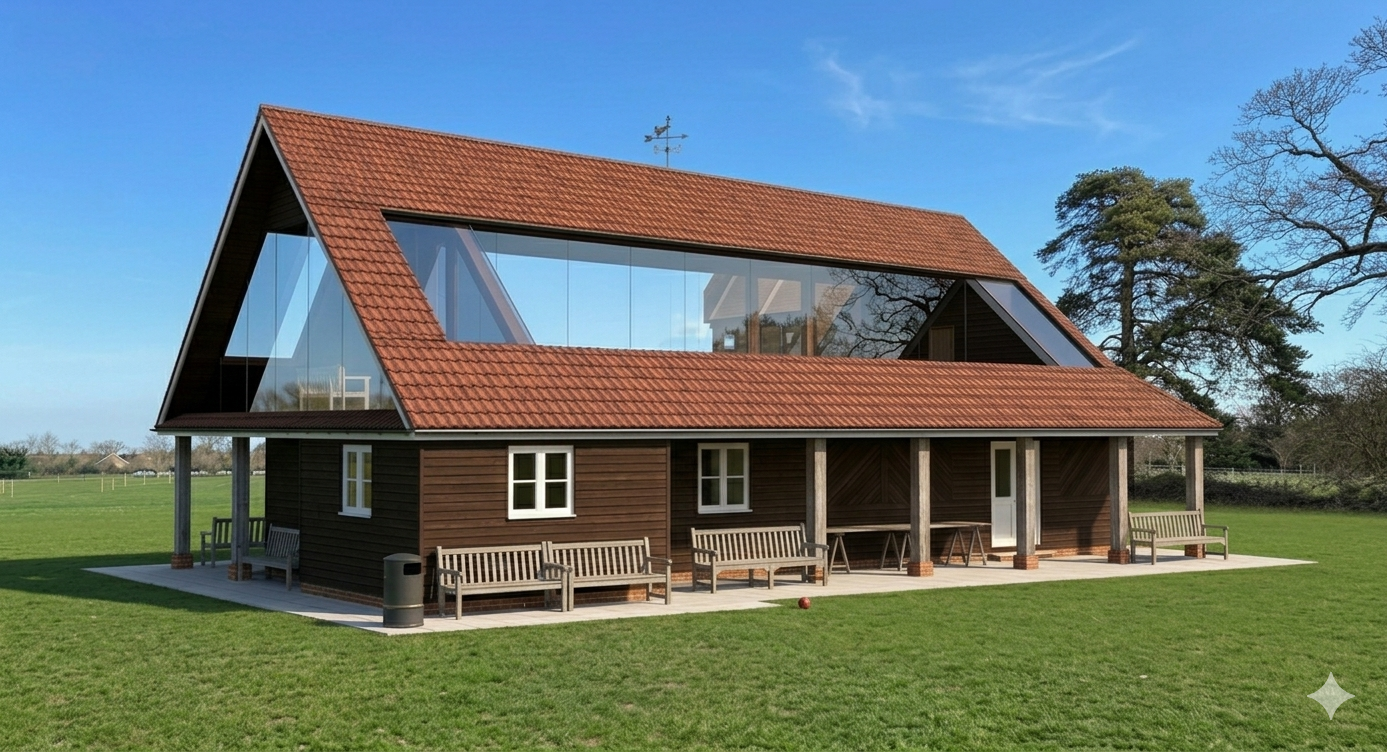
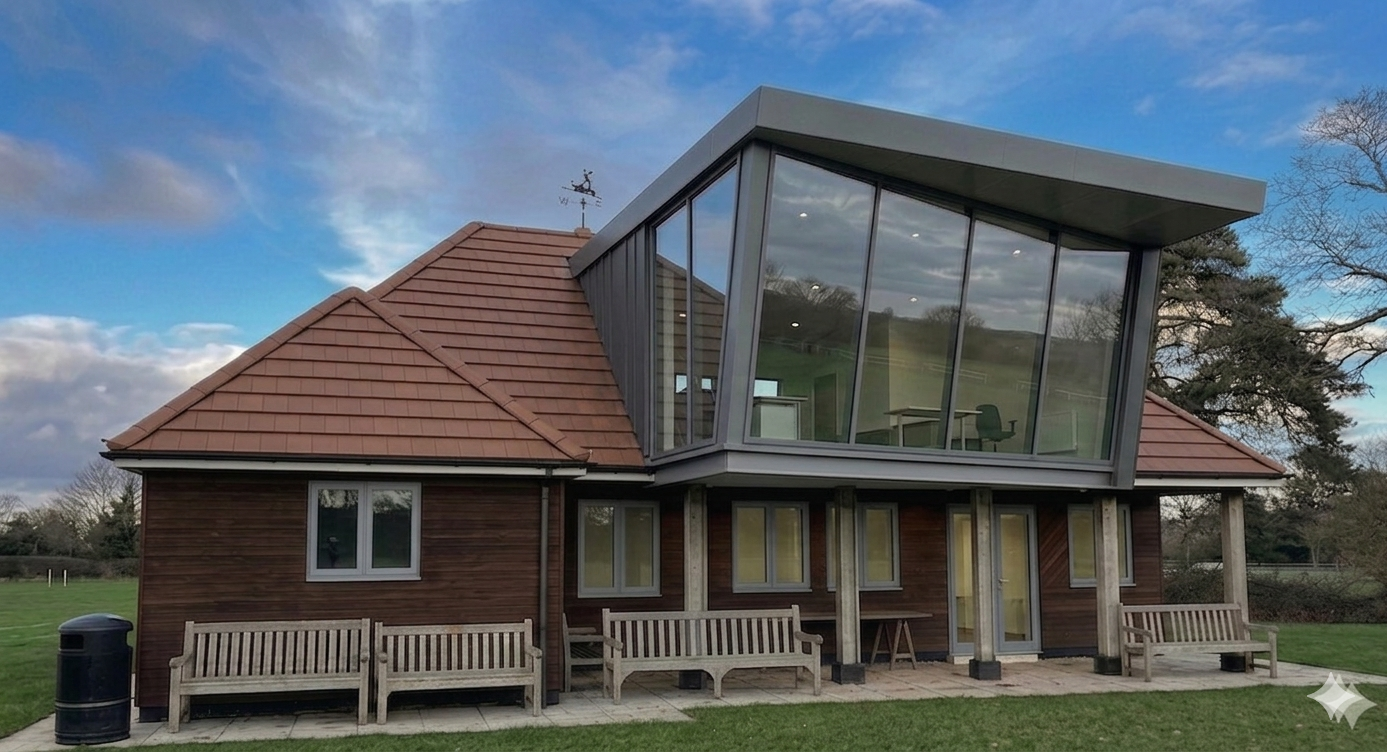
Images: all ai-generated from our School Pavilion project 

Most people only work with an architect once or twice in their lives — often at important moments like extending a home or starting a self-build. It can be exciting, but also confusing. Drawings, regulations and technical language can make the process feel distant and difficult to navigate.

RIBA Berkshire is trying to change that.


This year, it is launching a programme of evening talks and building visits designed to bring architects and the public together — opening up the design process and making it more accessible, understandable and engaging.


Open to both professionals and non-architects, these events aim to demystify what architects actually do and explore how better collaboration from the outset can lead to stronger outcomes.


One of the committee members helping to shape the programme is a Senior Associate Architect at Artichoke. His involvement reflects a broader focus within the practice on clear communication, client engagement and innovation in the design process.


Opening Up the Conversation


For many people, working with an architect involves making big decisions about space, cost and long-term value — often without the tools or language to fully express what they want.


These events aim to bridge that gap.


By creating informal and accessible settings, they give people the chance to ask questions, explore ideas and better understand how architects think and work. The focus isn’t just on finished buildings, but on the process — how ideas develop, how constraints are managed and how collaboration shapes better results.

This reflects a wider shift in architecture toward greater transparency and client involvement.


Artichoke have always placed a huge emphasis on guiding clients through the design journey rather than simply delivering a product. The key being that good communication improves how clients understand what is going on, which reduces misunderstanding, improves trust and hence reduces their anxieties. And this is a large part of what the RIBA are trying to do.


Talks and Building Visits


The programme includes both talks and building visits, showcasing the breadth of contemporary practice.


Building visits allow people to experience projects first-hand, while talks explore topics such as sustainability, changing client expectations and new technologies. Importantly, these are open to the public — reinforcing the idea that architecture benefits from a wider conversation.


Exploring New Possibilities Through Technology


The first talk focuses on the role of artificial intelligence in early-stage design.


One of the biggest challenges for clients is translating ideas into something visual. AI-assisted tools are beginning to help bridge that gap, allowing architects to generate early imagery from simple prompts, sketches or photographs.


These are not final designs, but tools to support conversation — helping clients react, refine their ideas and build a clearer brief from the outset.


At Artichoke, this approach is already being used on live projects. On a current scheme for a small sports pavilion set within open playing fields, the key design driver is simple but important: how the building allows spectators to see the games happening around it.


The client was initially unsure whether to pursue a more straightforward, budget-led solution or to invest a little more in something more aspirational. Using AI-generated visuals, we were able to quickly explore both directions — testing ideas around form, openness, and how views out from the pavilion could be framed.


AI doesn’t design the building, but it helps move the conversation forward. With an understanding of the client, the site, and the structural possibilities, we can guide the prompts to generate useful, realistic imagery. This allows clients to react to something tangible early on, making decisions with more confidence and clarity.


For architects, technology enhances — rather than replaces — traditional skills. The goal remains the same: thoughtful design, clearly communicated.

The Role of the Architect Today


The programme also addresses common misconceptions about technology. AI is sometimes seen as a threat to creativity, but in practice it is simply another tool — supporting architects in interpreting ideas and responding to client needs.


By discussing these topics openly, RIBA Berkshire is helping to build a clearer understanding of what architects do today and how they add value throughout the design process.


Learning Through Shared Experience


A key strength of the programme is the exchange it creates.


Architects benefit from explaining their work more clearly, while the public gains insight into the complexity behind design decisions. This reinforces architecture as a collaborative process shaped by dialogue between clients, designers, consultants and planners.


Looking Ahead


RIBA Berkshire’s programme is a step toward making architecture more open and accessible.


By inviting people into the conversation earlier, it helps build trust, improve understanding and ultimately lead to better, more thoughtful design.

Because when clients and architects engage openly from the start, the results are almost always stronger — and more meaningful for everyone involved.
By Chris Dale March 3, 2026
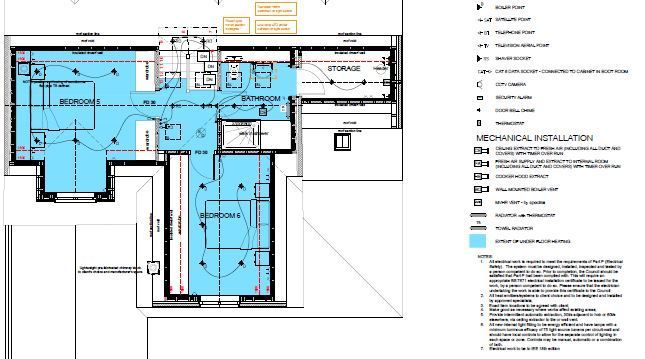
At Artichoke, we don’t push our services and for some projects, Building Regulations information is enough, where the client has both experience and a competent builder. Sadly, sometimes we get that call from a client after things have gone wrong. Recently, a lovely client of ours generously agreed to share her experience of undertaking a “relatively simple” extension without: • Detailed production drawings • A formal tender process • A proper building contract • An architect acting as Contract Administrator Her story isn’t about blaming anyone. It’s about process - and why it matters. Q&A Q: What made you decide not to appoint an architect to manage the build? Client: We felt it was a straightforward project — kitchen extension, some internal changes. We thought we could save money by not having full architectural drawings or someone overseeing the build weekly. The builder seemed confident and experienced and had been recommended. Looking back, we underestimated how complex even a “simple” project becomes once work starts and just how many things there are to actually tie up. Q: When did you first feel something wasn’t quite right? Client: Delays started early. Windows were months late. The skylight was boarded over for weeks. The house was insecure at times. But what really concerned us was when we started reviewing the finish — we realised it wasn’t just snagging. There were things unfinished, incorrectly installed, or potentially unsafe. Q: What kinds of issues arose? Client: There were dozens: • Appliances not secured properly • Sink only held in place with silicone • Hob extracting into a cabinet and wall cavity • Boiler flue incorrectly fitted • Faulty air admittance valve (not compliant with Building Regulations) • Cladding not finished properly • Drainage incomplete • Roof drain missing • Skylight not installed There were also safety and security concerns — the house left open, heating turned off without notice, keys left accessible. What we thought would be a short snagging list became a long schedule of incomplete and unacceptable work. Where Process Would Have Helped 1. Detailed Production Information Without full construction drawings: • Appliance housing dimensions weren’t properly coordinated • Extract ventilation routes weren’t clearly defined • Drainage details weren’t fully resolved • Cladding interfaces lacked clarity • Boiler clearances weren’t formally checked Production drawings remove ambiguity. They define responsibility. They reduce interpretation on site. When drawings are light, site decisions fill the gap – and those decisions aren’t always coordinated – or compliant.
By Chris Dale December 1, 2025
This marks a huge milestone in what has been one of the most exciting, challenging, and rewarding projects our practice has ever worked on. An Opportunity and a Privilege When we were first approached by Step Property almost five years ago, it was immediately clear that Manor Farm was a once-in-a-career project — a historic farmstead with five Grade II listed buildings, a sensitive Conservation Area setting, Green Belt & flood plain constraints, a struggling commercial yard and collapsing historic buildings that all urgently needed a coherent long-term vision and a strategy to achieve that. To be entrusted with leading the design and coordination of such a significant site has been a genuine privilege, one which we have not taken lightly.
By Chris Dale November 3, 2025
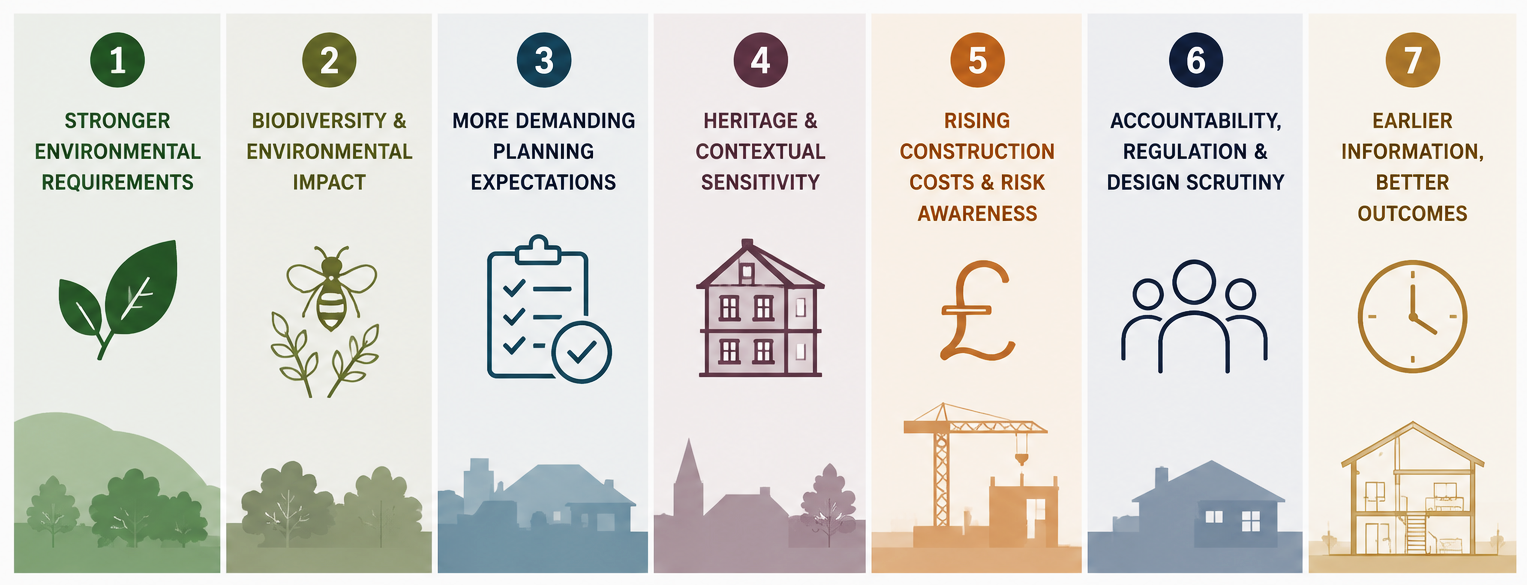
Across the UK, many homeowners and small developers are pausing their plans. Construction costs are at record highs, planning requirements have become more complex, and professional fees are also increasing, so even a seemingly simple home extension or redevelopment is much more of a risk. Possibly the greatest concern we hear is – “What if we spend thousands of pounds only to find out it’s not even possible?” That’s exactly why we created the Kickstarter Package — our fixed-fee feasibility study that helps you to make informed decisions at a nominal cost in comparison to house purchases and developments. What is the Kickstarter Package? The Kickstarter Package is a design-led feasibility consultation that explores the planning, budget and design potential of your property. For a modest, fixed fee (from £750 excl. VAT), our experienced architects help you understand whether your ideas are likely to be achievable, affordable, and aligned with current planning policy — saving time, stress and money later on. You’ll receive clear answers to the key questions every homeowner faces: Is planning permission likely to be granted? What might the project cost? How long could it take? What could it look like? What’s Included — and Why It Matters Each element of the Kickstarter Package offers exceptional value compared with typical early-stage architectural or consultant fees. 1. Initial Consultation and Site Visit We start with a detailed discussion about your goals & requirements — from extending your home to redeveloping a site or purchasing a property. Then we visit the site to review opportunities and constraints in person. This early visit often uncovers crucial planning, drainage or design issues before you spend thousands on detailed drawings.
By Chris Dale September 30, 2025
For many families, extending or renovating their home has long been the dream solution — more space, a better layout, and a home that works for modern life. But in today’s climate, with projects in the £100,000–£300,000 range, things feel a lot more challenging. So what’s changed, why is it harder, and how can you still make your project work? The Main Challenges • Planning is getting pricier – application fees are higher, and councils are demanding more specialist reports (heritage, ecology, flood risk, transport, sustainability). • Build costs keep rising – materials and labour are much more expensive than even a few years ago. • Tougher regulations – stricter building rules on energy efficiency, fire safety and accessibility add extra costs. • Financing is harder – borrowing is still more expensive than it was pre-2022. • Trades are stretched – good builders and subcontractors are in high demand, pushing prices and timescales up. • Delays and uncertainty – planning decisions are taking longer, especially in sensitive areas like the Green Belt, Conservation Areas or with listed buildings. • Budgets are squeezed – with the cost of living rising, homeowners are weighing up whether extending or simply moving makes more sense.
By Chris Dale September 3, 2025
1. Tell us a little about Mark Taylor Design — how did it start, and what defines your approach to bespoke interiors and kitchens? Mark Taylor Design was set up 29 years ago. I was trained in both furniture production and management and was also a keen designer. I had completed an MBA and wanted to apply all these skills to build a business, doing something I loved. I have always believed that you can design beautiful furniture and rooms without imposing a specific ‘look’. The company has built its reputation on listening to the ideas and desires of clients. We then help to steer their vision through space design, interior expertise and craft skills. What people have at the end of their design and build journey is their vision made beautiful – rather than ours. 2. What makes a truly successful kitchen or interior design in your view — and how do you balance aesthetics with day-to-day functionality? There is nothing quite like the beauty of bespoke. Having something created to your specifications is arguably the epitome of modern luxury. Bespoke is most commonly used to refer to hand-made suits and shoes. Now the concept has become much more sought after within the world of interiors and design – with bespoke kitchens leading the way. And it’s not too hard to understand why. Bespoke means not having to compromise - getting exactly what you want and how you want it. It also allows you to unleash your imagination and embrace your creativity. The end result is a room that is crafted, in every way, to embrace your lifestyle and personal taste. Importantly, by incorporating some elements of bespoke furniture into a custom made kitchen it’s possible to give people a unique room without breaking the bank. This could be a bespoke island or dresser for instance. By combining bespoke and custom made you can optimise the space so that the end result flows smoothly and looks amazing too. 3. How do you typically collaborate with architects on a project? What makes those relationships work well? Collaboration early on always helps. We ask architects not only about style and budget but also about the client’s favoured ways of working. Ideally, we like to meet the clients with the architect from the outset. Where this isn’t possible, we at least aim for a walk round the space or a chat through all the plans – even for the areas we might not be designing for, as this gives us a more comprehensive understanding of the clients’ vision.
By Chris Dale August 19, 2025
It’s summer holiday season — and as clients return from coastal cottages, mountain cabins, or sun-drenched villas, one theme keeps coming up: “How can I bring this feeling home?” That sense of ease, simplicity, and quiet joy isn’t just about being away—it’s about how those spaces are designed. At Artichoke: Architectural Consultancy, we help clients capture that same serenity in their everyday environments, with thoughtful design that’s tailored to how they live. Restful spaces aren’t created by chance. They’re the result of purposeful decisions—about layout, light, flow, and function. And often, it’s the small, well-considered changes that make the biggest difference. With decades of experience navigating UK planning, building regulations, and complex design briefs, we know how to deliver spaces that feel effortless, yet are deeply intentional. A calming home doesn’t need to be minimalist or expensive—it needs to be clear. That might mean reconfiguring a hallway to reduce visual clutter, introducing built-in storage to keep surfaces free, or designing a garden connection that invites you to step outside. These aren’t grand gestures—they’re subtle shifts that support a more peaceful way of living. Previously, on projects such as Halfacre (pictured below) we have found that storage, in particular, plays a quiet but very powerful role. When clutter is tucked away with care, rooms feel lighter, more spacious, and more welcoming. We design storage that’s integrated, intuitive, and tailored to your lifestyle — so your home supports simplicity without sacrificing function.