
Why Not to Choose the Cheapest Subcontractor
Chris Dale • June 11, 2021
They lure you in with a cheaper quote, but here's why the price could end up being the same - or even more expensive - if you choose a cheaper subcontractor (not to mention the additional headaches).

A tale as old as time itself: You have a project on site and have provisional sums in for various items, such as glazing. The contractor gets a perfectly good figure from a subcontractor they have used 100 times before and knows they are reliable and will do a good job - but they are not the cheapest.
"That’s too much", says the client, "He just isn’t trying. I can get it much cheaper than that."
At that point, the builder and Architect groan; they are only too aware of the world of pain that’s coming next.
Things are normally cheaper for a reason
Apart from the obvious, which is the possibility of a reduced quality of product, there are lots of troublesome things that make a quote cheaper and are repeated time and time again on projects:
- They want to use the builders scaffolding for free. Er no. A builder won't let an unknown subcontractor use their scaffolding for insurance reasons. They need to either supply their own or the client has to take that under their own remit (not advised), which equals extra cost.
- The delivery and installation are separate: The builder is expected to supply to labour to unload and store the materials again for a subcontractor they don’t know (an extra). Or, the truck turns up for the client to receive it and no one is on site as they weren’t told. The client suddenly realises that he has to unload a rooflight singlehandedly as it isn’t the drivers job. Yes, this has happened. Builders do a lot of coordination and its not a headache I would recommend the client takes on.
- The goods are being shipped from Outer Mongolia as they are cheaper to produce there. Well, watch that install date move 50 times over. Bye-bye project programme.
- The install teams are not directly employed by the company, which reduces their overheads. Again, watch those install dates move repeatedly as they can’t get an installer in busy times.
- They don’t include lots of things: The builder automatically checks that certain things like opening prep, survey, window boards etc. are included - a client doesn’t. Watch that figure climb.
- They want to use the builders skip for free - nope. They will then need to provide their own skip which is either an extra or you may struggle on site with space.
- They want to use the site facilities for free.
- Impact on project programme: An unreliable subcontractor that you got on the cheap holds up project programmes. The builder can fold their arms and basically say that the delay isn’t their fault and the clients subcontractor is holding them up.
- Damage on site: If a builder takes responsibility for a subcontractor they take responsibility for any accidental damage too - and it does sometimes happen. Otherwise, if plasterwork or fascias, for example, are damaged by a subcontractor on an install they just point at each other and say the other did it, which is unhelpful for writing defects lists!
- They have no follow up services: Sometimes things go wrong for a whole array of reasons. You need a subcontractor that will come back and put things right if something goes wrong, not that will disappear over the horizon.
More often than not, if a client takes the cheaper option the overall cost is either the same or more. Builders and architects choose subcontractors for a reason and its never just to annoy a client or because they are not trying very hard.
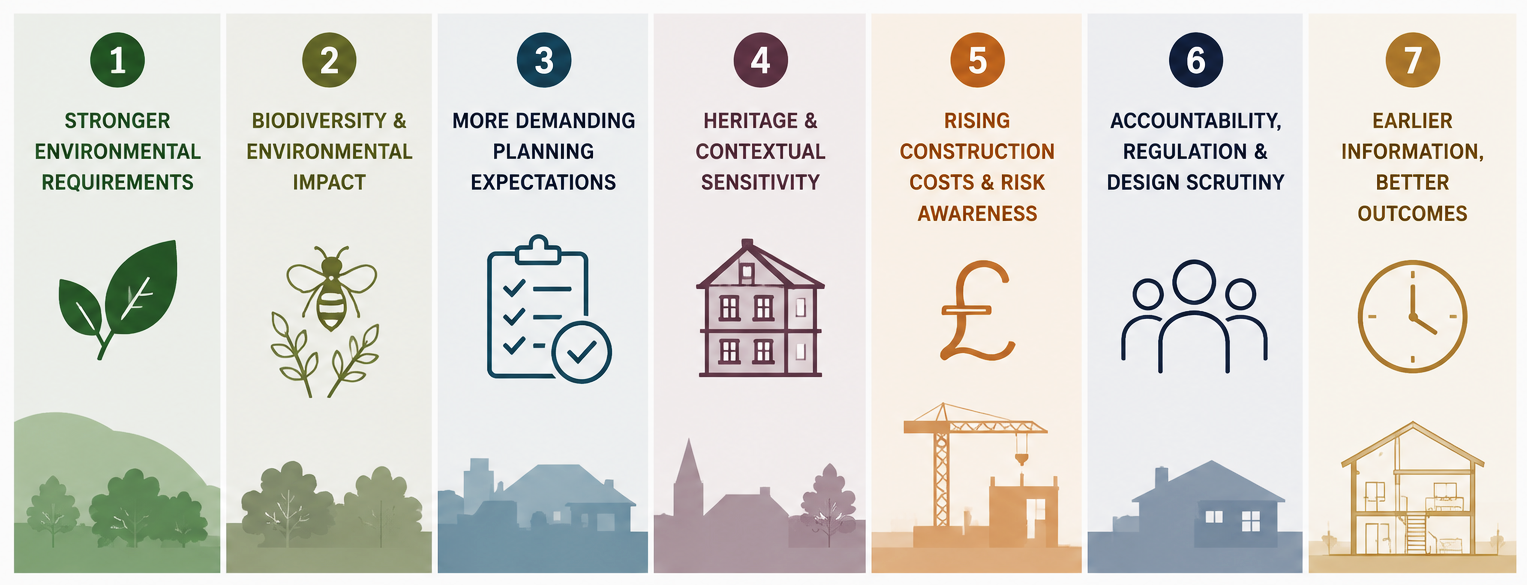
Why Residential Architecture Has Become More Complex in 2026
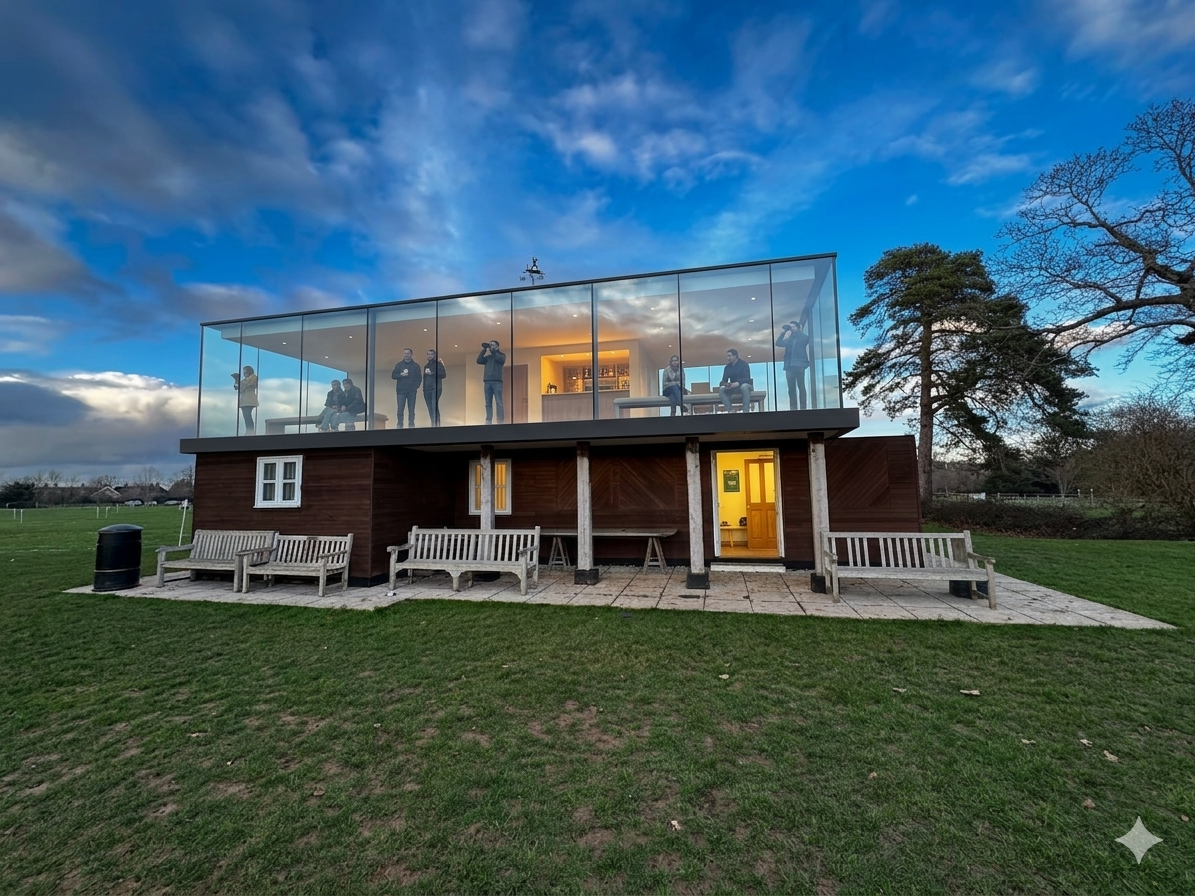
Images: all ai-generated from our School Pavilion project
At Artichoke, we don’t push our services and for some projects, Building Regulations information is enough, where the client has both experience and a competent builder. Sadly, sometimes we get that call from a client after things have gone wrong. Recently, a lovely client of ours generously agreed to share her experience of undertaking a “relatively simple” extension without: • Detailed production drawings • A formal tender process • A proper building contract • An architect acting as Contract Administrator Her story isn’t about blaming anyone. It’s about process - and why it matters. Q&A Q: What made you decide not to appoint an architect to manage the build? Client: We felt it was a straightforward project — kitchen extension, some internal changes. We thought we could save money by not having full architectural drawings or someone overseeing the build weekly. The builder seemed confident and experienced and had been recommended. Looking back, we underestimated how complex even a “simple” project becomes once work starts and just how many things there are to actually tie up. Q: When did you first feel something wasn’t quite right? Client: Delays started early. Windows were months late. The skylight was boarded over for weeks. The house was insecure at times. But what really concerned us was when we started reviewing the finish — we realised it wasn’t just snagging. There were things unfinished, incorrectly installed, or potentially unsafe. Q: What kinds of issues arose? Client: There were dozens: • Appliances not secured properly • Sink only held in place with silicone • Hob extracting into a cabinet and wall cavity • Boiler flue incorrectly fitted • Faulty air admittance valve (not compliant with Building Regulations) • Cladding not finished properly • Drainage incomplete • Roof drain missing • Skylight not installed There were also safety and security concerns — the house left open, heating turned off without notice, keys left accessible. What we thought would be a short snagging list became a long schedule of incomplete and unacceptable work. Where Process Would Have Helped 1. Detailed Production Information Without full construction drawings: • Appliance housing dimensions weren’t properly coordinated • Extract ventilation routes weren’t clearly defined • Drainage details weren’t fully resolved • Cladding interfaces lacked clarity • Boiler clearances weren’t formally checked Production drawings remove ambiguity. They define responsibility. They reduce interpretation on site. When drawings are light, site decisions fill the gap – and those decisions aren’t always coordinated – or compliant.
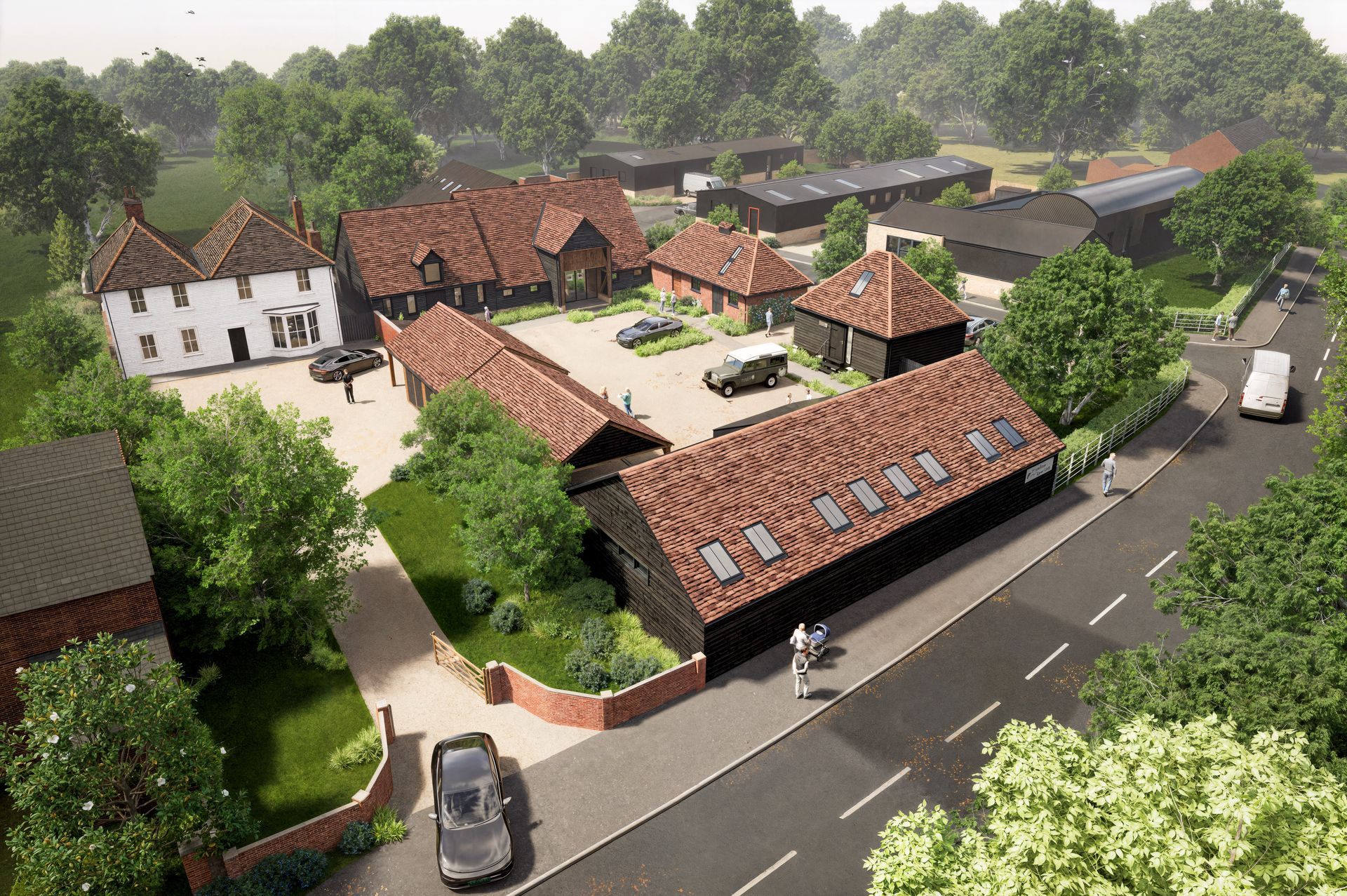
This marks a huge milestone in what has been one of the most exciting, challenging, and rewarding projects our practice has ever worked on. An Opportunity and a Privilege When we were first approached by Step Property almost five years ago, it was immediately clear that Manor Farm was a once-in-a-career project — a historic farmstead with five Grade II listed buildings, a sensitive Conservation Area setting, Green Belt & flood plain constraints, a struggling commercial yard and collapsing historic buildings that all urgently needed a coherent long-term vision and a strategy to achieve that. To be entrusted with leading the design and coordination of such a significant site has been a genuine privilege, one which we have not taken lightly.
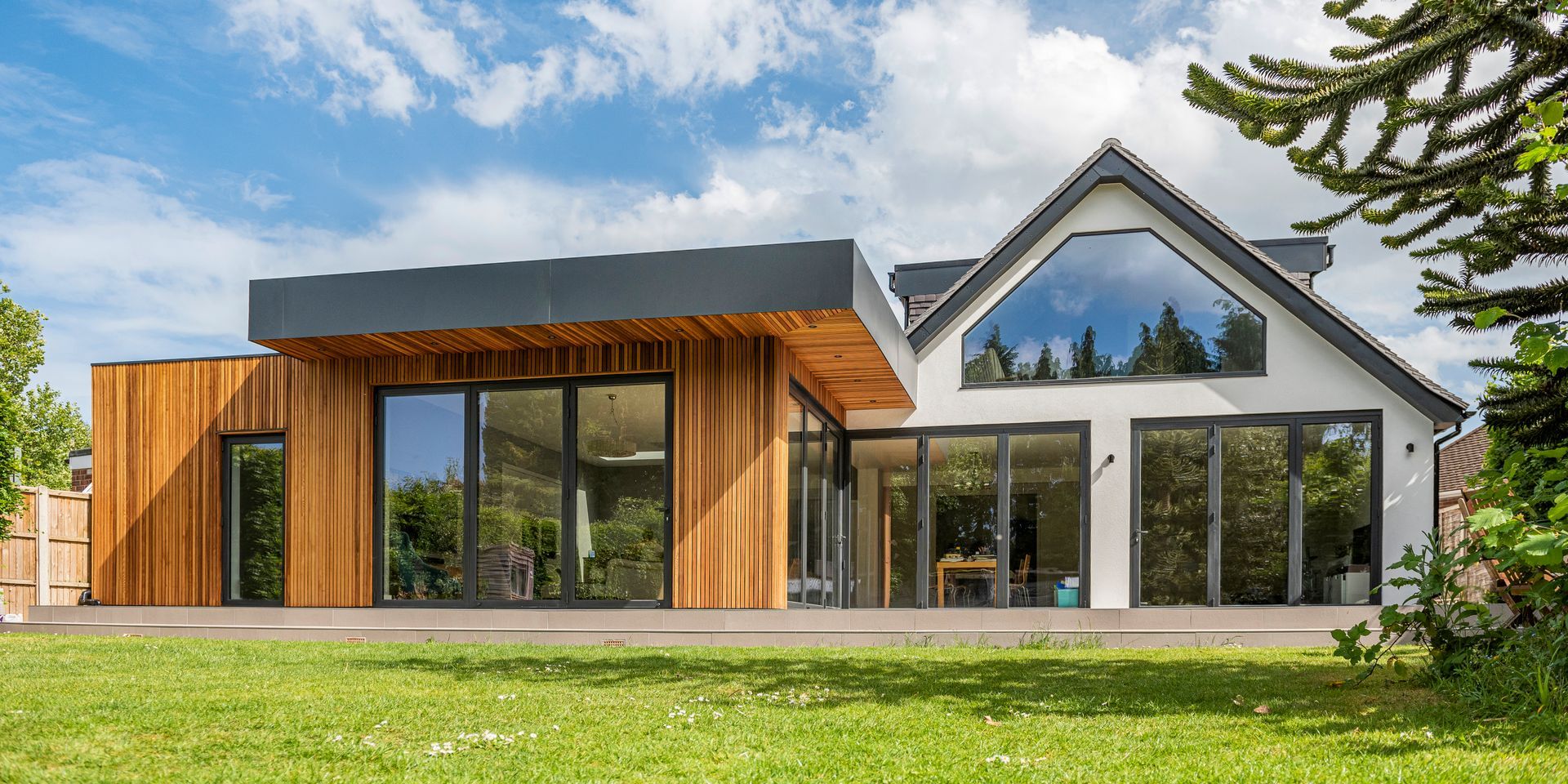
Across the UK, many homeowners and small developers are pausing their plans. Construction costs are at record highs, planning requirements have become more complex, and professional fees are also increasing, so even a seemingly simple home extension or redevelopment is much more of a risk. Possibly the greatest concern we hear is – “What if we spend thousands of pounds only to find out it’s not even possible?” That’s exactly why we created the Kickstarter Package — our fixed-fee feasibility study that helps you to make informed decisions at a nominal cost in comparison to house purchases and developments. What is the Kickstarter Package? The Kickstarter Package is a design-led feasibility consultation that explores the planning, budget and design potential of your property. For a modest, fixed fee (from £750 excl. VAT), our experienced architects help you understand whether your ideas are likely to be achievable, affordable, and aligned with current planning policy — saving time, stress and money later on. You’ll receive clear answers to the key questions every homeowner faces: Is planning permission likely to be granted? What might the project cost? How long could it take? What could it look like? What’s Included — and Why It Matters Each element of the Kickstarter Package offers exceptional value compared with typical early-stage architectural or consultant fees. 1. Initial Consultation and Site Visit We start with a detailed discussion about your goals & requirements — from extending your home to redeveloping a site or purchasing a property. Then we visit the site to review opportunities and constraints in person. This early visit often uncovers crucial planning, drainage or design issues before you spend thousands on detailed drawings.
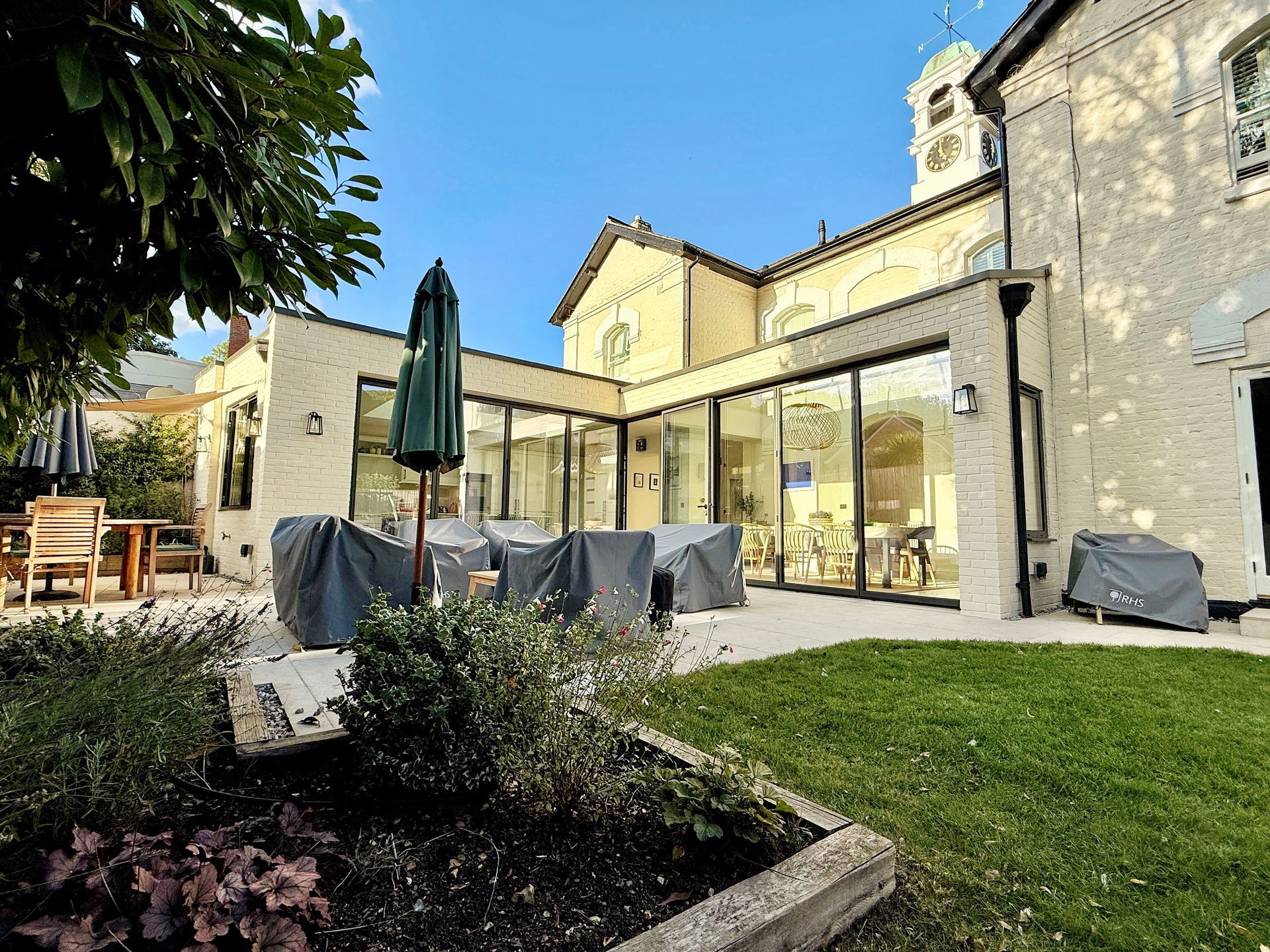
For many families, extending or renovating their home has long been the dream solution — more space, a better layout, and a home that works for modern life. But in today’s climate, with projects in the £100,000–£300,000 range, things feel a lot more challenging. So what’s changed, why is it harder, and how can you still make your project work? The Main Challenges • Planning is getting pricier – application fees are higher, and councils are demanding more specialist reports (heritage, ecology, flood risk, transport, sustainability). • Build costs keep rising – materials and labour are much more expensive than even a few years ago. • Tougher regulations – stricter building rules on energy efficiency, fire safety and accessibility add extra costs. • Financing is harder – borrowing is still more expensive than it was pre-2022. • Trades are stretched – good builders and subcontractors are in high demand, pushing prices and timescales up. • Delays and uncertainty – planning decisions are taking longer, especially in sensitive areas like the Green Belt, Conservation Areas or with listed buildings. • Budgets are squeezed – with the cost of living rising, homeowners are weighing up whether extending or simply moving makes more sense.