Why Residential Architecture Has Become More Complex in 2026 and What Can We Do To Help You?
Why Residential Architecture Has Become More Complex in 2026
If you are planning a home extension, renovation, or new build in 2026, you may already have noticed that the process feels more complex than it used to be. What once might have been a relatively straightforward planning application and construction process now involves more reports, more coordination, and more early-stage decisions.
This is not because design or construction has become unnecessarily bureaucratic (although it has a bit!). It reflects a broader shift in expectations around housing: how homes perform, how they sit within their surroundings, and how decisions are evidenced and coordinated ultimately for the benefit of the home owner and the housing stock.
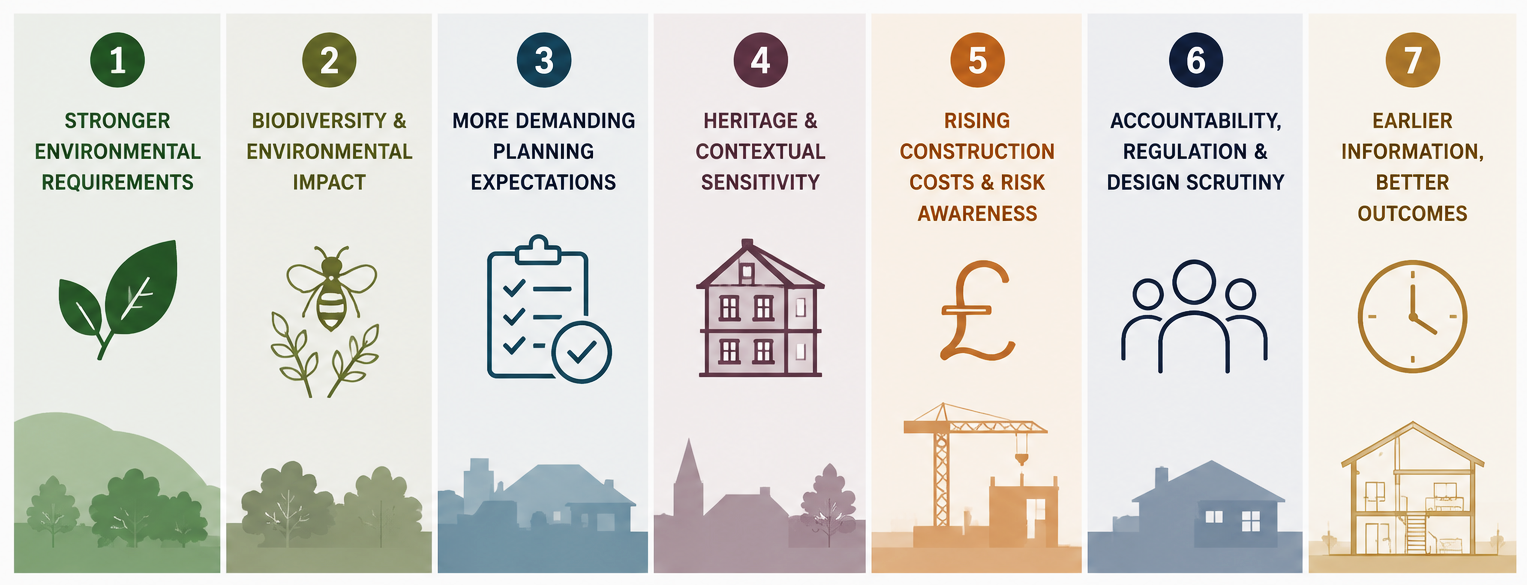
Residential architecture today is shaped by more information, more regulation, and more interconnected requirements than in the past. The sections below outline the main drivers behind this change.
1. Stronger Environmental Requirements
Environmental performance has become a central part of residential design, particularly through evolving Building Regulations.
Energy efficiency and carbon reduction:
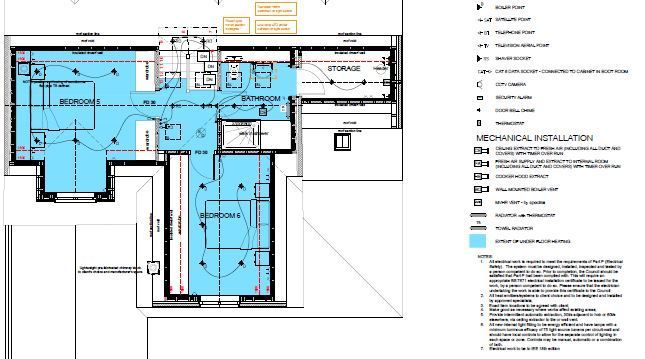
Standards around energy use (Part L in England and Wales) continue to tighten. Homes are now expected to reduce operational carbon through better insulation, improved building fabric, and more efficient heating systems.
This affects early design decisions such as:
- Construction build-ups and insulation strategies
- Glazing performance and solar control
- Heating systems and low-carbon technologies
- Airtightness and ventilation approaches
Overheating risk:
Designs must also now address overheating risk. As homes become more airtight and summers warmer, ensuring comfort without mechanical cooling has become an important part of the design process.
How does this benefit you?
Your home will be more energy efficient, cheaper to run, and more comfortable year-round. It also future-proofs your property against rising energy costs and climate-related overheating risks.
How do we help?
We integrate environmental performance into the design from the earliest stages, testing construction methods, materials, and systems early so compliance and comfort are achieved without compromising design quality.
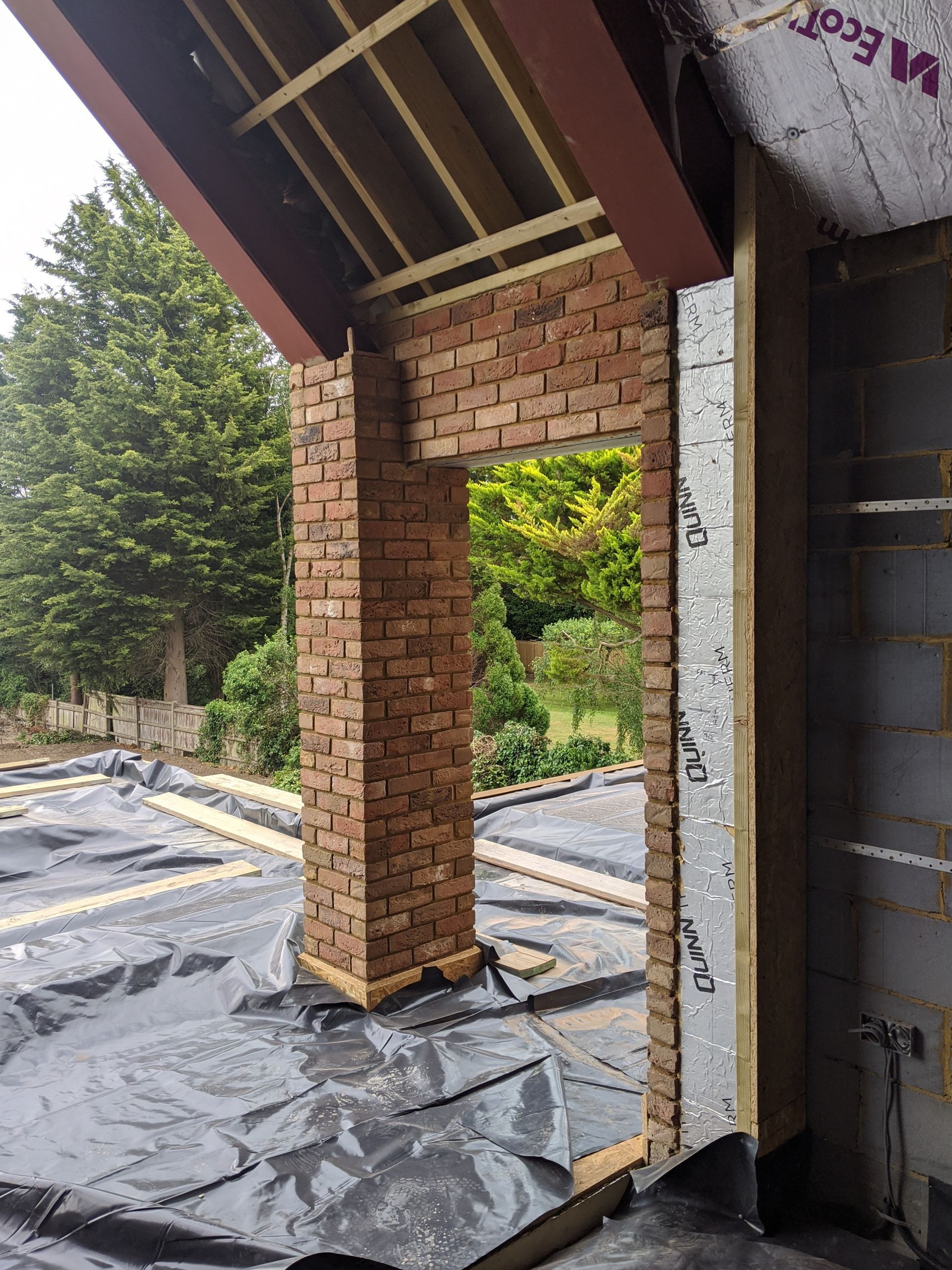
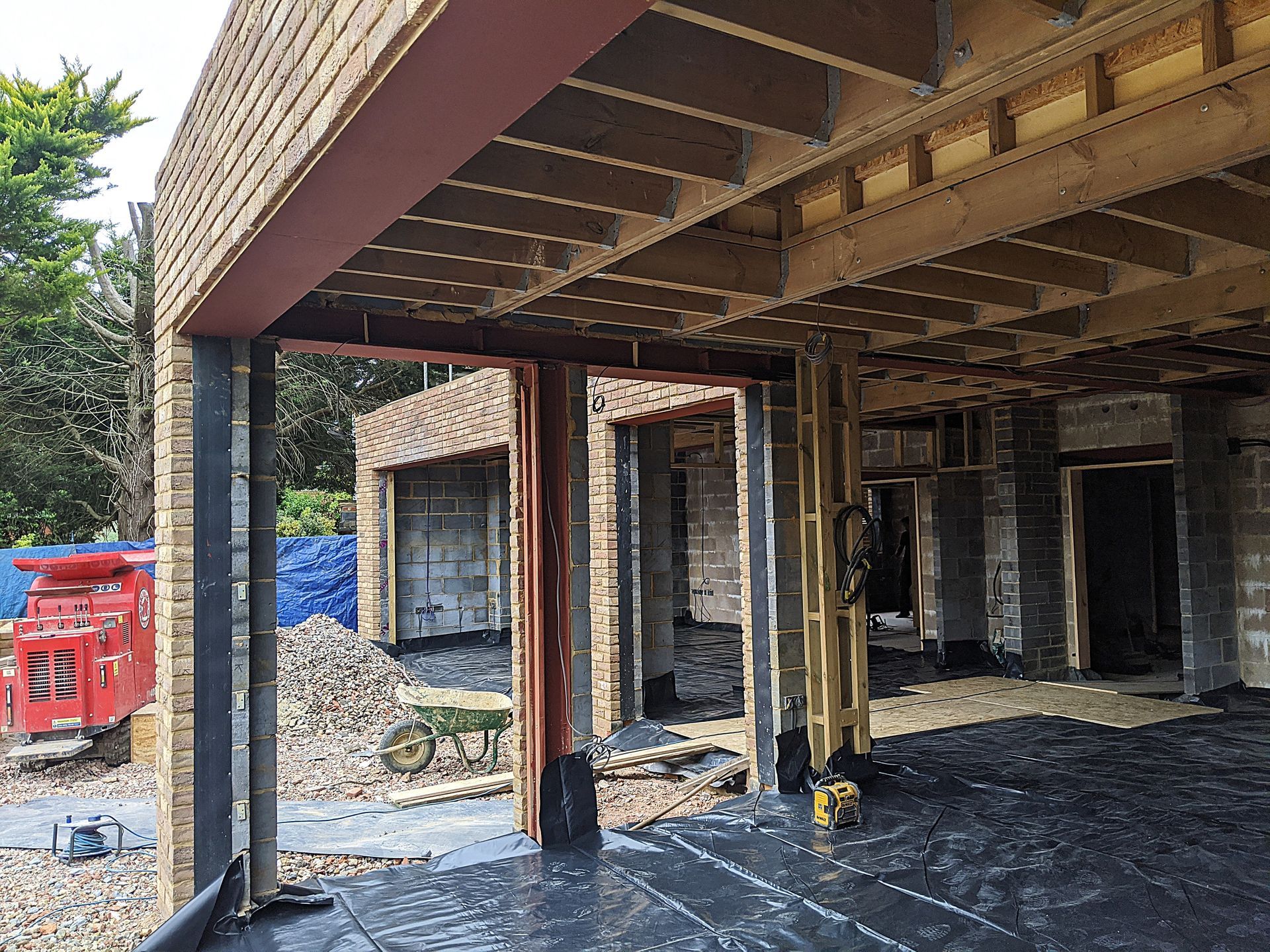
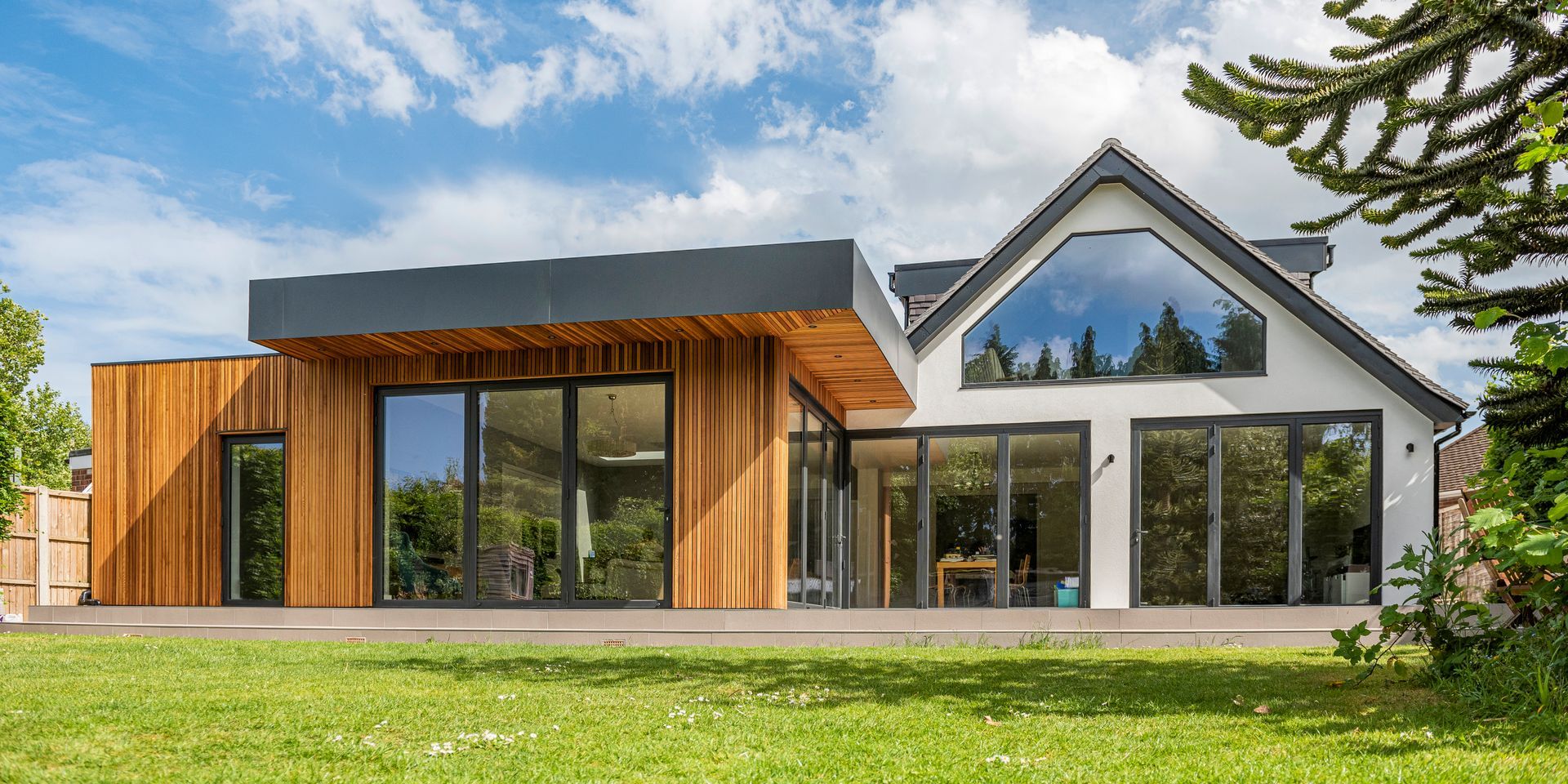
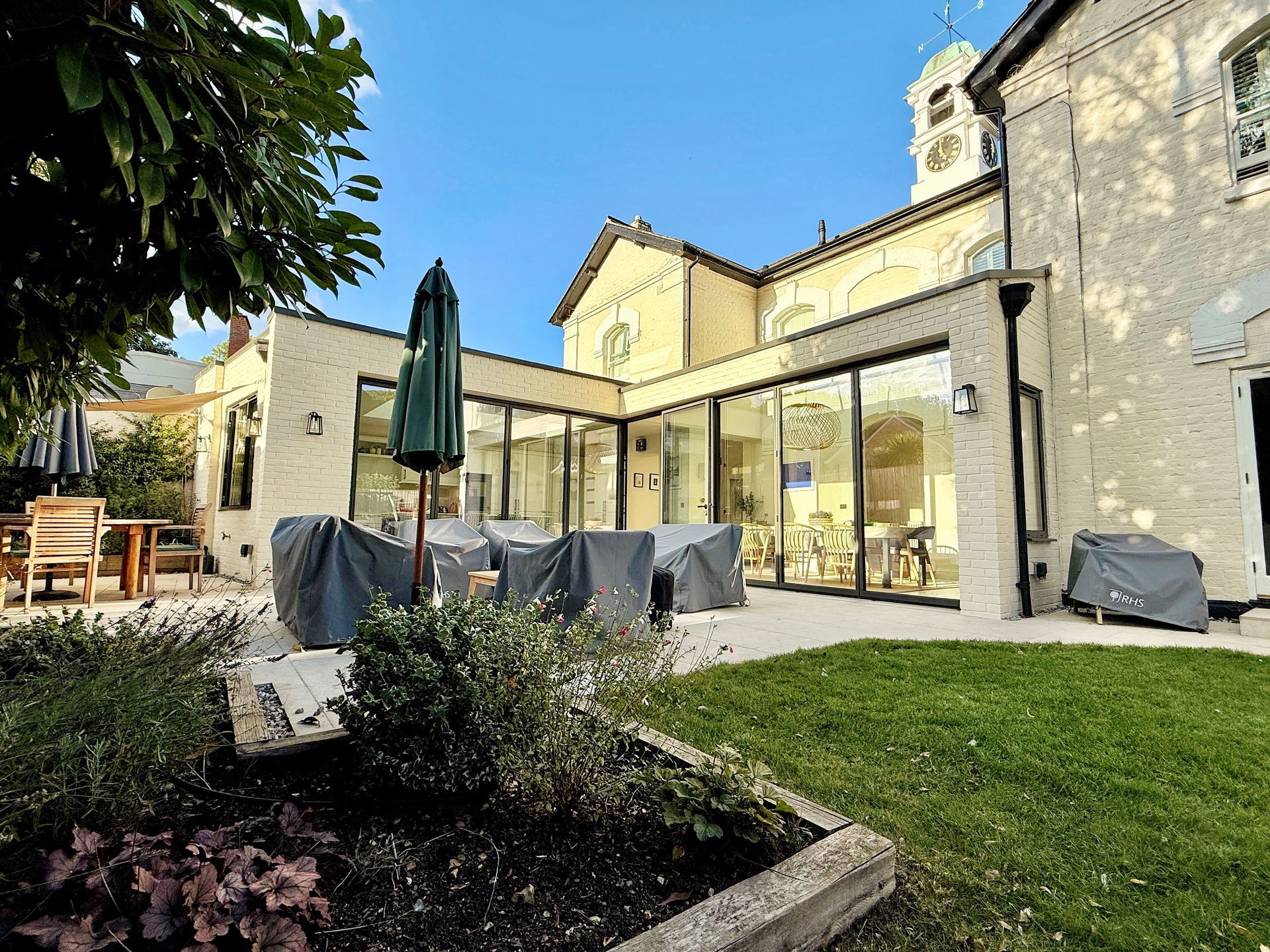
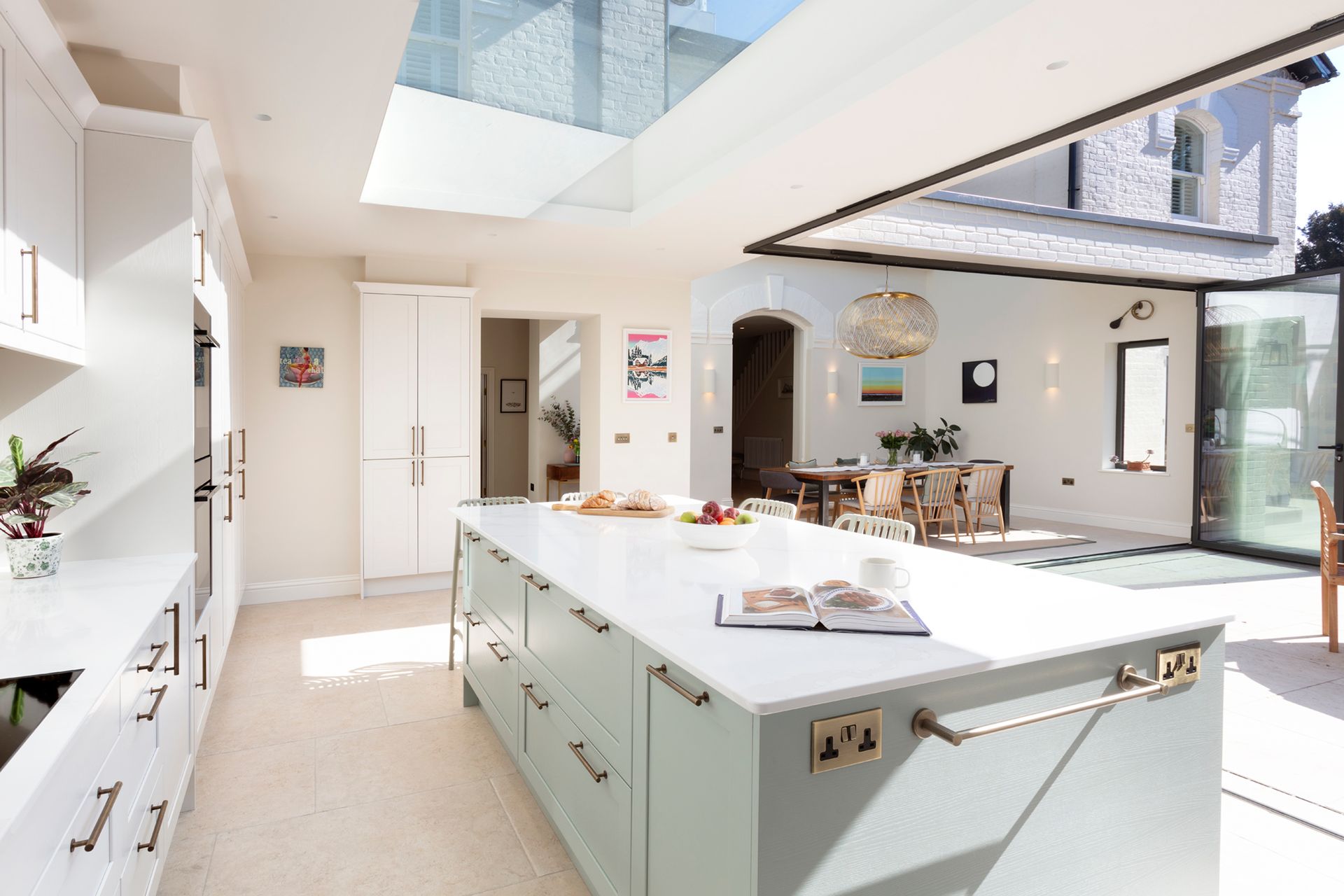
Project: Maiden Erlegh Drive, Reading
2. Biodiversity and Environmental Impact
A further layer of complexity comes from increased attention to ecological impact.
Under Biodiversity Net Gain (BNG) requirements, many developments must now demonstrate that they leave biodiversity in a measurably better condition than before development.
For residential schemes, this can involve:
- Early ecological surveys
- Assessment of existing habitats, including gardens
- Landscape design that supports biodiversity
- Off-site mitigation or offsetting where required
A key constraint in this process is the presence of protected species, particularly bats. Bat surveys are often required where potential roosting or foraging habitats exist, and these can significantly influence project timelines if not identified early. Surveys are typically seasonal, with the main survey window running from May to September. If this window is missed, projects can face delays until the following survey season, which may hold up design progression and planning submissions.
While environmentally positive, this adds early-stage inputs that previously were not part of most domestic projects.
How does this benefit you?
Your project contributes positively to the environment and local ecology, often improving the quality and long-term value of outdoor spaces and landscapes.
How do we help?
We identify ecological constraints early, coordinate surveys in advance, and integrate biodiversity strategies into the design so requirements are met efficiently without unnecessary delays.
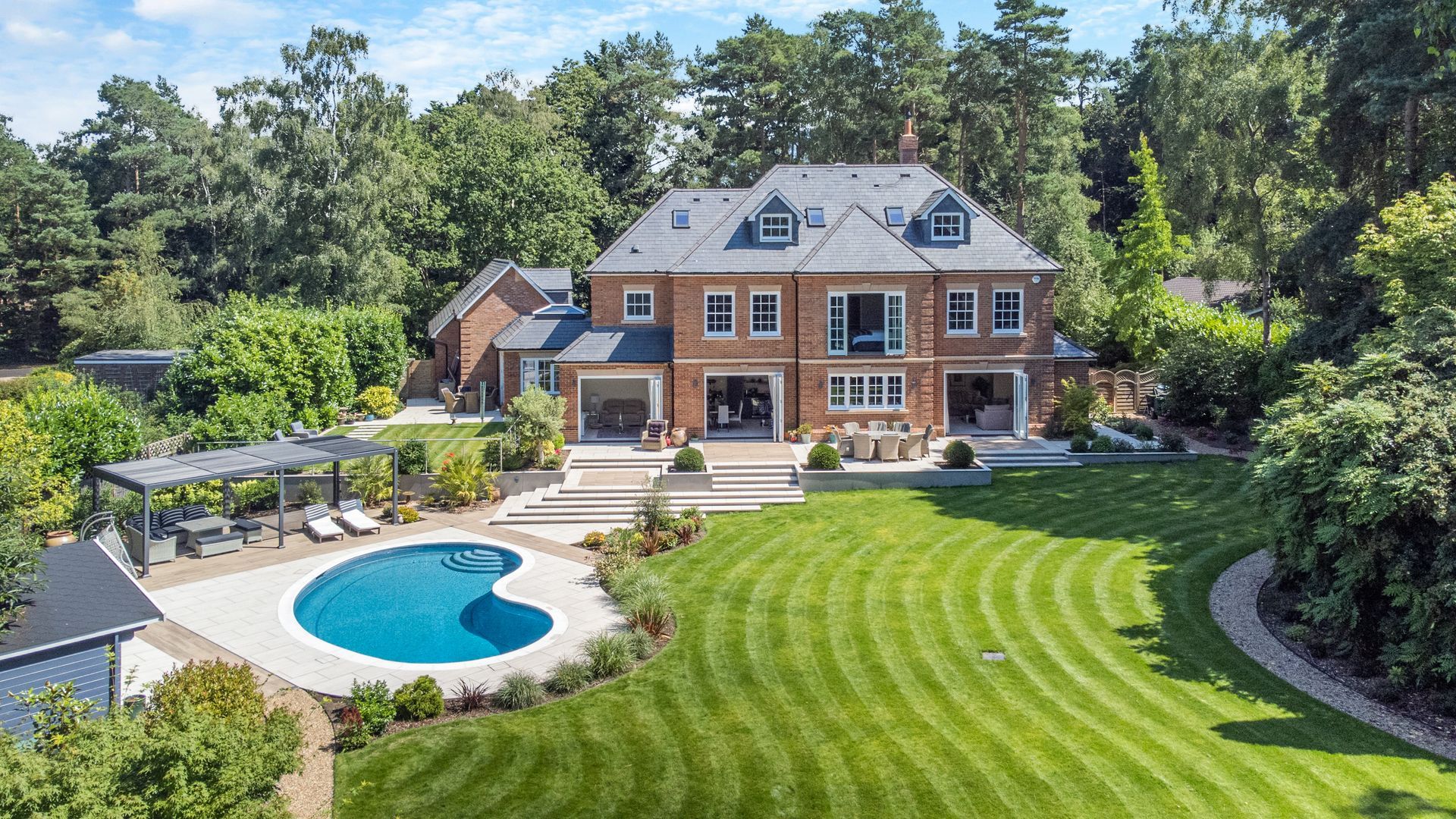
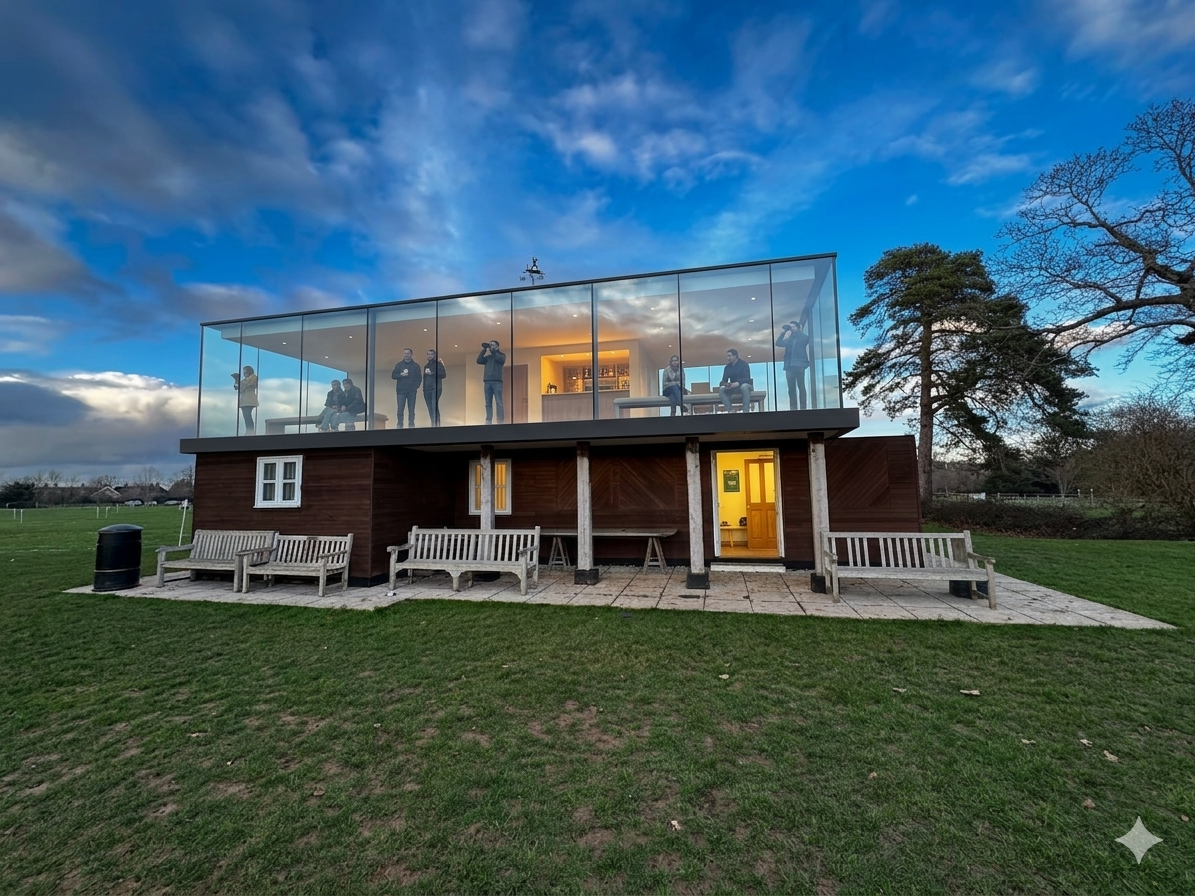
Project: Greenacres, Farnham
3. More Demanding Planning Expectations
Planning policy has become more detailed and evidence-driven, even for relatively small residential schemes.
Local authorities now assess proposals against a wider set of issues, including:
- Design quality and local character
- Heritage impact
- Flood risk and drainage
- Highways and access
- Trees and landscape impact
This often requires supporting documents such as design and access statements, heritage statements, flood risk assessments, or arboricultural reports. Applications are not necessarily harder to approve, but they must now be more thoroughly prepared and evidenced from the outset.
How does this benefit you?
This leads to better-designed developments that are more sensitive to their surroundings and more likely to achieve long-term planning success when properly prepared.
How do we help?
We prepare coordinated planning submissions with all required documentation, ensuring your proposal is robustly justified, clearly presented, and aligned with local policy expectations from the outset.
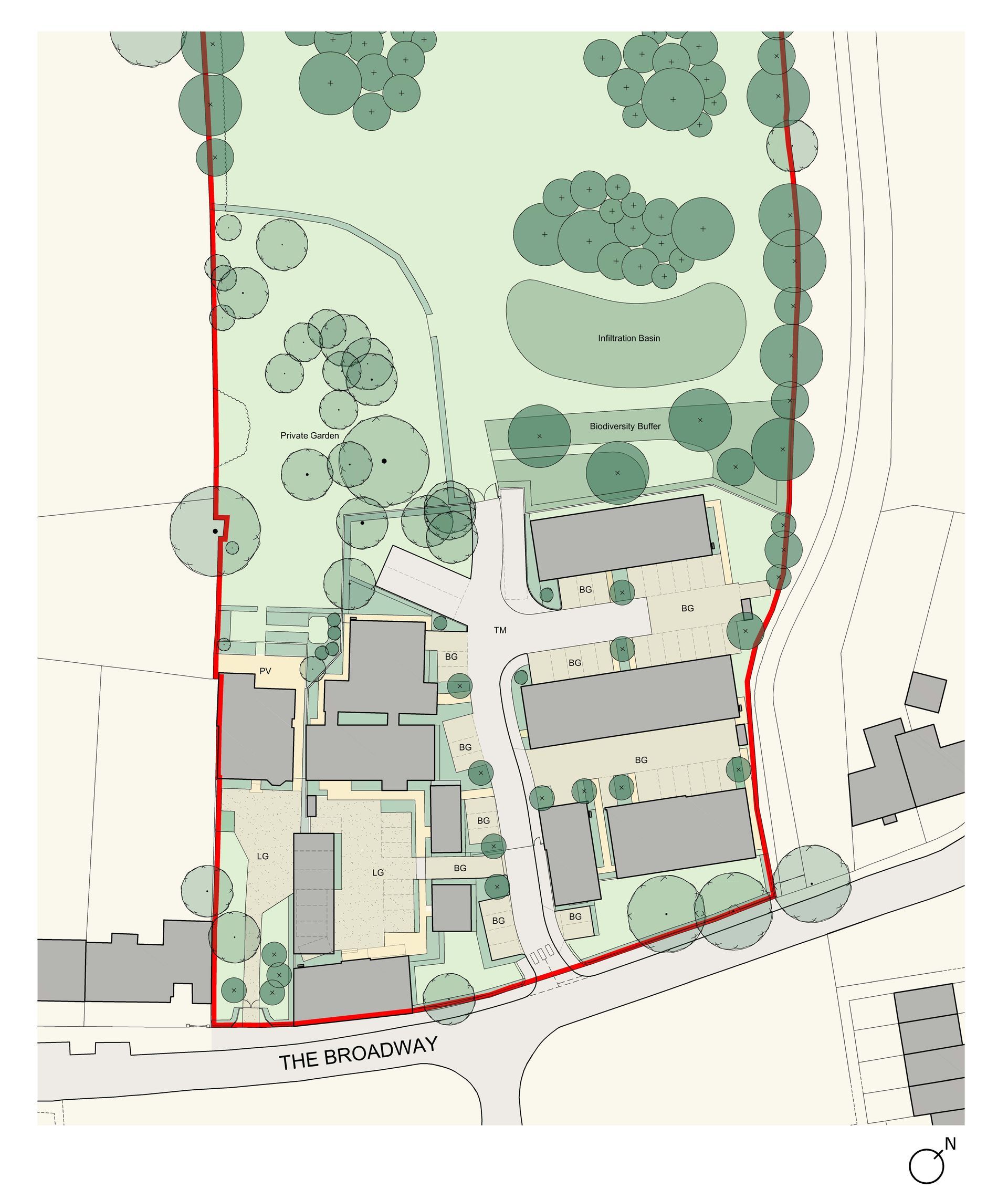
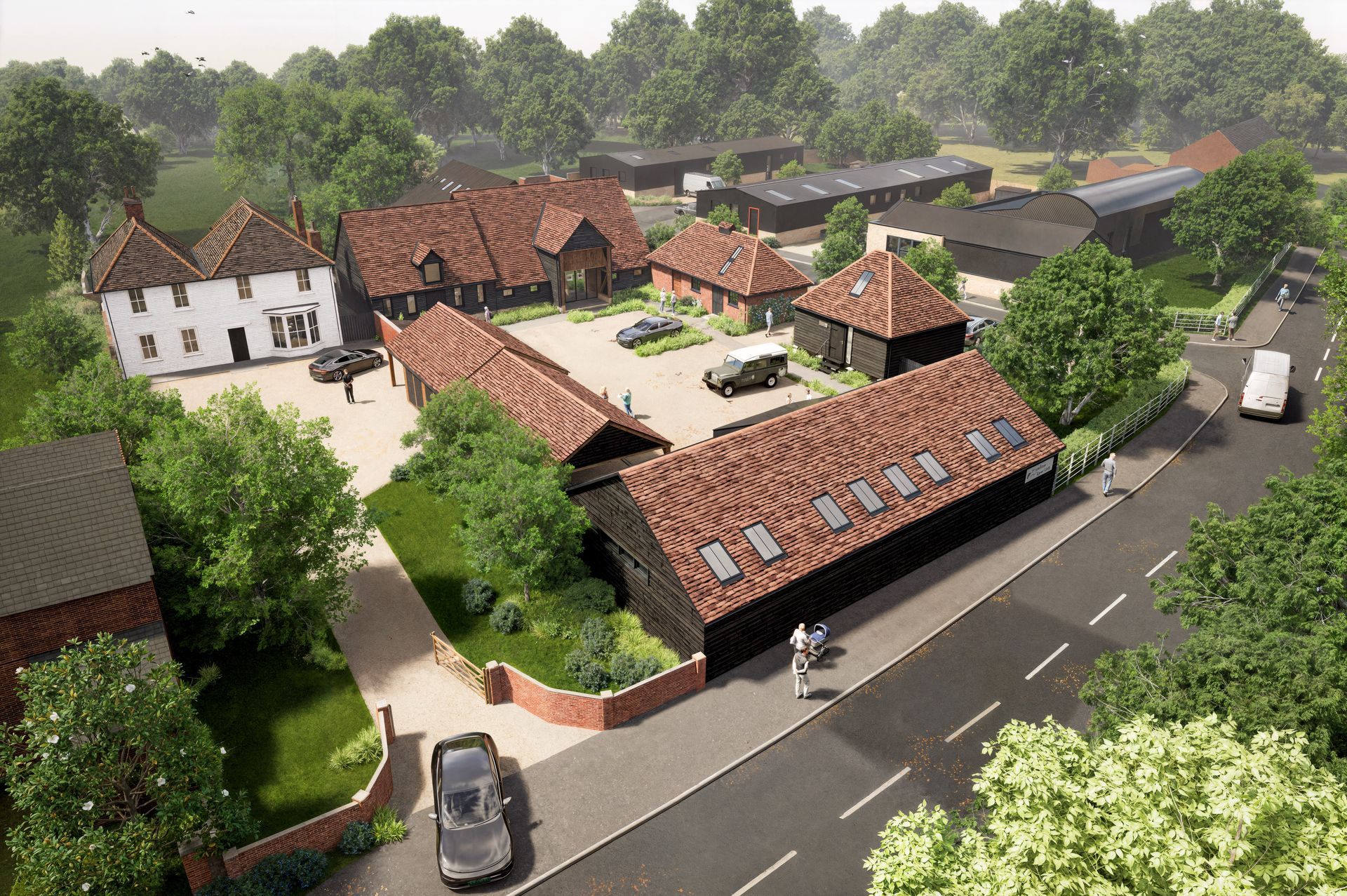
Project: Manor Farm, Laleham
4. Heritage and Contextual Sensitivity
In many areas of the UK, particularly historic towns and rural settings, there is greater emphasis on protecting character and context.
For homeowners this typically means:
- More scrutiny of alterations to existing buildings
- Stronger justification for design changes
- Careful consideration of materials and detailing
In listed buildings and conservation areas, even small interventions require a careful balance between modern living needs and historic significance. This makes early design dialogue with planning and conservation officers increasingly important.
How does this benefit you?
Heritage-focused design protects the character of your home and its surroundings, often enhancing long-term value and ensuring sensitive, high-quality outcomes.
How do we help?
We engage early with conservation and planning officers, developing design proposals that respect context while still achieving modern functionality and comfort.
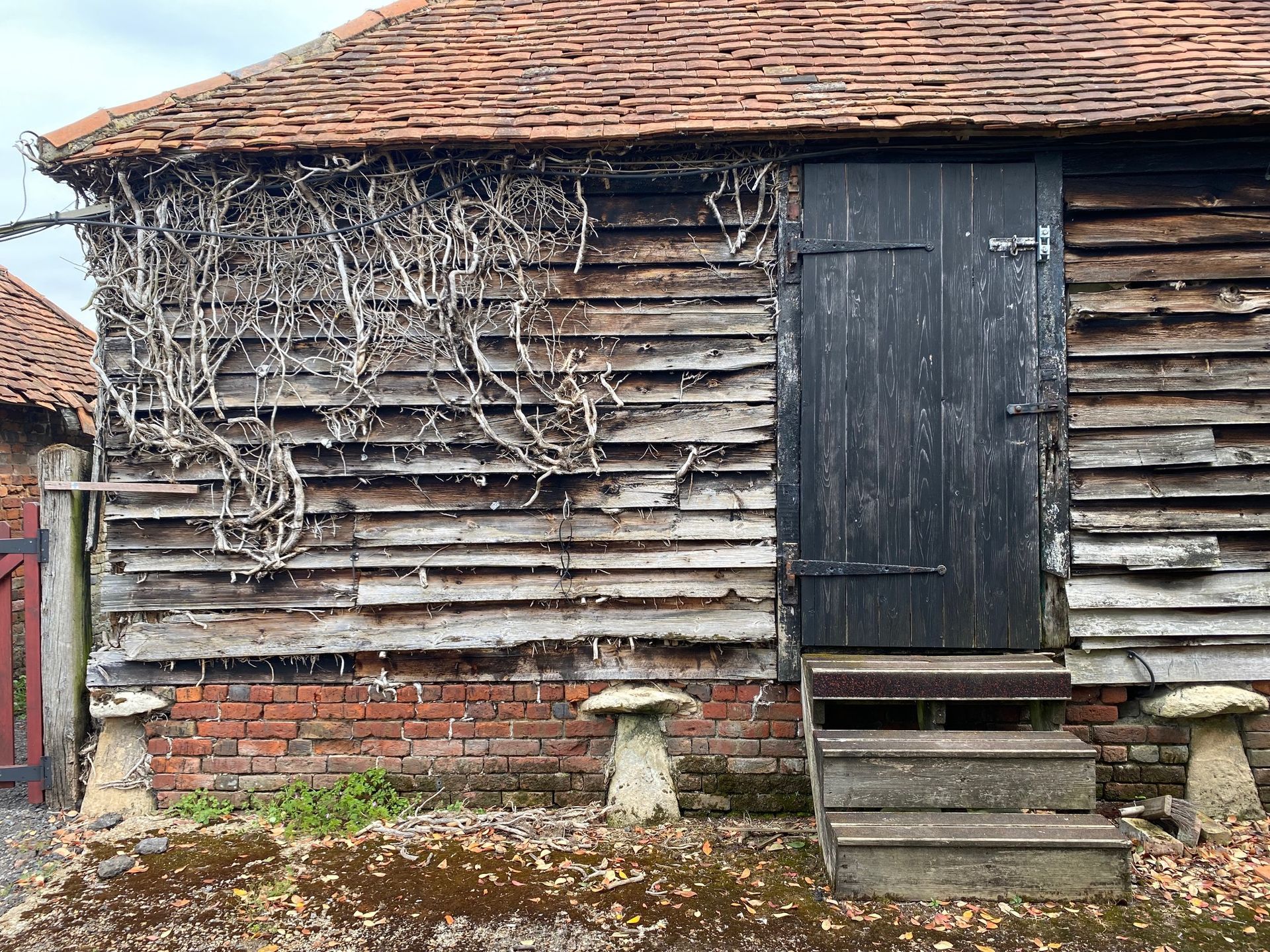
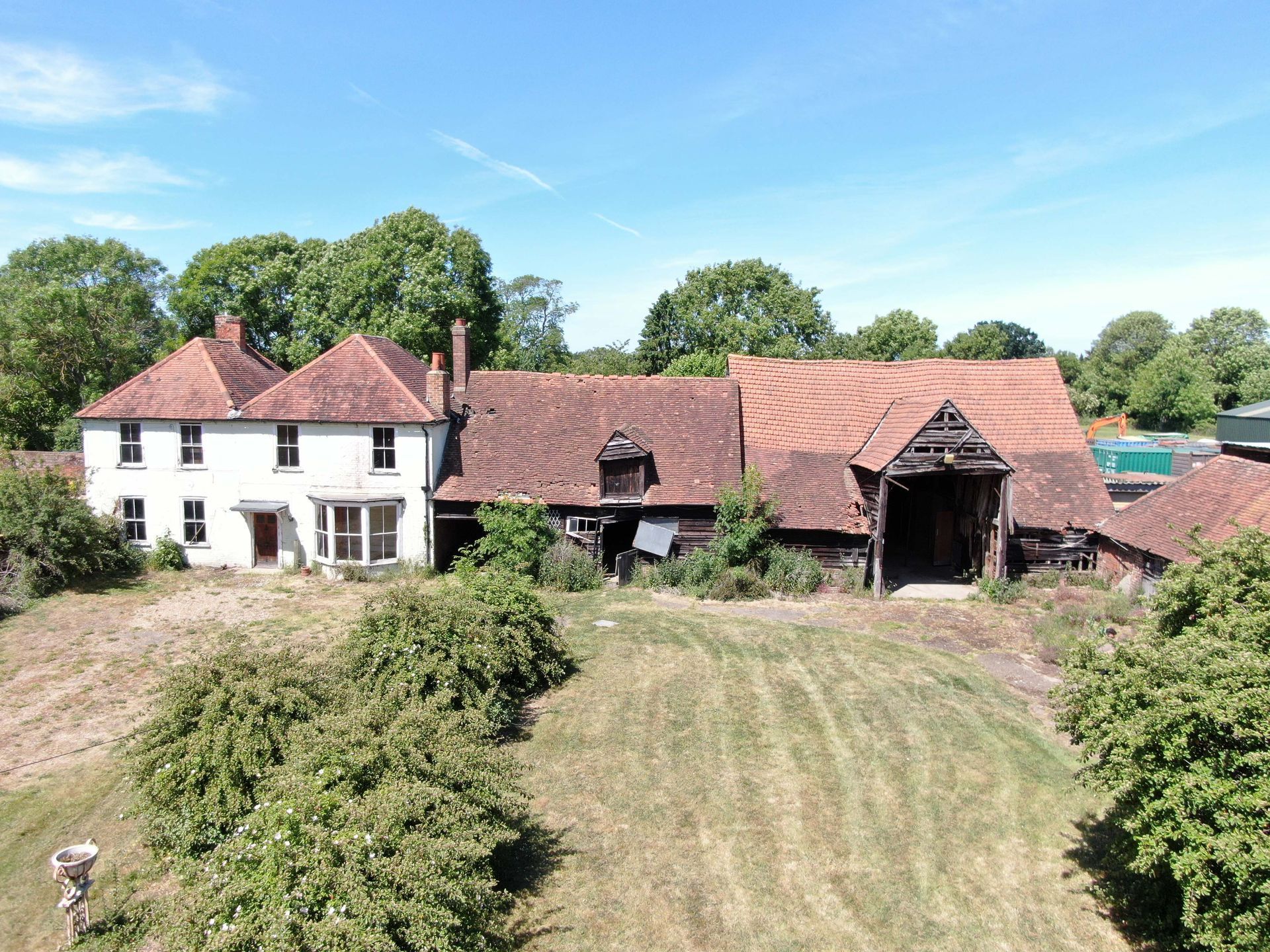
Project: Manor Farm, Laleham
5. Rising Construction Costs and Risk Awareness
Alongside regulation, rising construction costs have changed how projects are approached.
There is now a stronger focus on:
- Understanding costs earlier in the design process
- Reducing uncertainty during construction
- Ensuring designs are buildable within realistic budgets
This has increased the importance of more detailed design development before construction begins, and closer coordination between the design and construction team to reduce risk and avoid late-stage changes.
How does this benefit you?
You gain clearer cost certainty earlier, reducing the risk of unexpected expenses, delays, or design changes during construction.
How do we help?
We work closely with cost consultants and builders to test feasibility early, refining designs so they are both achievable and aligned with your budget before work begins on site.
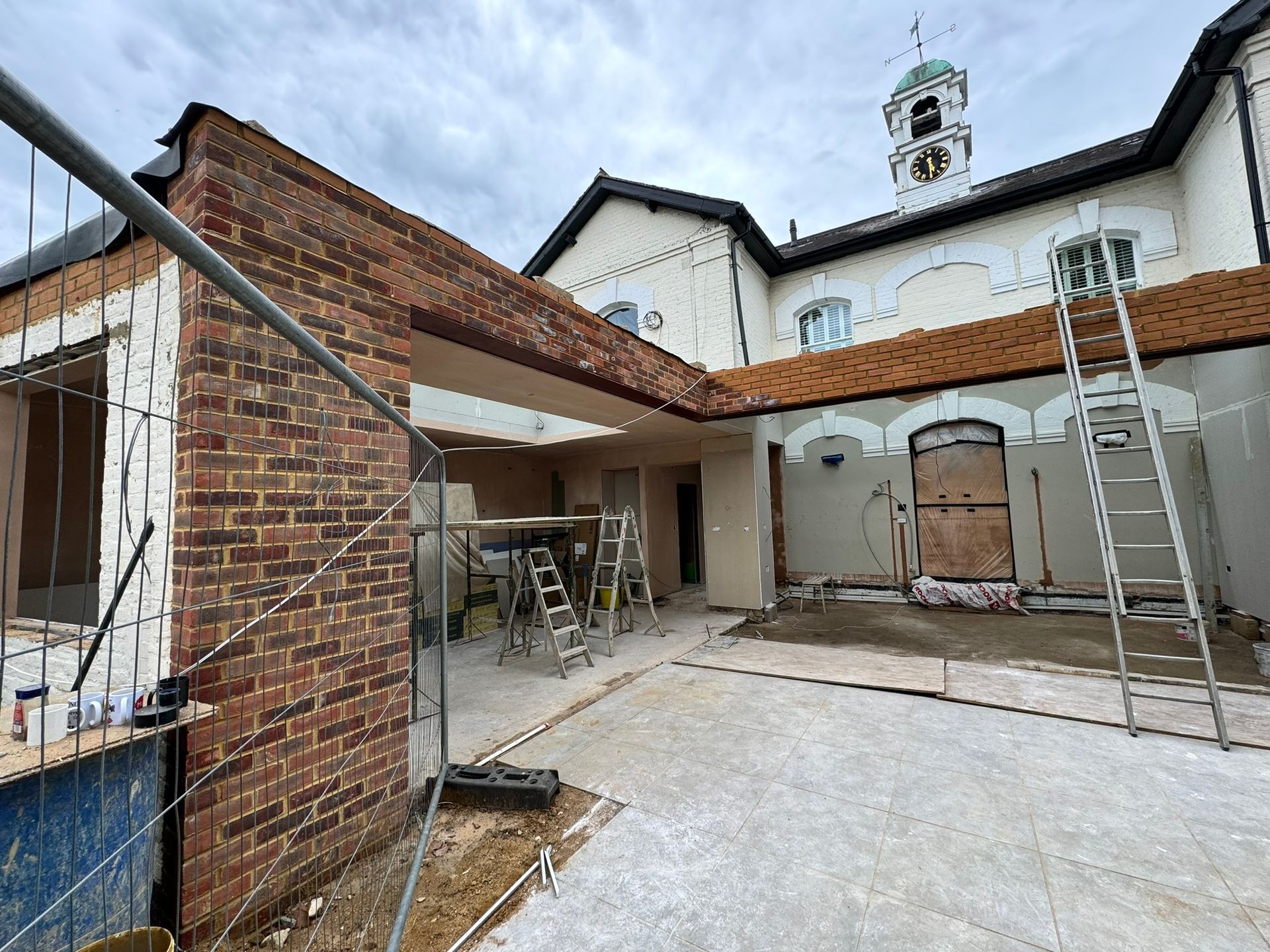
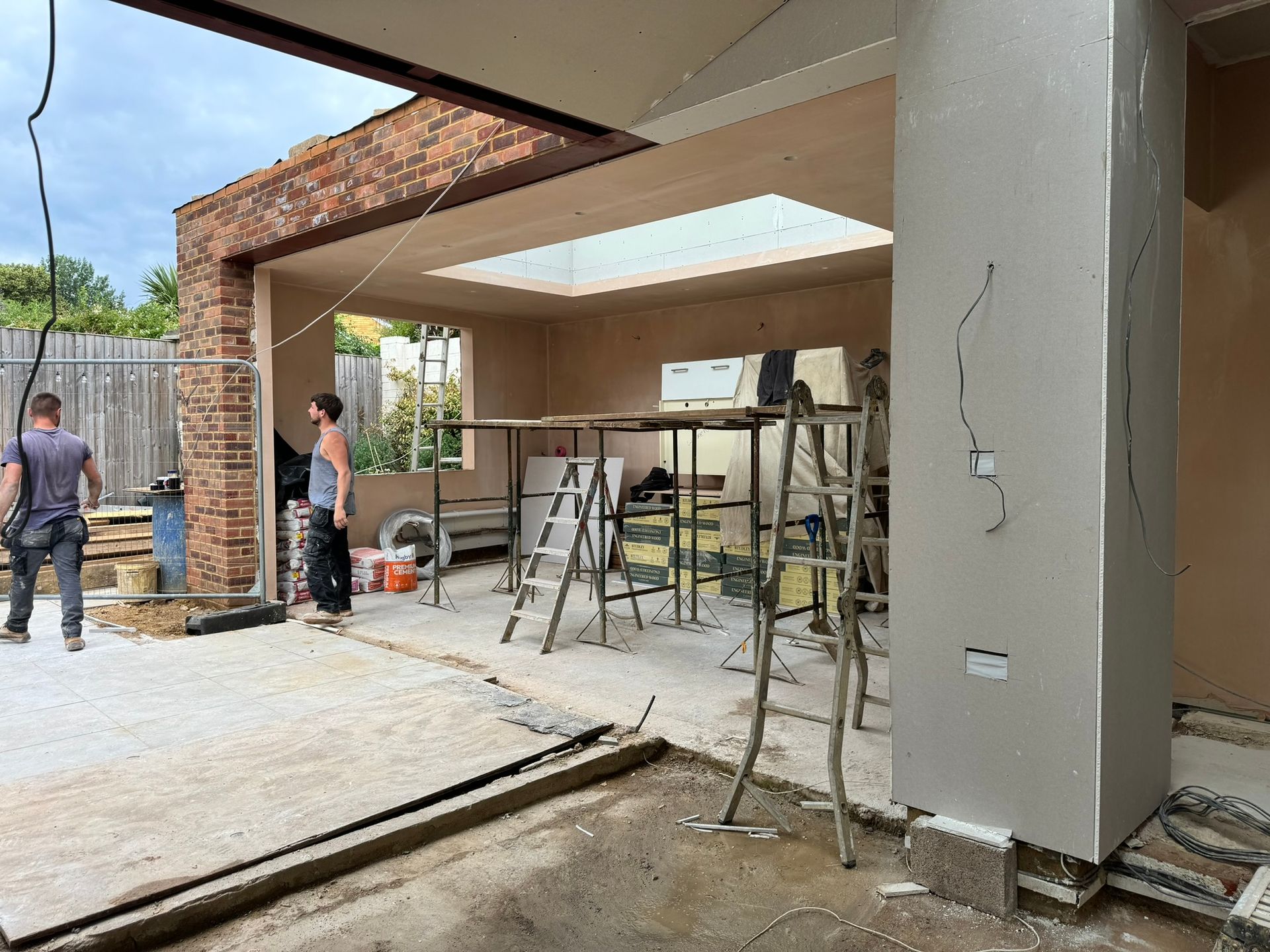
6. Accountability, Regulation, and Design Scrutiny
One of the most significant shifts affecting residential architecture is the increased emphasis on accountability and evidence behind design decisions and how they impact health and safety, usability and buildability. This is driven partly by the Building Safety Act and partly by wider regulatory changes.
While the Building Safety Act is primarily aimed at higher-risk buildings, it has influenced the wider construction industry by reinforcing clearer roles, structured decision-making, and documented responsibility across projects.
In practice, this means architects, engineers, and contractors are expected to be clearer about:
- Who is responsible for each part of design coordination
- How compliance decisions are made
- How key design choices are evidenced
At the same time, building performance requirements have become more detailed and closely linked to measurable outcomes. Energy efficiency, overheating risk, ventilation, and carbon reduction now require clearer technical justification than in the past.
For homeowners, this results in a more structured and front-loaded process. More information is needed earlier, and more decisions must be tested and coordinated before planning or construction. Projects are not necessarily more difficult, but they are more carefully evidenced and coordinated.
Overall, this reflects a broader shift: not a change in the value of good design, but an increase in the level of responsibility and scrutiny required to deliver it.
How does this benefit you?
You benefit from greater clarity, accountability, and quality control throughout your project, reducing the risk of errors or gaps in coordination.
How do we help?
We manage and coordinate the design process carefully, ensuring responsibilities are clear, decisions are well documented, and all compliance requirements are met in a structured and transparent way.
So, Is It All More Difficult?
Residential architecture in 2026 is more complex, but not because design itself is harder. It is because there are more interconnected requirements, more early-stage information, and more structured coordination between disciplines.
These changes are not intended to slow projects down, but to improve outcomes. Well-designed homes are now expected to be:
- Better performing
- More sustainable
- More resilient
- Better integrated into their context
The key shift for homeowners is that more decisions now happen earlier, where they can be properly tested and coordinated.
Final Thought
Good residential architecture has always been about balancing constraints and turning them into well-resolved, functional spaces.
What has changed is not the role of those constraints, but their number and interdependence. In this environment, the architect’s role is increasingly one of coordination and clarity, bringing together multiple strands of information to deliver a coherent and robust design. This includes ensuring that the necessary information is in place early to support a successful project and help avoid unexpected delays. Equally, and importantly, there is also a responsibility to question requirements and, where appropriate, push back to minimise unnecessary additional cost or input burden.