
Windsor Designs Live #1
Chris Dale • September 13, 2023
Windsor Designs Live #1 was a huge success!
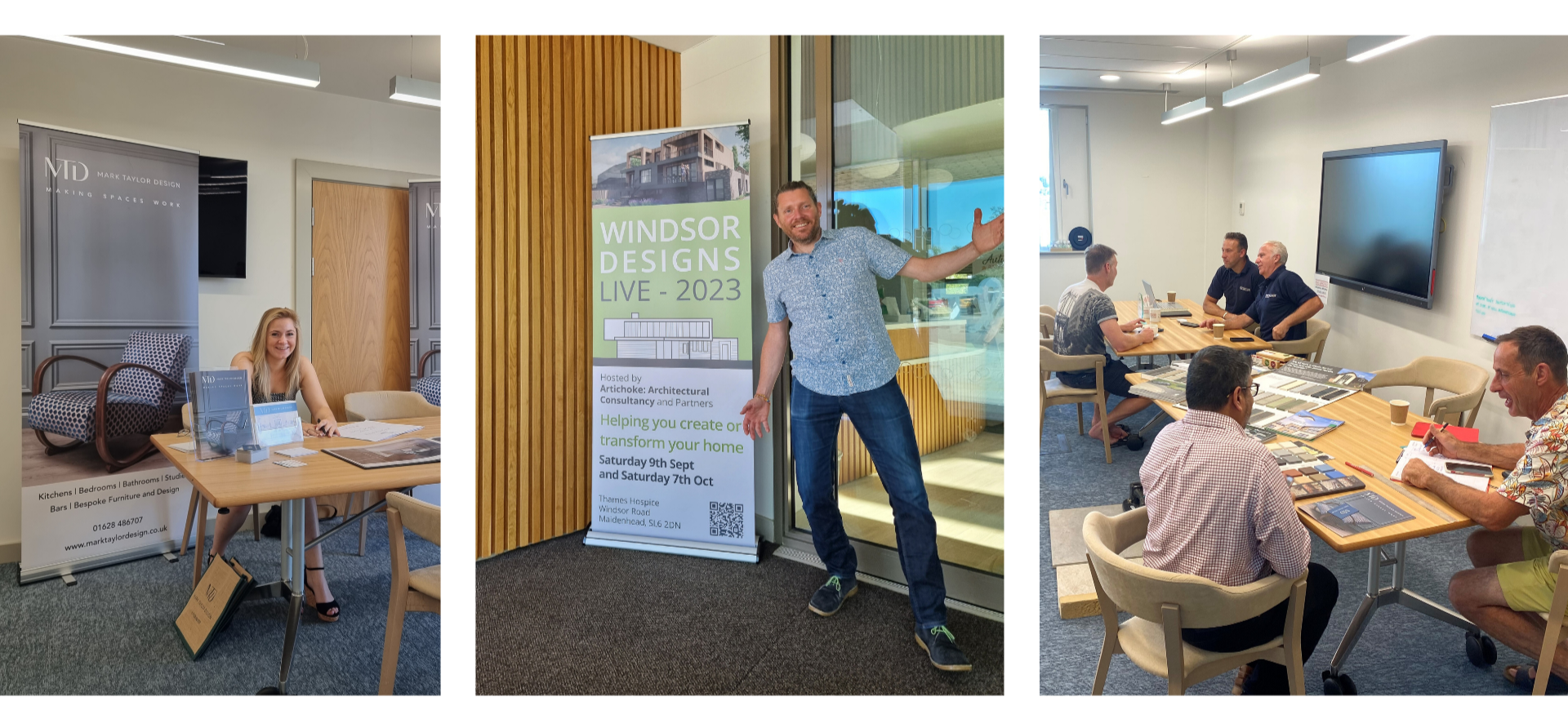
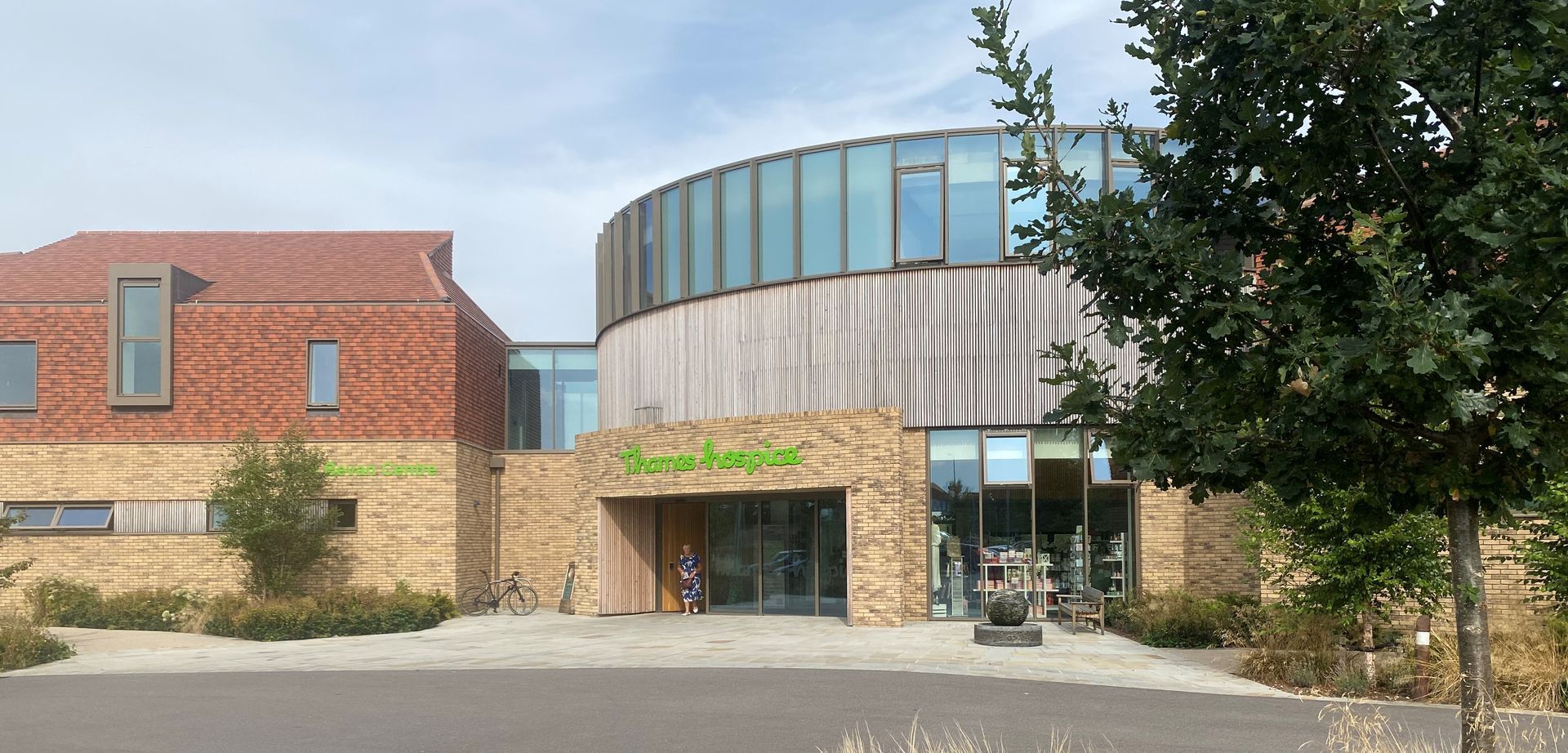
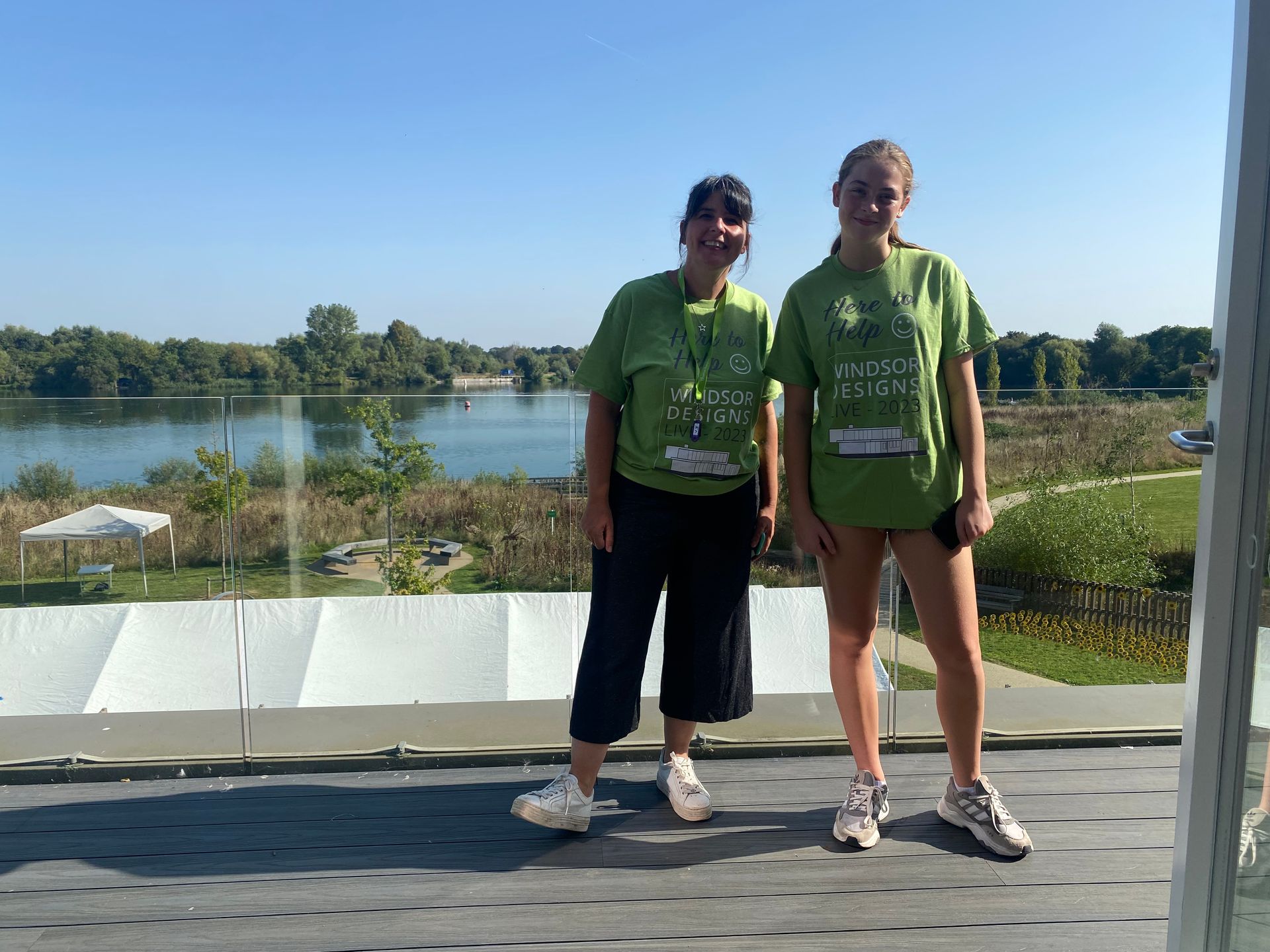
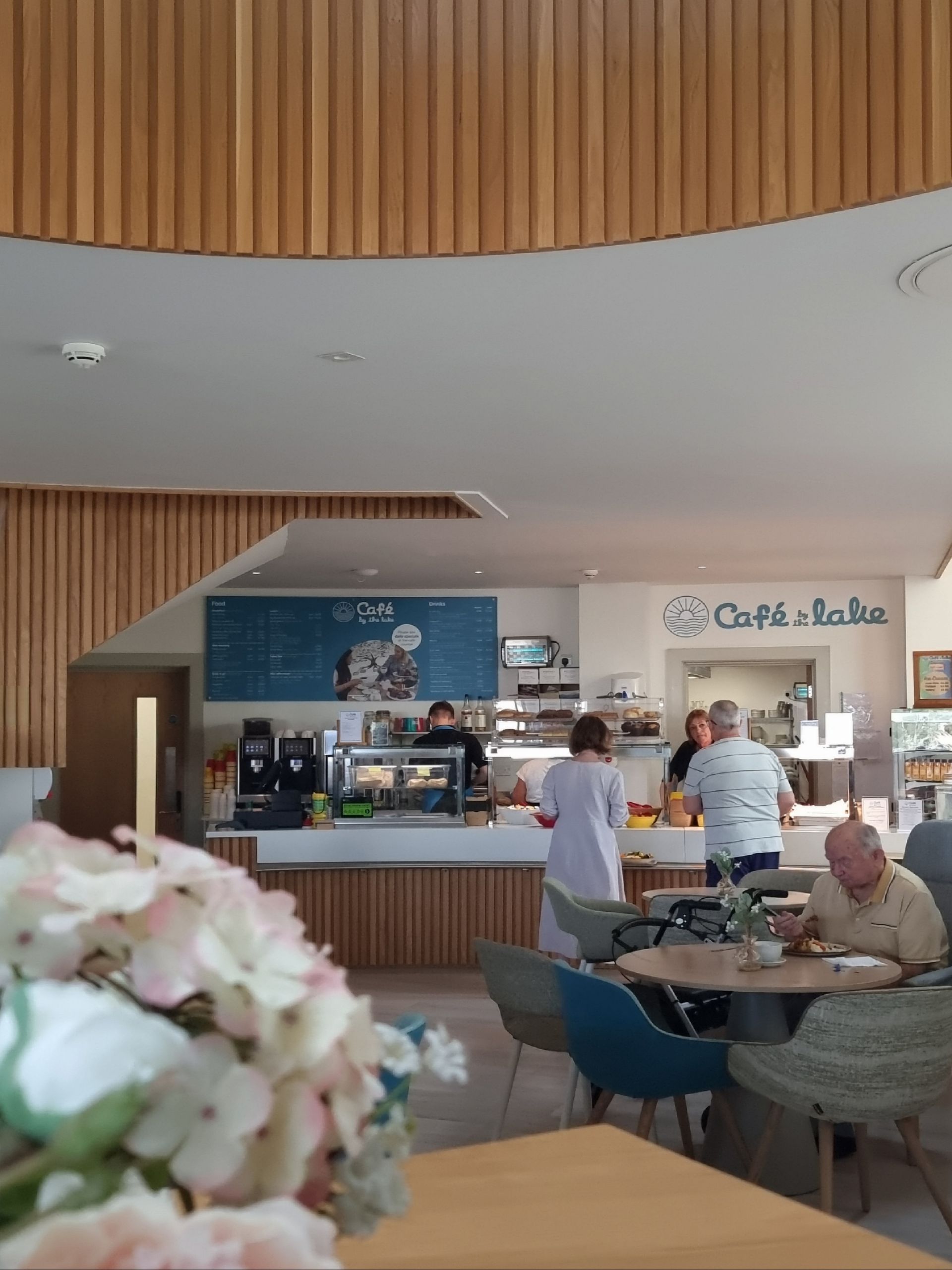
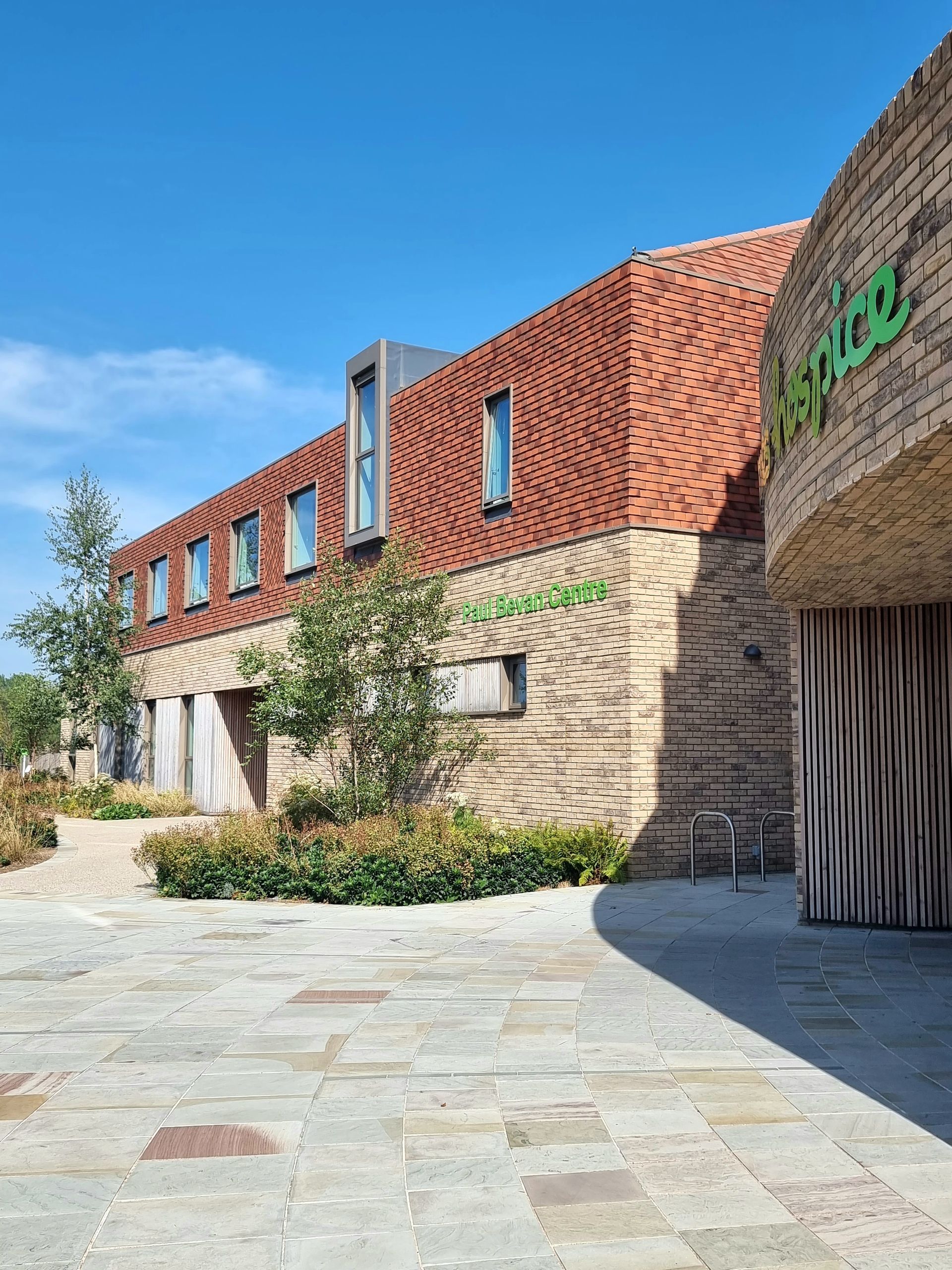
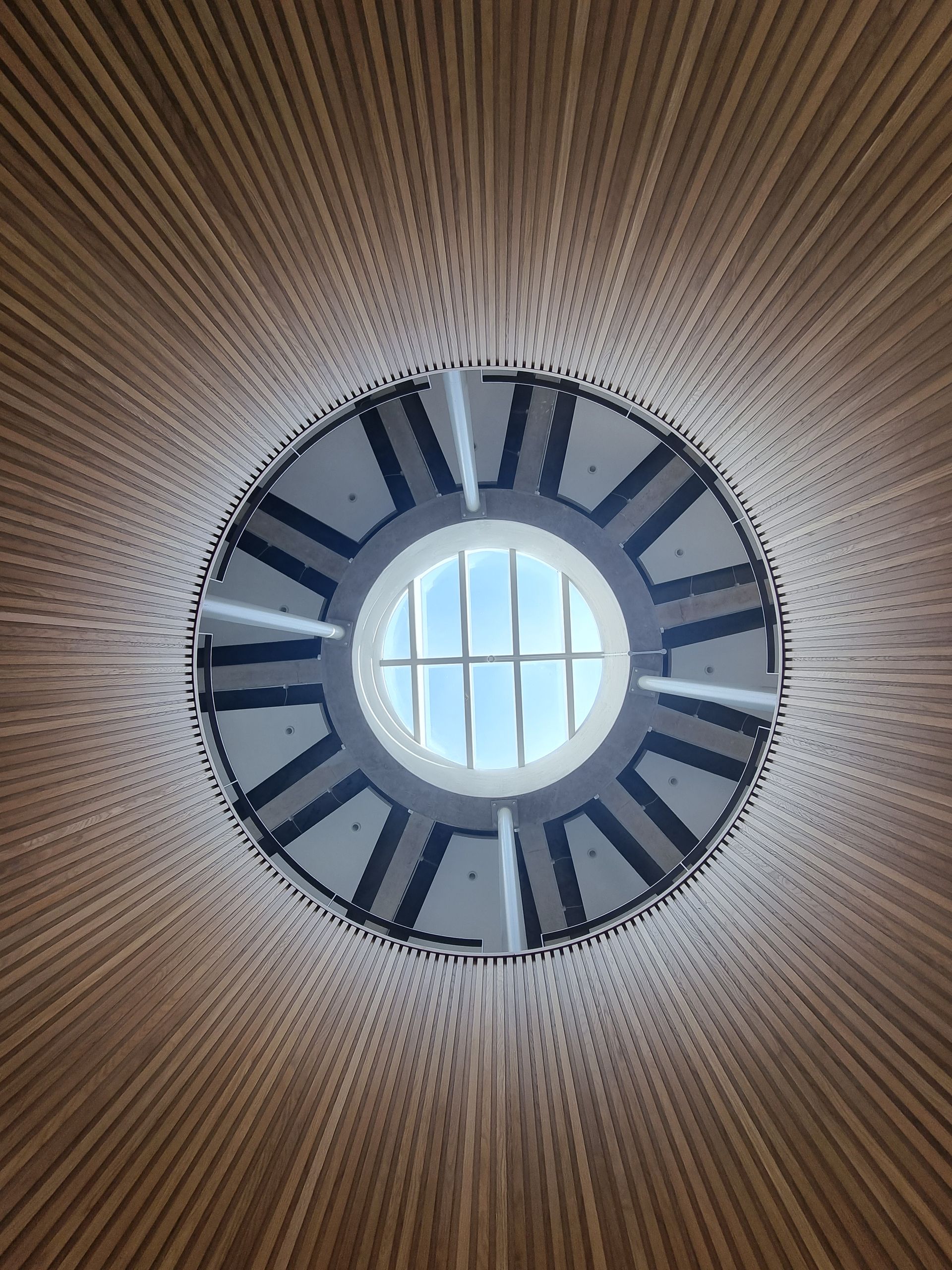
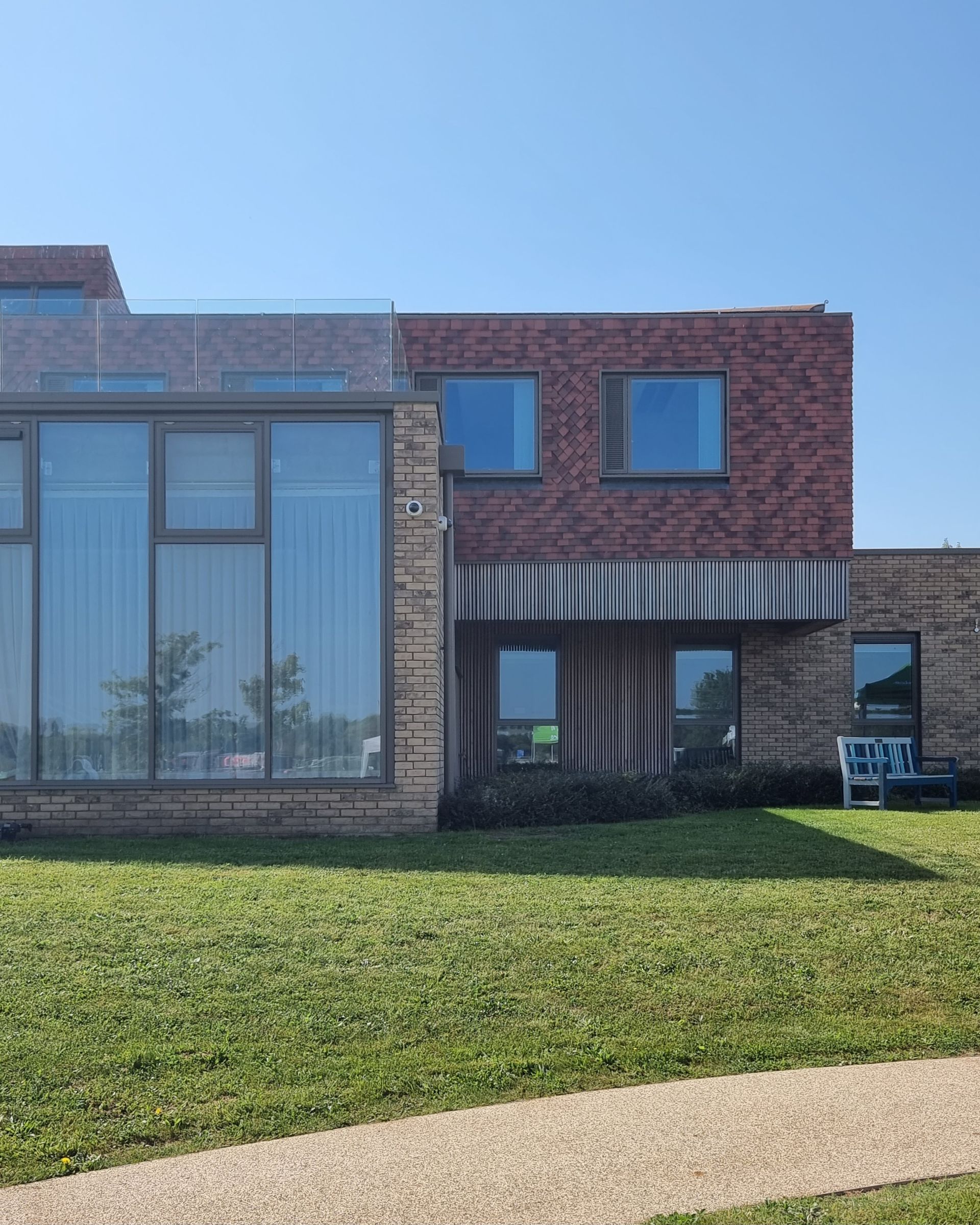
The backdrop was a scorching day at the stunning Thames Hospice, with views over Bray lake and the early morning swimmers slipping though the water; glistening in the morning sun.
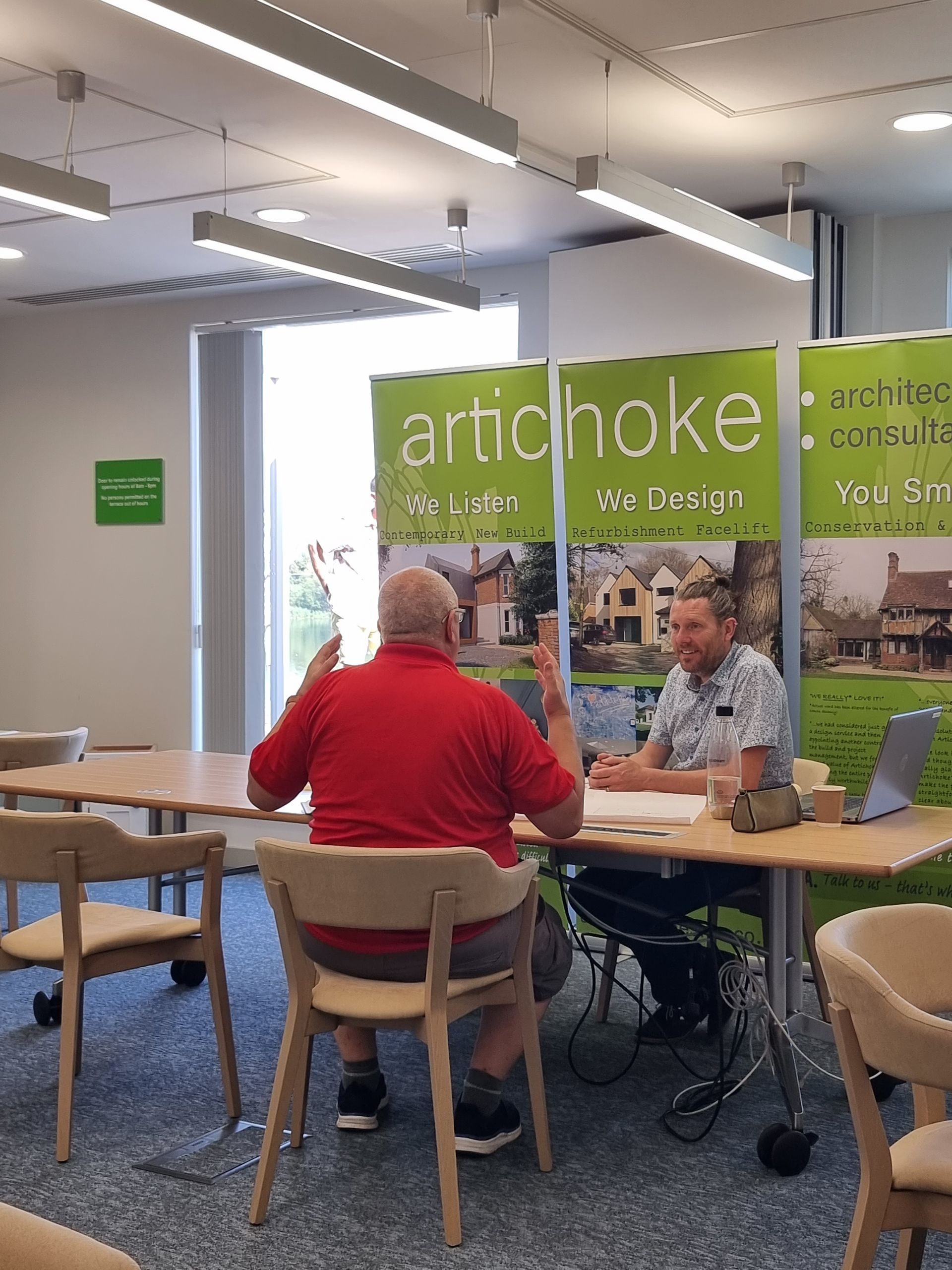
Our first visitors arrived punctually just before 09:00 in time for a fresh coffee and a Jaffa cake, for the first of two Windsor Designs Live events we’re hosting, which aim to help anyone at any stage of their project of which there were quite an array.
• Two new build dwellings; in the flood plain in Windsor; and in Holyport
• Early developments of a school boat club on the banks of the Thames in Windsor
• Several extensions and a loft conversion
• The remodelling of houses and gardens
• The refurbishment and remodelling of a fire damaged listed property in Old Windsor
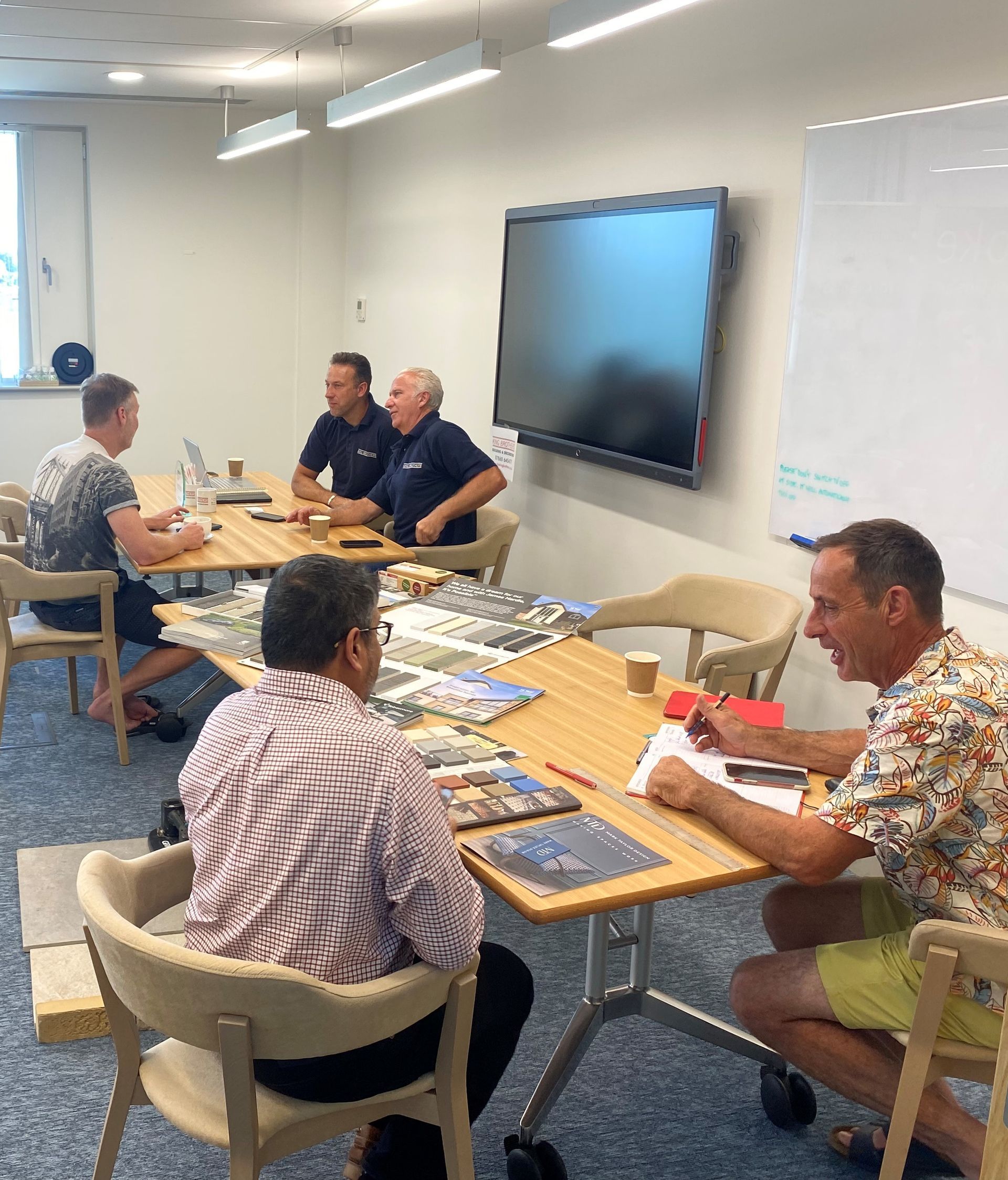
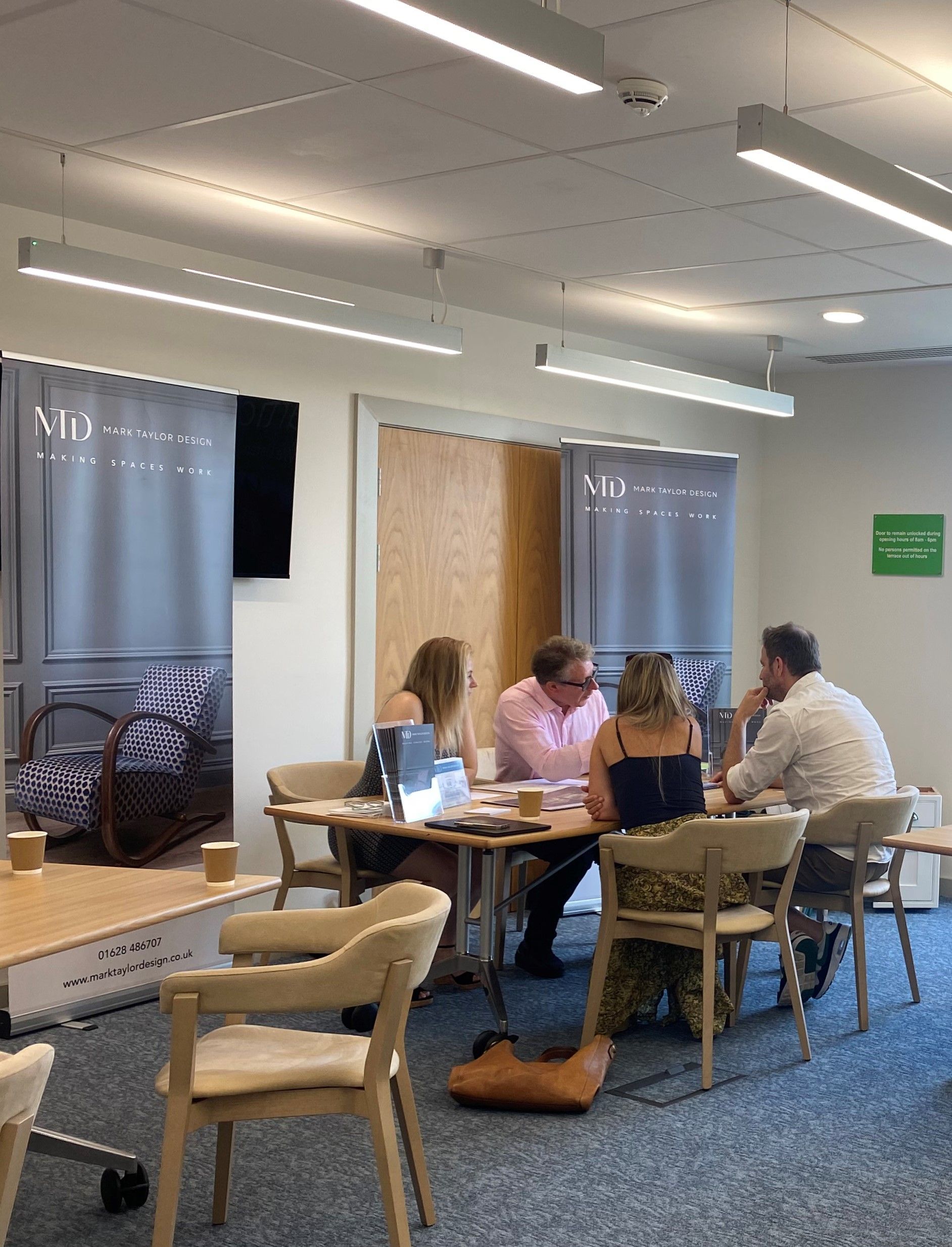
Every one of our visitors met with at least 2 of the consultants and in some cases they met with 5 or more and all said how incredibly useful it was to be able to arrange meetings with so many different experts in the construction industry all in one place on the same day. The meetings gave them the confidence to progress with their projects, where some of them felt that they had been stuck before the day.
Because all of the consultants know the development process and what help the others had to offer, where some guests had only booked in to see one or two consultants, it was possible to quickly understand the guests’ project’s and suggest that they might benefit from speaking to one or more of the other consultants there. Again, the feedback from our guests was that this was hugely helpful and they ended up getting much more help and guidance than they had realised was relevant or even necessary.
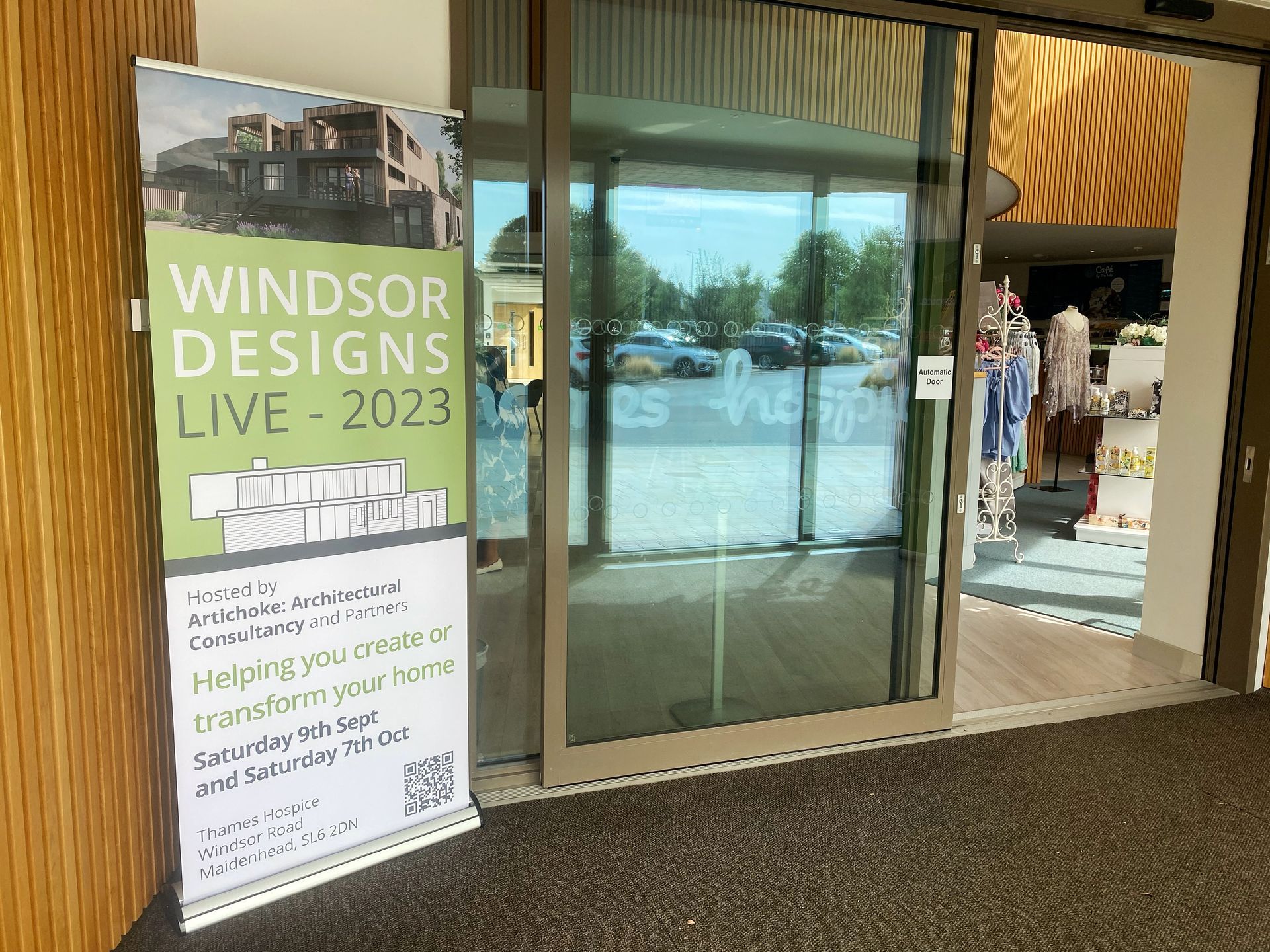
All of the guests, all of whom had projects in mind said that they would definitely encourage any friends with projects to come along to the next Windsor Designs Live on Saturday 7th October.
The feedback from our consultants was similarly positive. Not only did they have very enjoyable days in a stunning environment they were also able to spend time with the other consultants making and strengthening connections, all of which of course helps with fluidity and confidence when they are working with clients in the future and need advice or services.
Consultant Insights
We’ll be running a series of posts delving into each consultant in turn so that you can decide whether to come along to the next event and get the help of one or more of them with any project that you might have in mind.
Thank you
We’d like to say a big thank you to the team at Artichoke and at The Thames Hospice lead by Ola and Annie (respectively) that put in lots of hard work organising the event, my wife, daughter & her friend for being charming and helpful ushers, all of whose help made the event run so smoothly and successfully.
Also, the 6 other consultants or the flow of cheer and all of the great advice they gave:
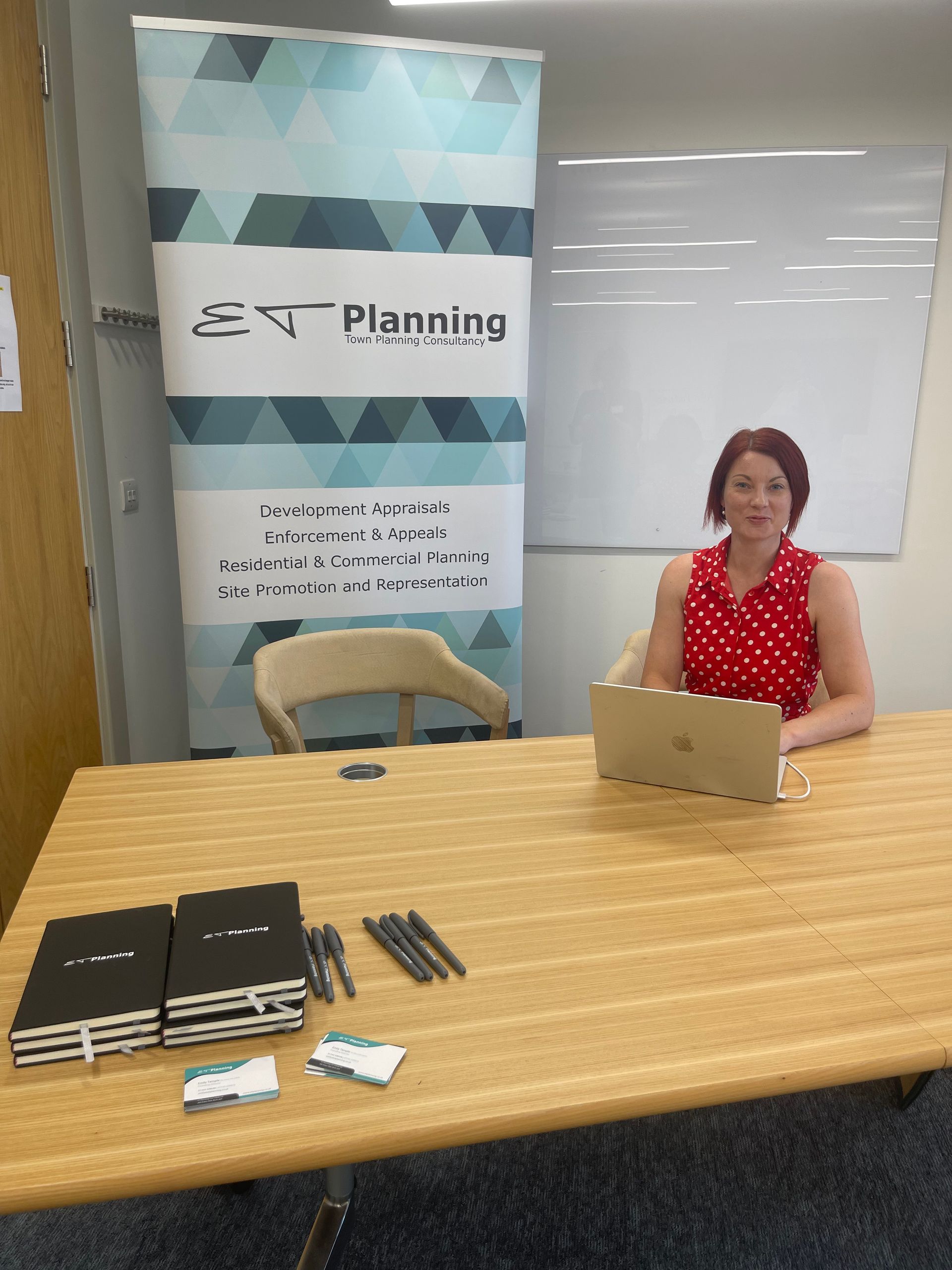
Emily Temple Planning
– Planning Consultant
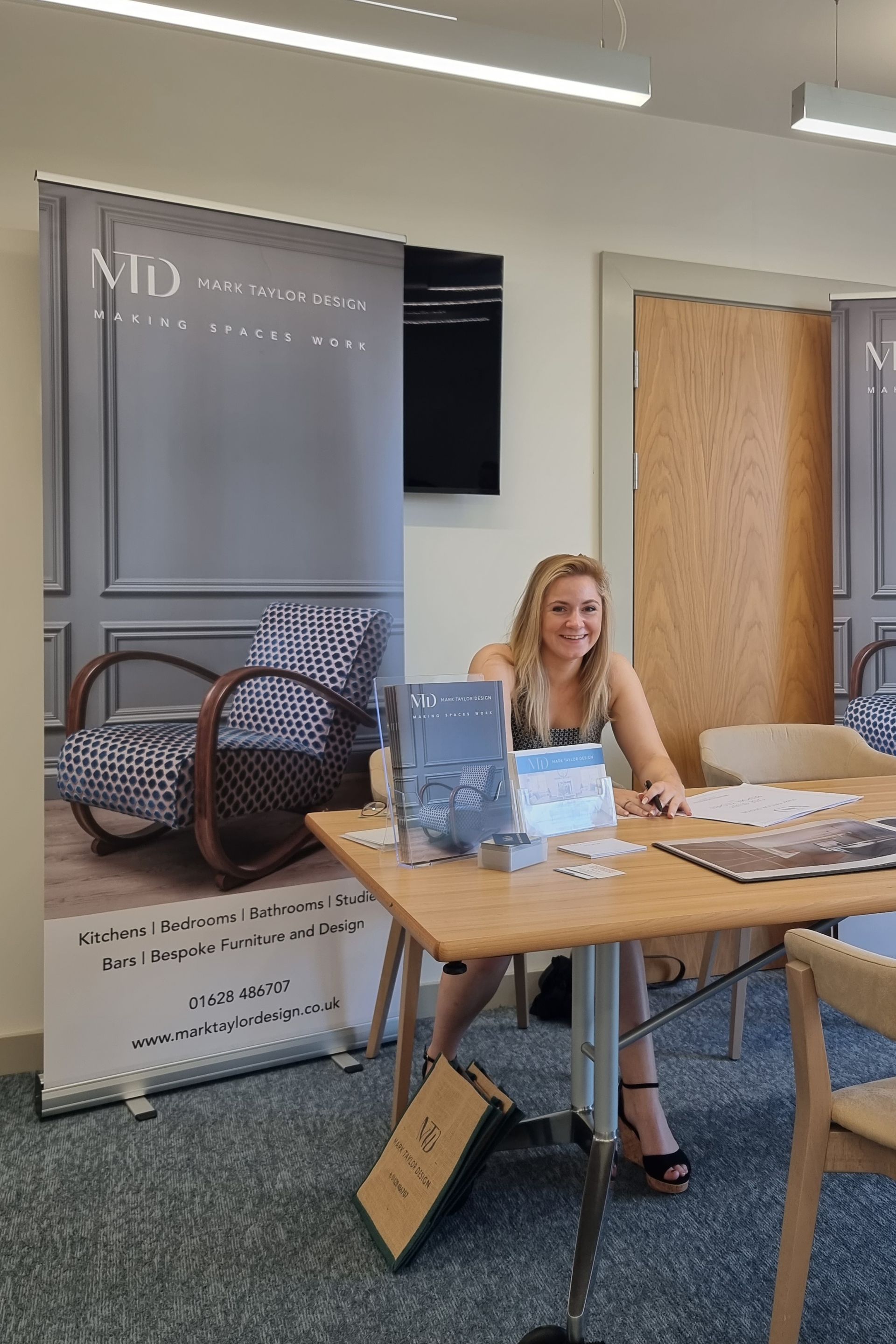
Mark Taylor Design
– Bespoke Joinery and Furniture Design
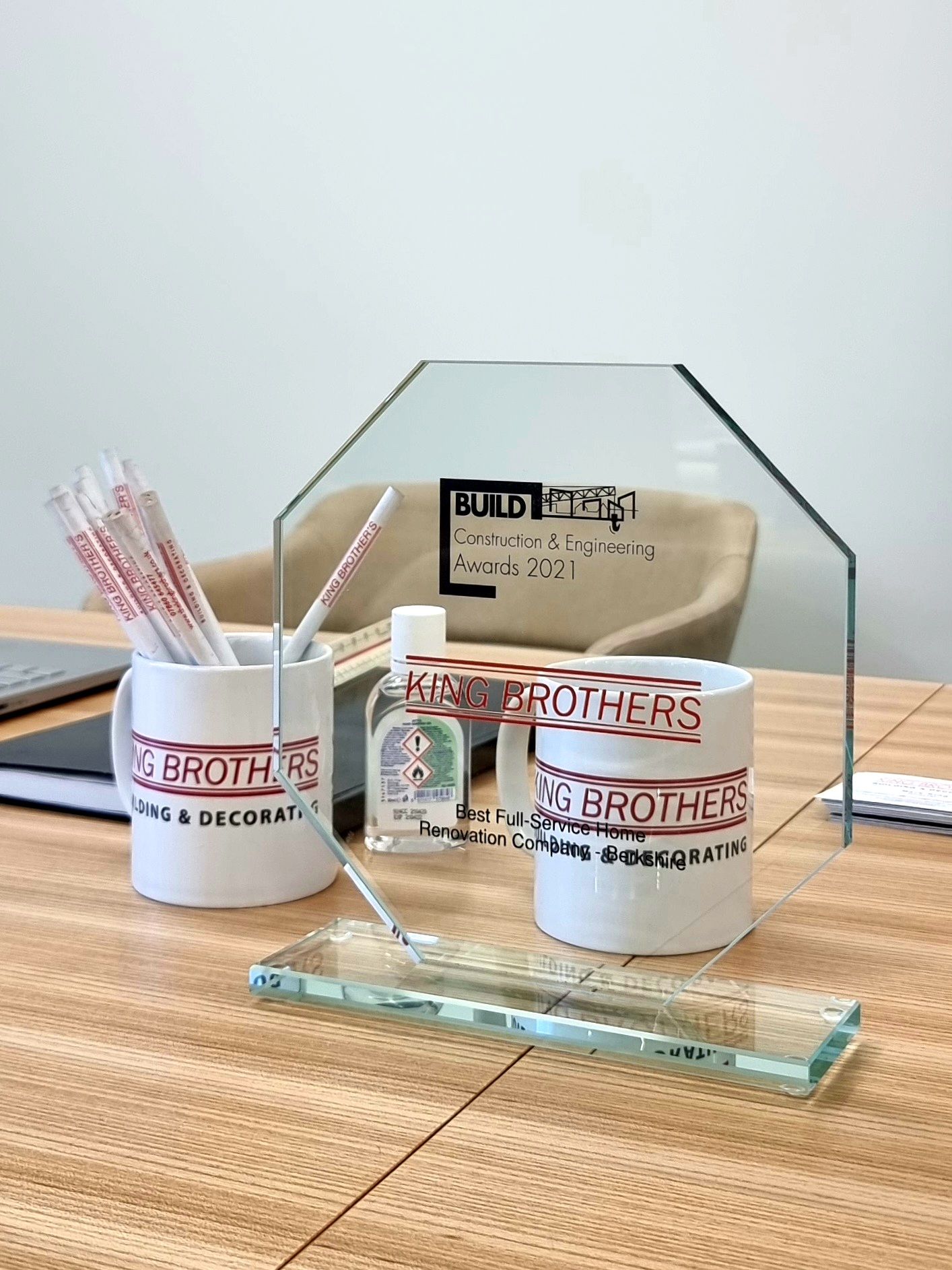
King Brothers Builders & Decorators
– Builders & Decorators
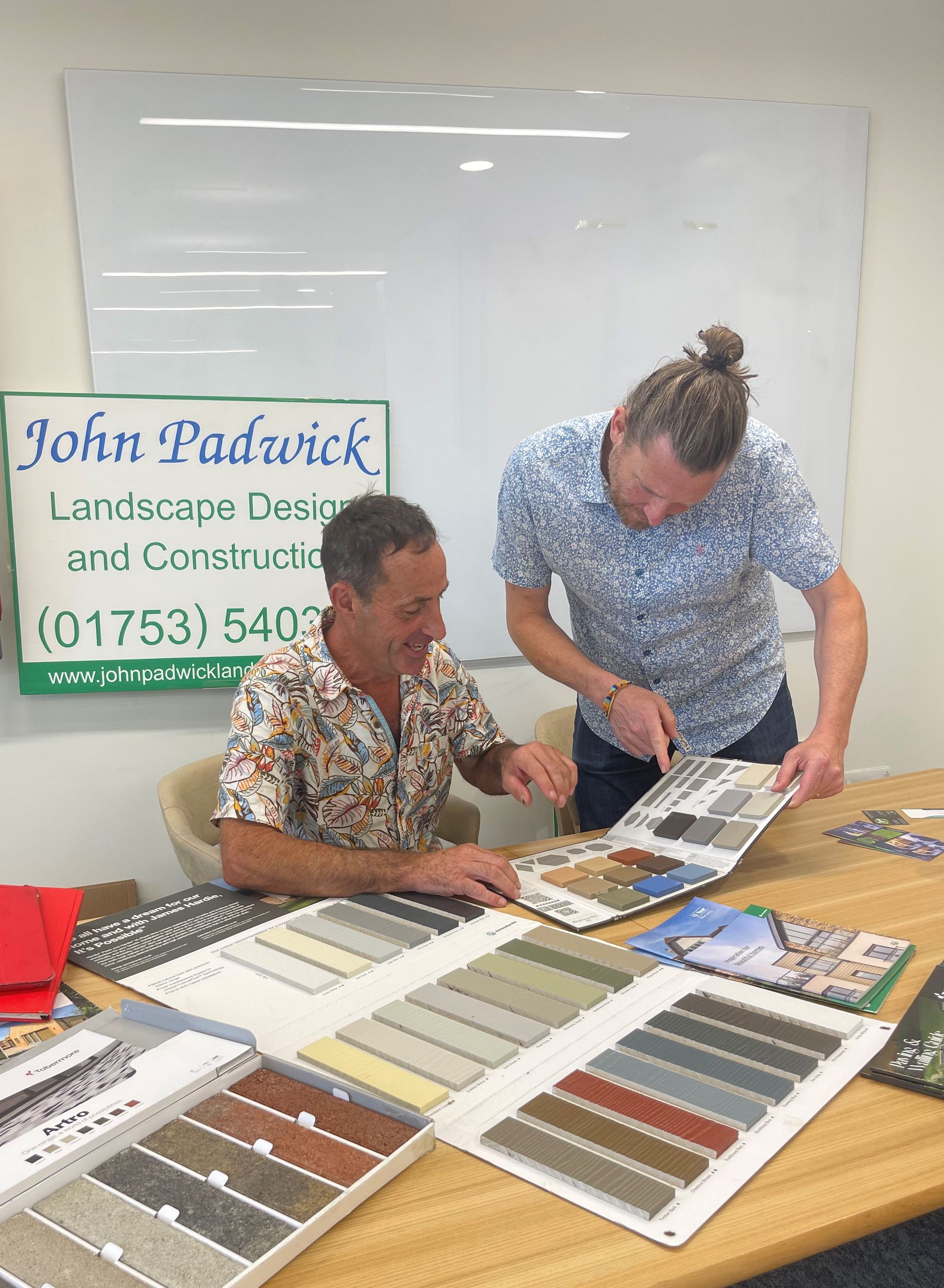
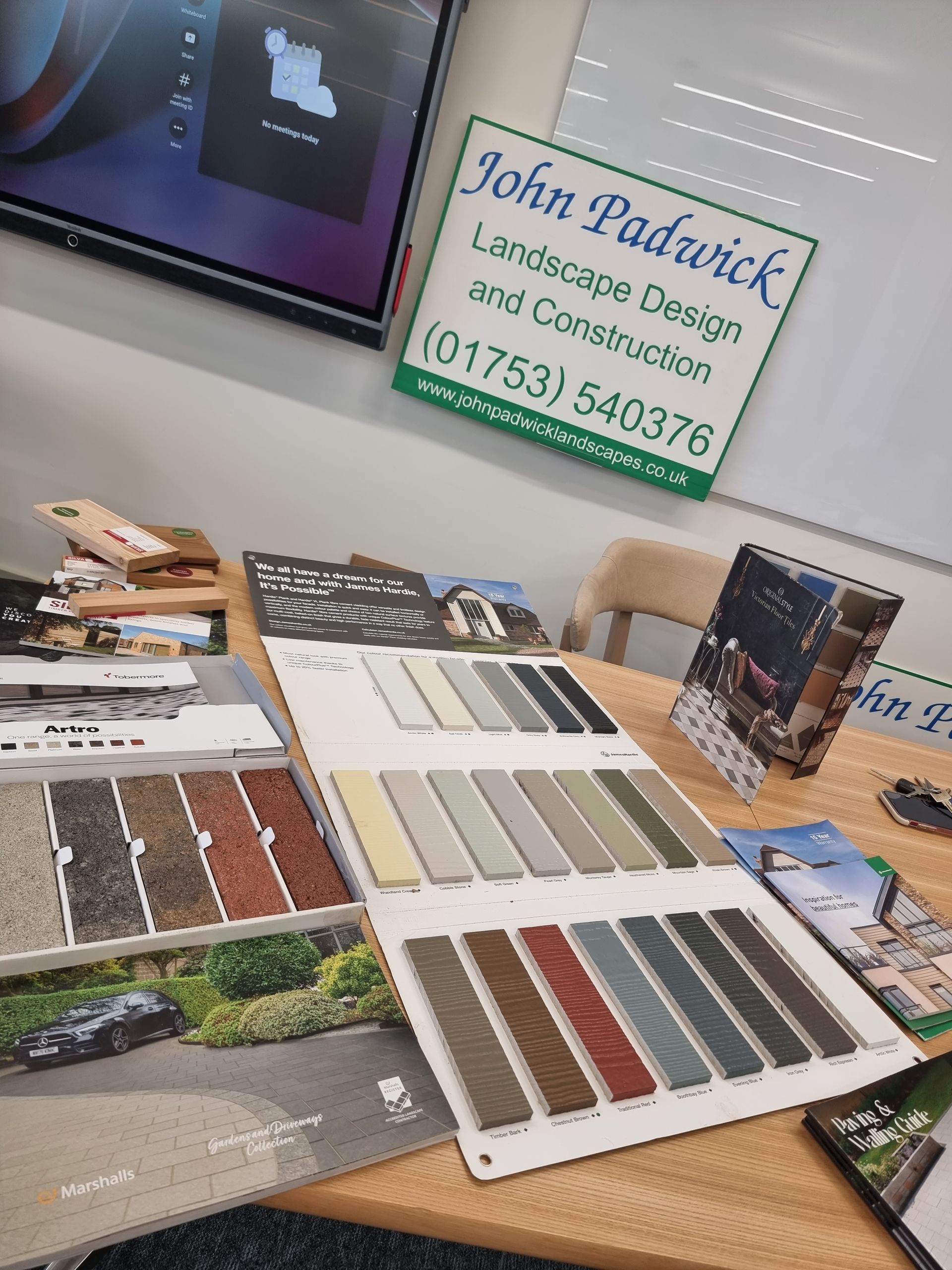
John Padwick Landscapes
– Landscape Design & Construction
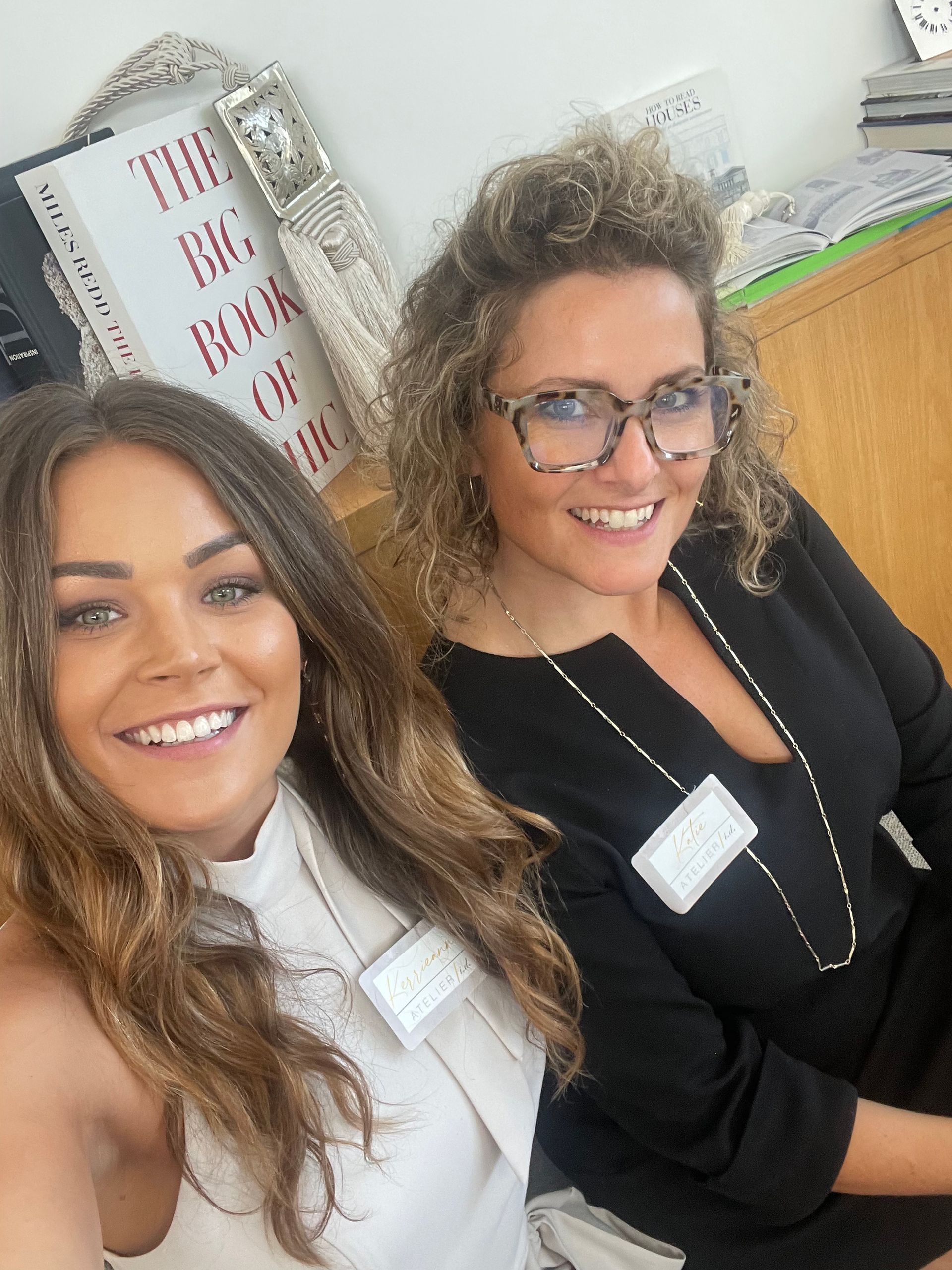
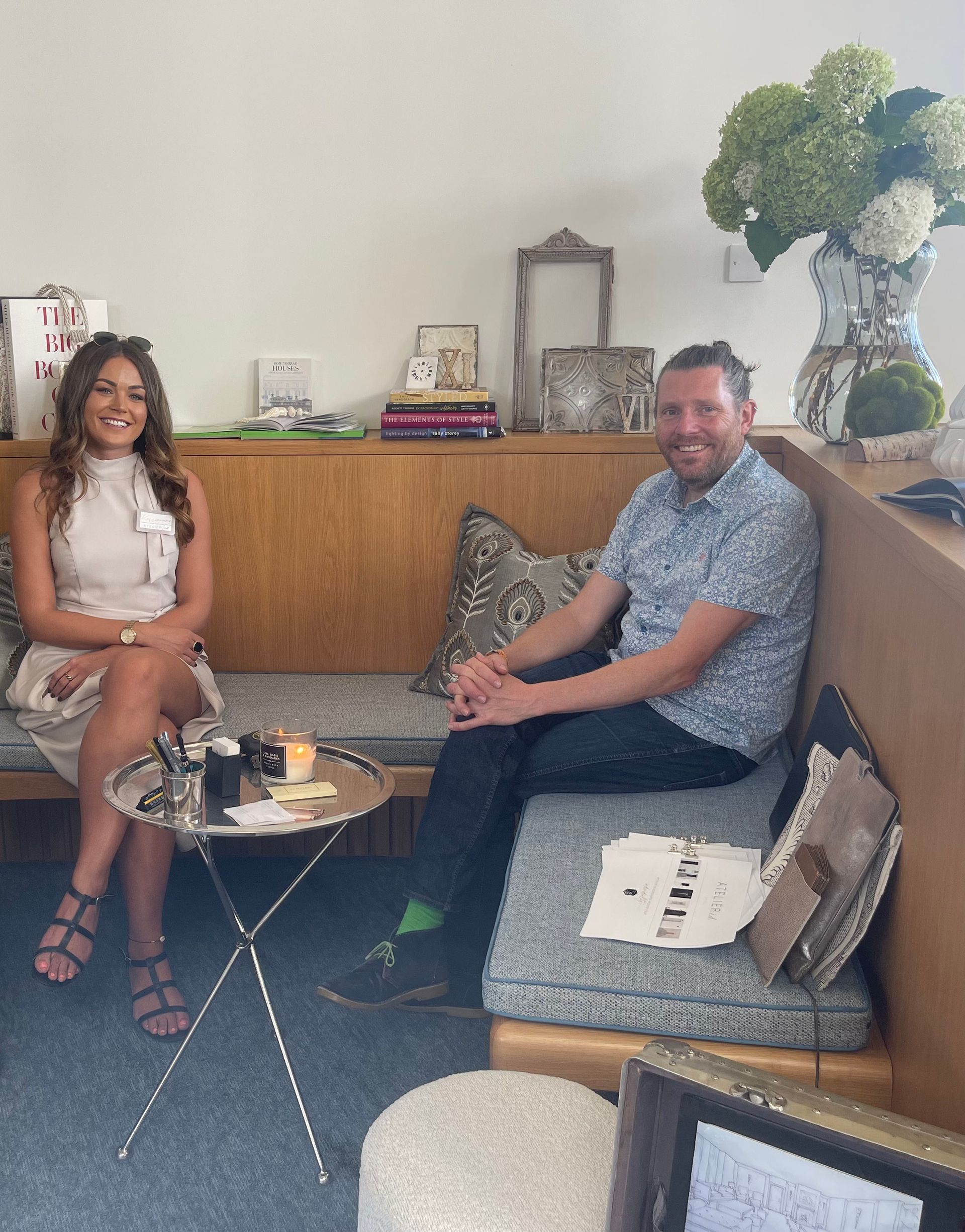
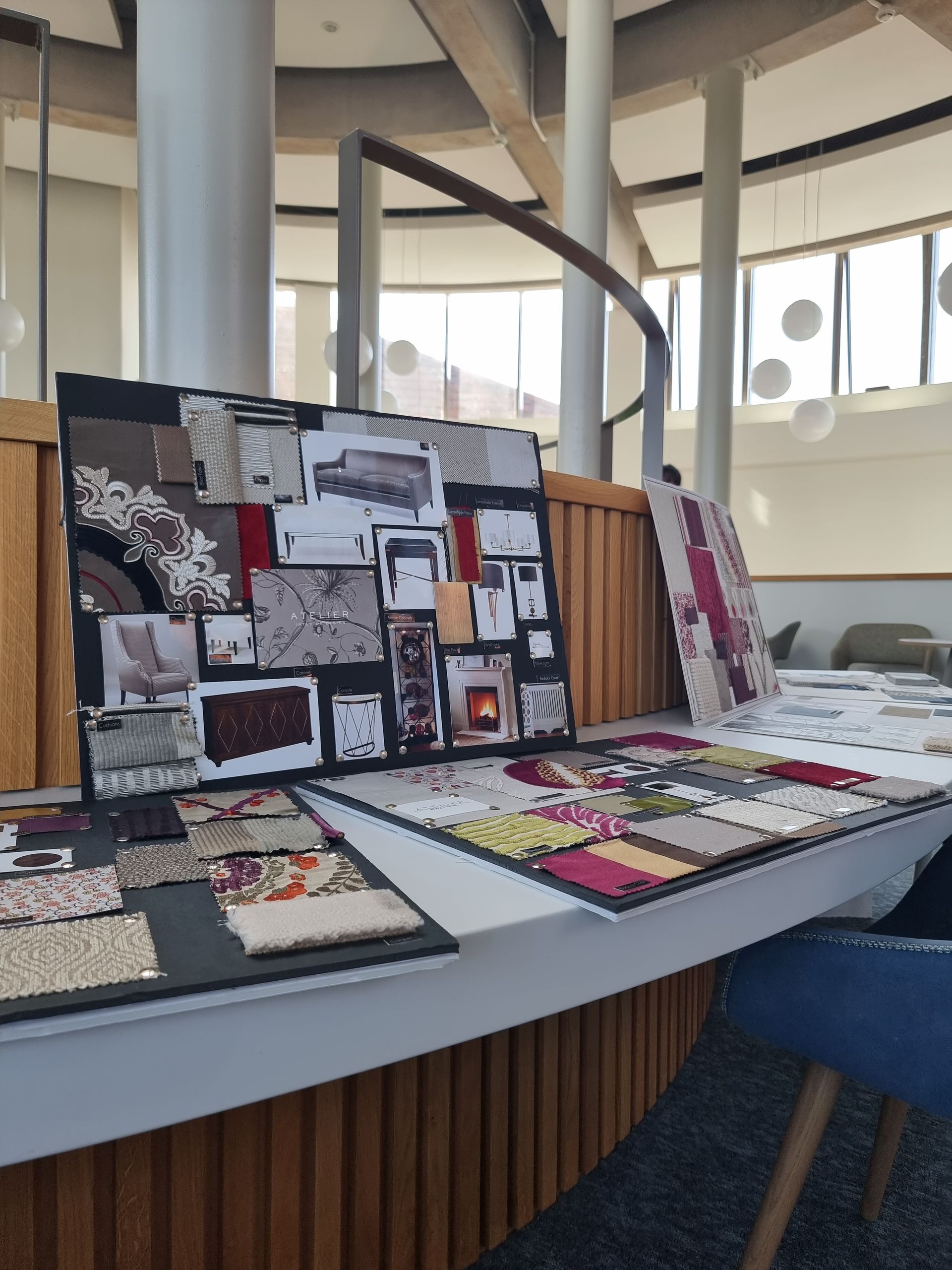
Atelier Interior Designers
– Interior Designer
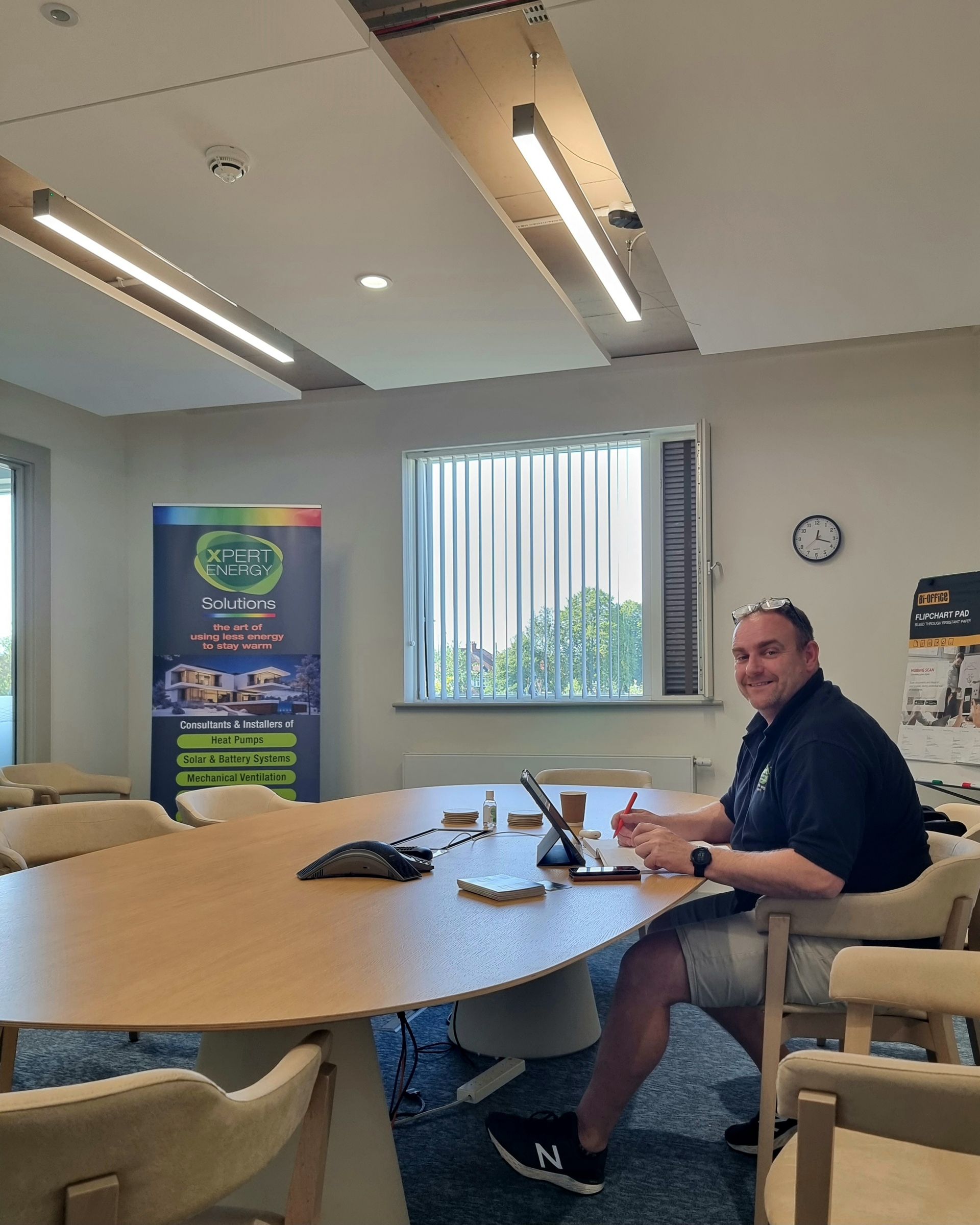
Xpert Energy
– Renewable Energy Solutions
And of course – to all of the guests
who came!
The first event was quite daunting, we wanted to make sure that everyone giving their time felt it was worthwhile, which was unanimously the case, so we’re now very excited about the next Windsor Designs Live and hoping to see many more of you there so that the expert team of consultants can help you with all the questions and worries you have about your project.
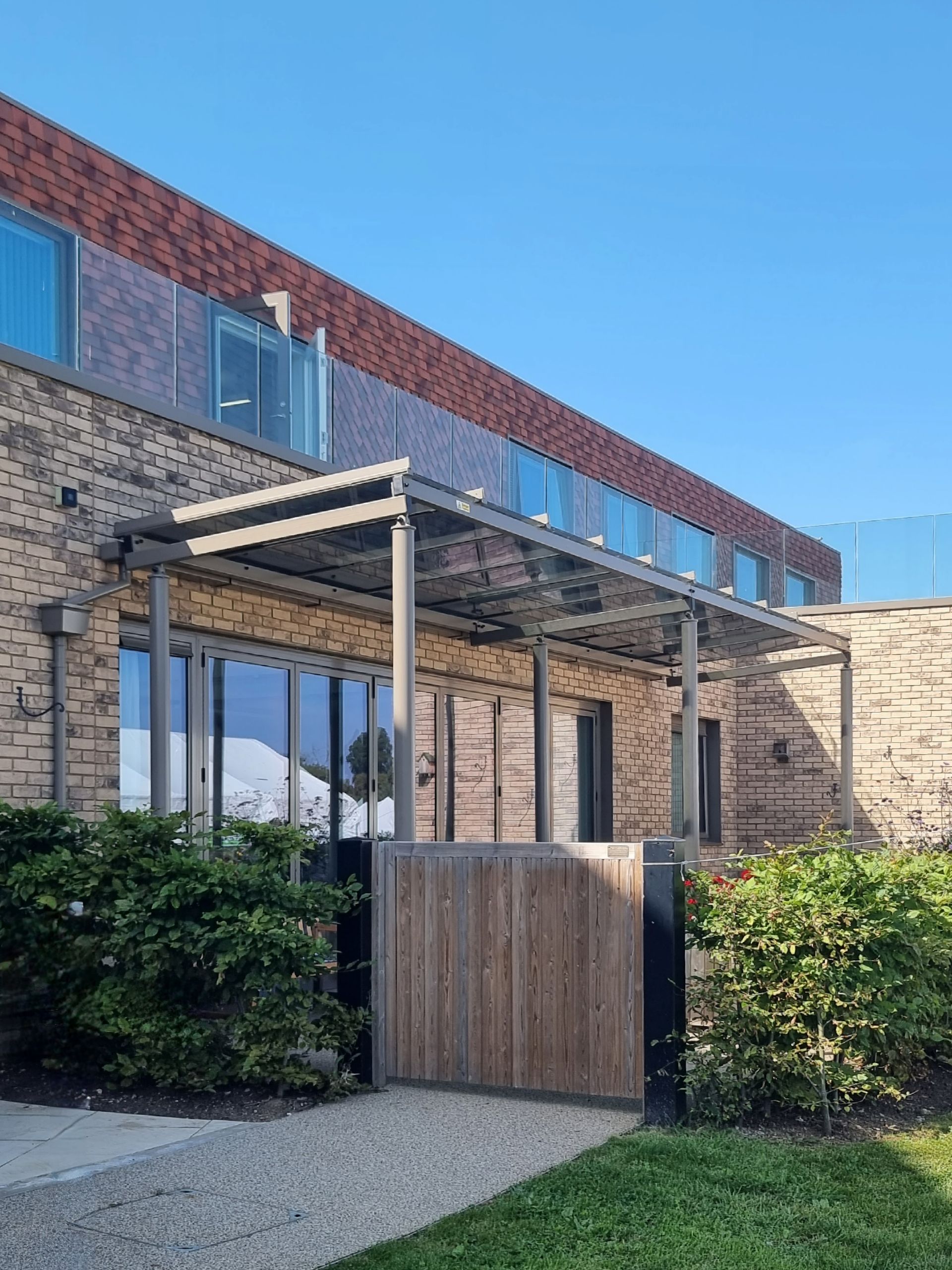
Experience the Day in Stunning Pictures - Click the Arrow!
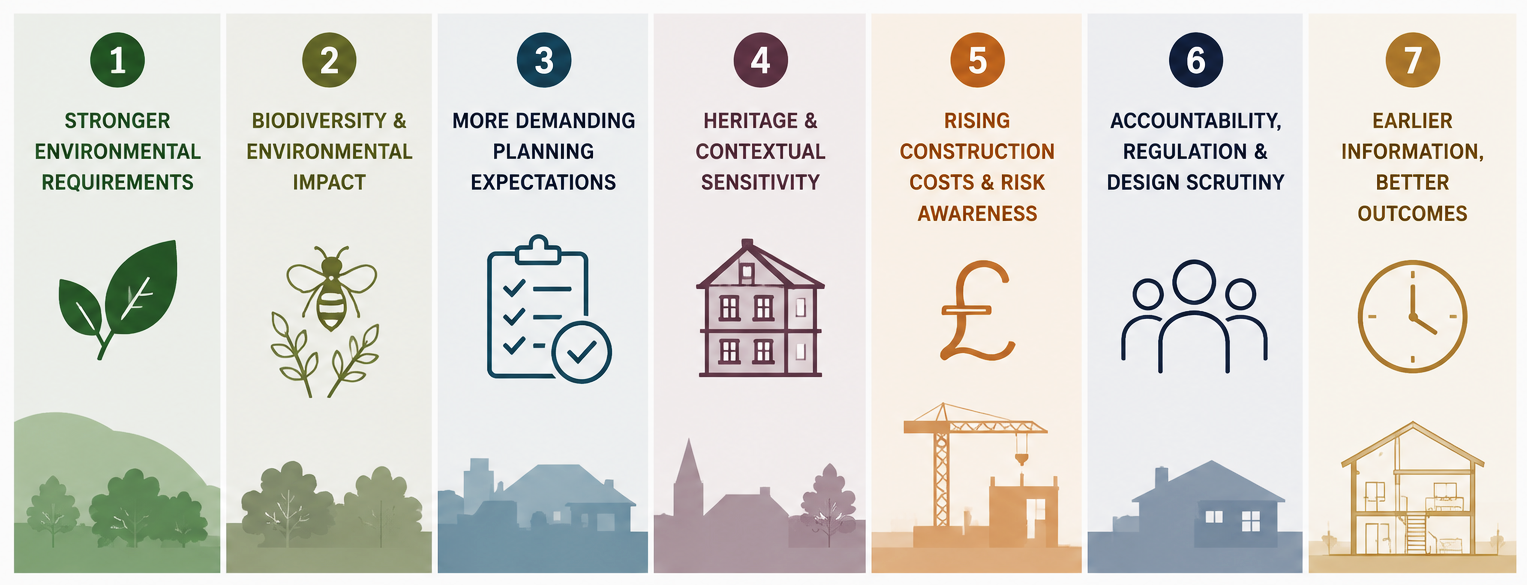
Why Residential Architecture Has Become More Complex in 2026
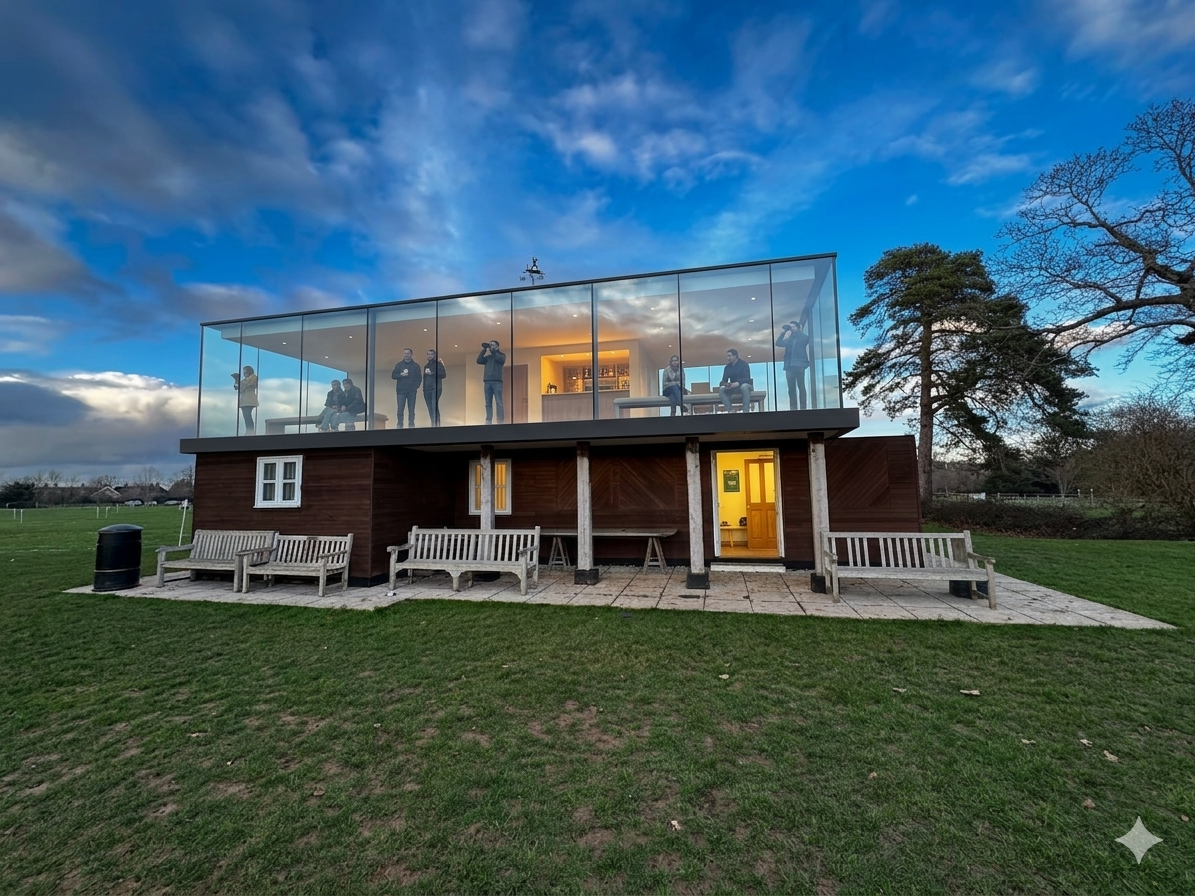
Images: all ai-generated from our School Pavilion project
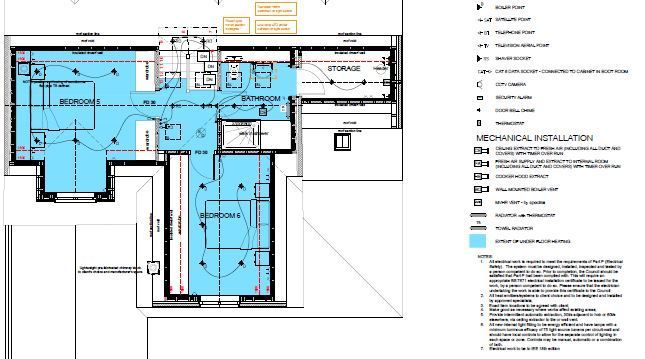
At Artichoke, we don’t push our services and for some projects, Building Regulations information is enough, where the client has both experience and a competent builder. Sadly, sometimes we get that call from a client after things have gone wrong. Recently, a lovely client of ours generously agreed to share her experience of undertaking a “relatively simple” extension without: • Detailed production drawings • A formal tender process • A proper building contract • An architect acting as Contract Administrator Her story isn’t about blaming anyone. It’s about process - and why it matters. Q&A Q: What made you decide not to appoint an architect to manage the build? Client: We felt it was a straightforward project — kitchen extension, some internal changes. We thought we could save money by not having full architectural drawings or someone overseeing the build weekly. The builder seemed confident and experienced and had been recommended. Looking back, we underestimated how complex even a “simple” project becomes once work starts and just how many things there are to actually tie up. Q: When did you first feel something wasn’t quite right? Client: Delays started early. Windows were months late. The skylight was boarded over for weeks. The house was insecure at times. But what really concerned us was when we started reviewing the finish — we realised it wasn’t just snagging. There were things unfinished, incorrectly installed, or potentially unsafe. Q: What kinds of issues arose? Client: There were dozens: • Appliances not secured properly • Sink only held in place with silicone • Hob extracting into a cabinet and wall cavity • Boiler flue incorrectly fitted • Faulty air admittance valve (not compliant with Building Regulations) • Cladding not finished properly • Drainage incomplete • Roof drain missing • Skylight not installed There were also safety and security concerns — the house left open, heating turned off without notice, keys left accessible. What we thought would be a short snagging list became a long schedule of incomplete and unacceptable work. Where Process Would Have Helped 1. Detailed Production Information Without full construction drawings: • Appliance housing dimensions weren’t properly coordinated • Extract ventilation routes weren’t clearly defined • Drainage details weren’t fully resolved • Cladding interfaces lacked clarity • Boiler clearances weren’t formally checked Production drawings remove ambiguity. They define responsibility. They reduce interpretation on site. When drawings are light, site decisions fill the gap – and those decisions aren’t always coordinated – or compliant.
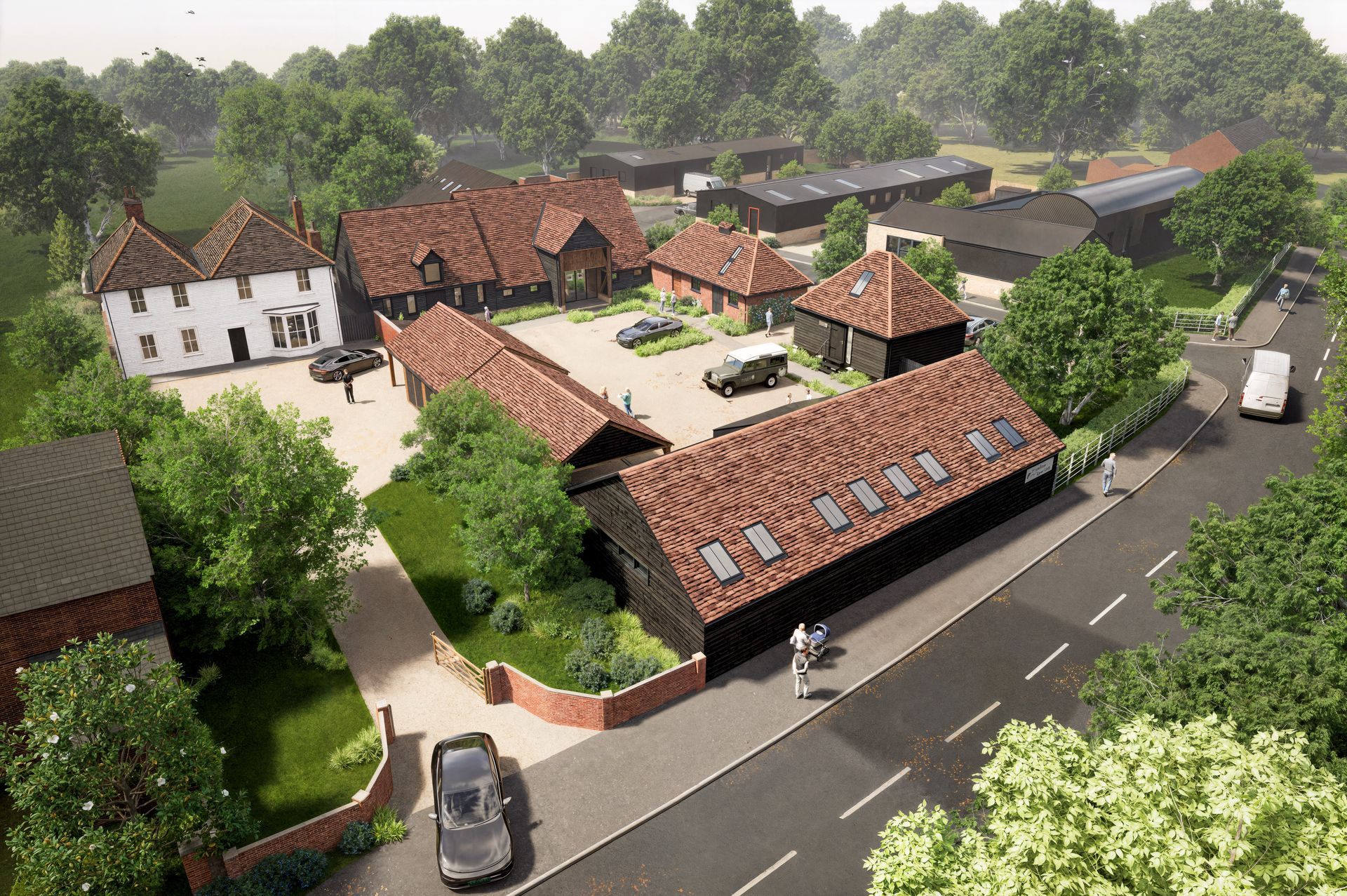
This marks a huge milestone in what has been one of the most exciting, challenging, and rewarding projects our practice has ever worked on. An Opportunity and a Privilege When we were first approached by Step Property almost five years ago, it was immediately clear that Manor Farm was a once-in-a-career project — a historic farmstead with five Grade II listed buildings, a sensitive Conservation Area setting, Green Belt & flood plain constraints, a struggling commercial yard and collapsing historic buildings that all urgently needed a coherent long-term vision and a strategy to achieve that. To be entrusted with leading the design and coordination of such a significant site has been a genuine privilege, one which we have not taken lightly.
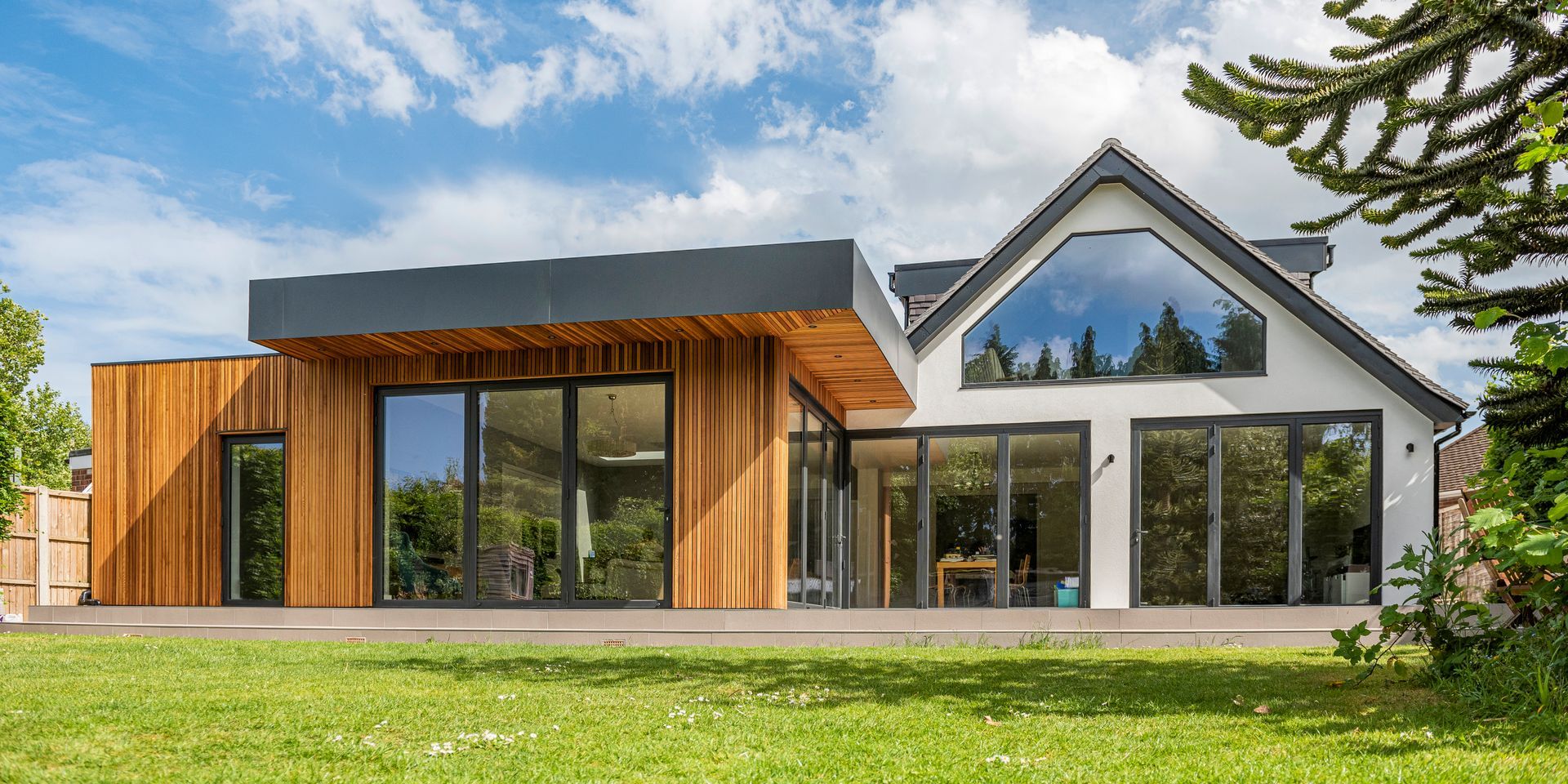
Across the UK, many homeowners and small developers are pausing their plans. Construction costs are at record highs, planning requirements have become more complex, and professional fees are also increasing, so even a seemingly simple home extension or redevelopment is much more of a risk. Possibly the greatest concern we hear is – “What if we spend thousands of pounds only to find out it’s not even possible?” That’s exactly why we created the Kickstarter Package — our fixed-fee feasibility study that helps you to make informed decisions at a nominal cost in comparison to house purchases and developments. What is the Kickstarter Package? The Kickstarter Package is a design-led feasibility consultation that explores the planning, budget and design potential of your property. For a modest, fixed fee (from £750 excl. VAT), our experienced architects help you understand whether your ideas are likely to be achievable, affordable, and aligned with current planning policy — saving time, stress and money later on. You’ll receive clear answers to the key questions every homeowner faces: Is planning permission likely to be granted? What might the project cost? How long could it take? What could it look like? What’s Included — and Why It Matters Each element of the Kickstarter Package offers exceptional value compared with typical early-stage architectural or consultant fees. 1. Initial Consultation and Site Visit We start with a detailed discussion about your goals & requirements — from extending your home to redeveloping a site or purchasing a property. Then we visit the site to review opportunities and constraints in person. This early visit often uncovers crucial planning, drainage or design issues before you spend thousands on detailed drawings.
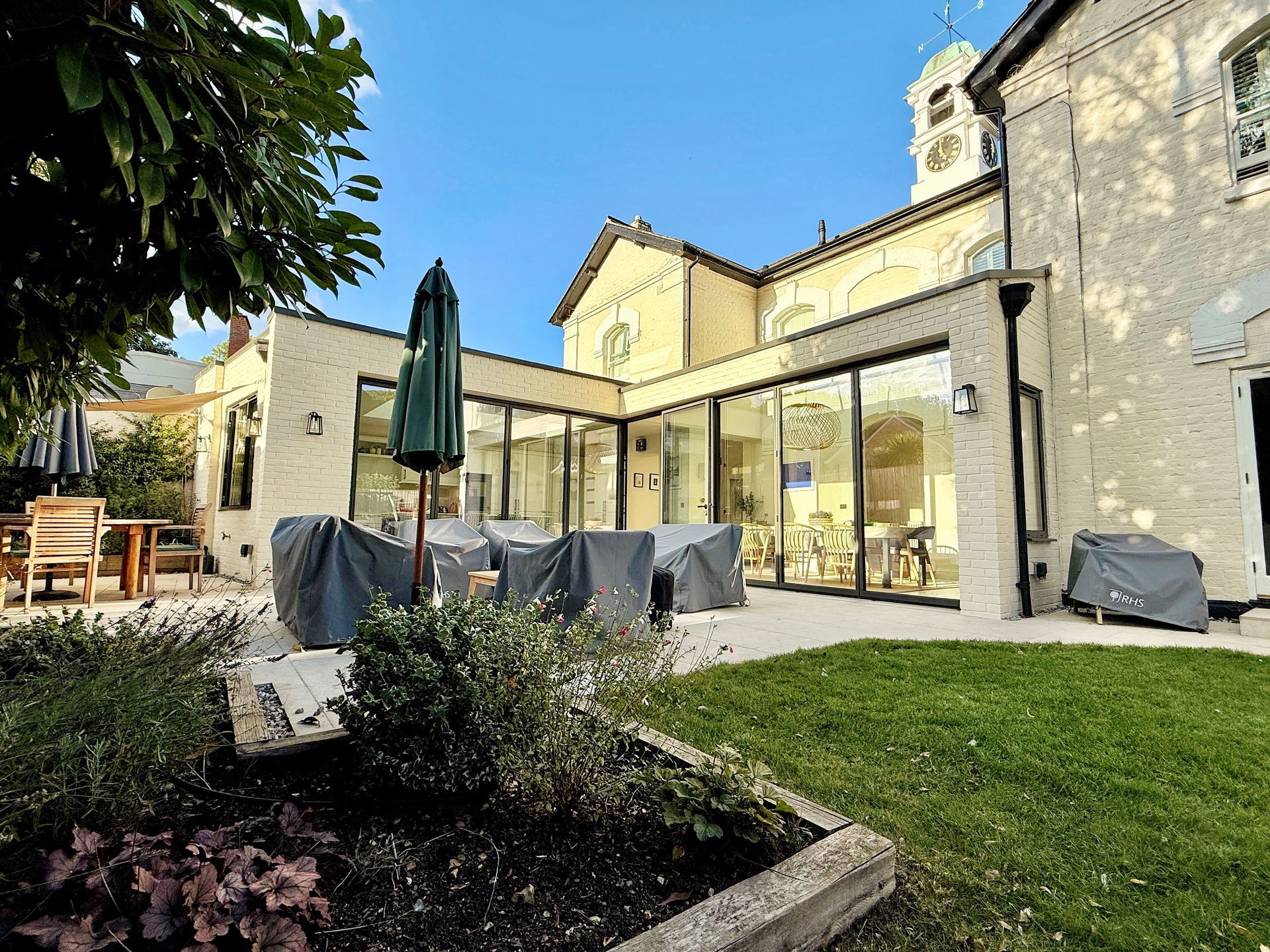
For many families, extending or renovating their home has long been the dream solution — more space, a better layout, and a home that works for modern life. But in today’s climate, with projects in the £100,000–£300,000 range, things feel a lot more challenging. So what’s changed, why is it harder, and how can you still make your project work? The Main Challenges • Planning is getting pricier – application fees are higher, and councils are demanding more specialist reports (heritage, ecology, flood risk, transport, sustainability). • Build costs keep rising – materials and labour are much more expensive than even a few years ago. • Tougher regulations – stricter building rules on energy efficiency, fire safety and accessibility add extra costs. • Financing is harder – borrowing is still more expensive than it was pre-2022. • Trades are stretched – good builders and subcontractors are in high demand, pushing prices and timescales up. • Delays and uncertainty – planning decisions are taking longer, especially in sensitive areas like the Green Belt, Conservation Areas or with listed buildings. • Budgets are squeezed – with the cost of living rising, homeowners are weighing up whether extending or simply moving makes more sense.