Wraysbury River House

Chris Dale • May 18, 2023

What an exciting project this is, we can’t wait till it’s built, but how did it start?
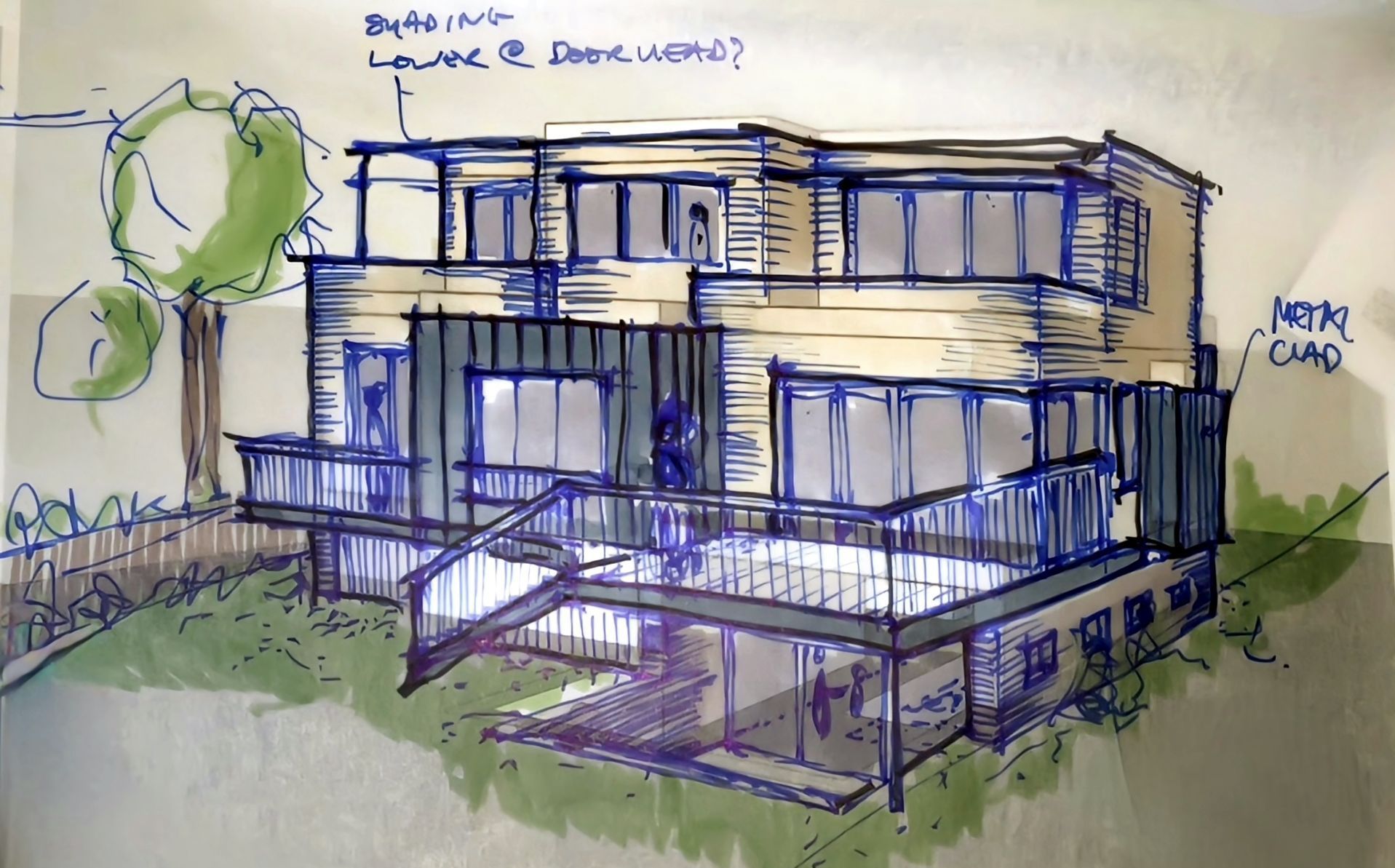
What did the final planning application for this early sketch, end up looking like?


We started this exciting journey for a new dwelling on the banks of the Thames in Wraysbury just over a year ago.


As is the case with every project, it started as dream in the heads (and hearts :o) of our clients – it was then our job to translate them; first into a workable brief and then through trial and error through the design process, through numerous iterations, into the final solution – balancing a host of different requirements. We included a very early concept 3D view, which was very useful, both to help us develop the design but critically to help the client to visualise something that is definitely not traditional!


It has taken this long as quite rightly our client took our advice to pre-consult with a comprehensive list of experts to ensure we avoided as many unpleasant surprises as possible, which should mean a smoother, quicker & more accurately costed process going forward.


  • Planning Consultant – Ensuring throughout the process that the proposals developed with a thorough understanding all of the Local Authorities relevant policies.


  • Flood Consultant – Ensuring the designs comply with flood policy as the site abuts a river.


  • Structural Engineer – Ensuring a practical, buildable proposal as the contemporary design is partially on stilts to raise it above the 1:10 flood levels.


  • Energy Consultant – Ensuring that the proposed building is both energy efficient and with large areas of glass can function in the warming climate without the need for expensive cooling equipment.


  • Basement Specialist – Initial proposals included a basement pool, a specialist field, especially when it’s proposed adjacent to a river and in a flood zone!


  • Quantity Surveyor – Possibly the most fundamental aspect – to ensure throughout that our proposals are constantly cost checked, to enable the client to make design decisions based on empirical evidence (rather than “ooh let’s not do that stair/rooflight/etc – it ‘sounds’ expensive”)


It’s still a long way to go but with the preparation and work that has already gone into this stunning project – this is certainly a big milestone!


We’re looking forward to updating you in a couple of months (subject to LA timescales…)


Please do get in touch if you’ve been dreaming of your own project and we will be delighted to discuss it with you and help you make it reality!
By Chris Dale December 1, 2025
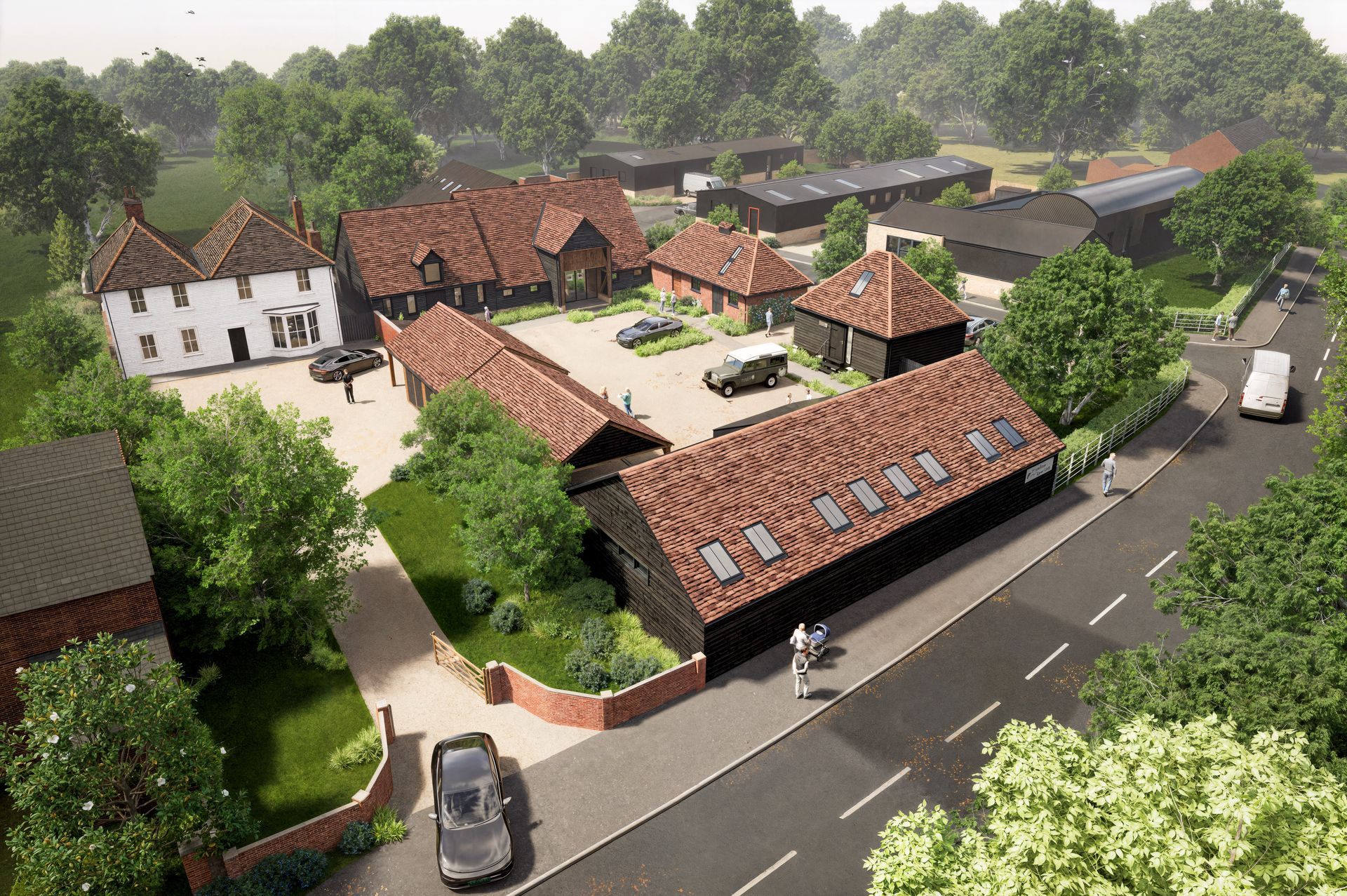
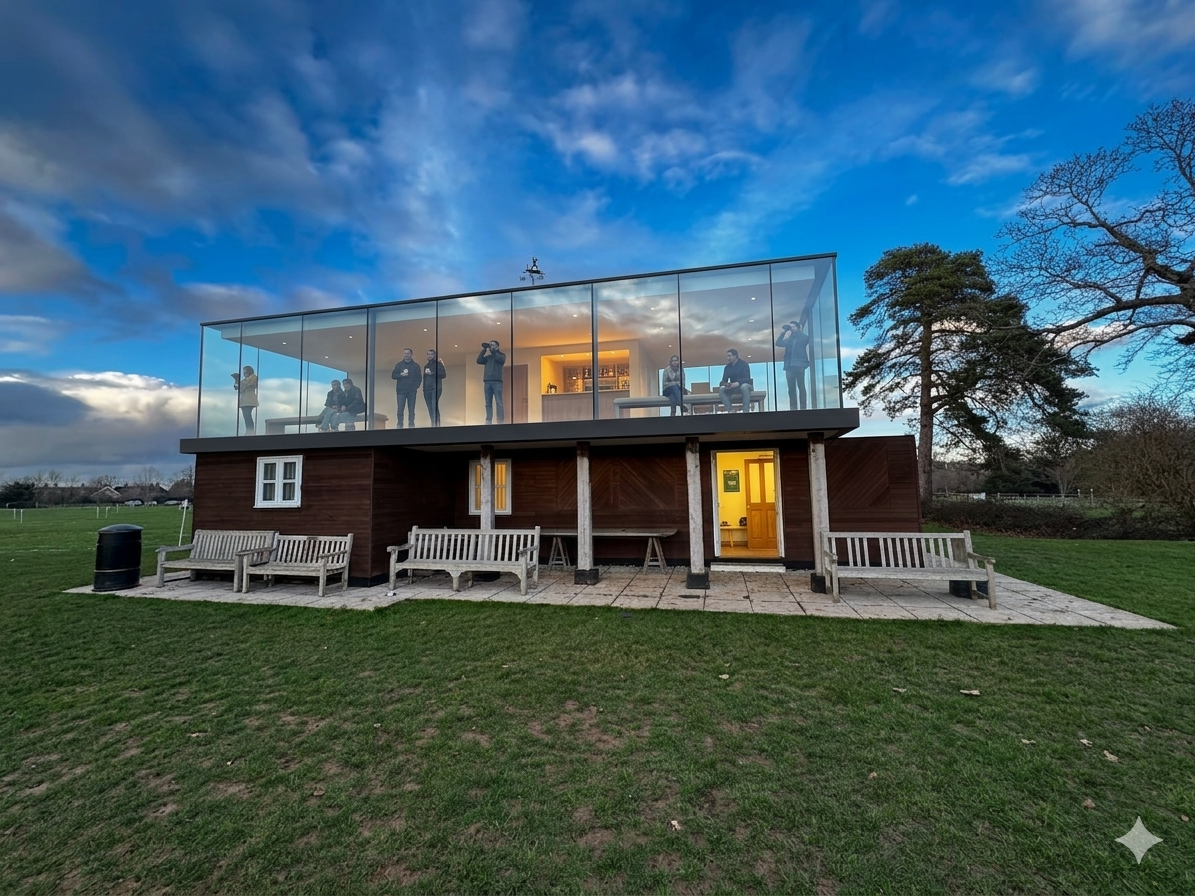
This marks a huge milestone in what has been one of the most exciting, challenging, and rewarding projects our practice has ever worked on. An Opportunity and a Privilege When we were first approached by Step Property almost five years ago, it was immediately clear that Manor Farm was a once-in-a-career project — a historic farmstead with five Grade II listed buildings, a sensitive Conservation Area setting, Green Belt & flood plain constraints, a struggling commercial yard and collapsing historic buildings that all urgently needed a coherent long-term vision and a strategy to achieve that. To be entrusted with leading the design and coordination of such a significant site has been a genuine privilege, one which we have not taken lightly.
By Chris Dale November 3, 2025
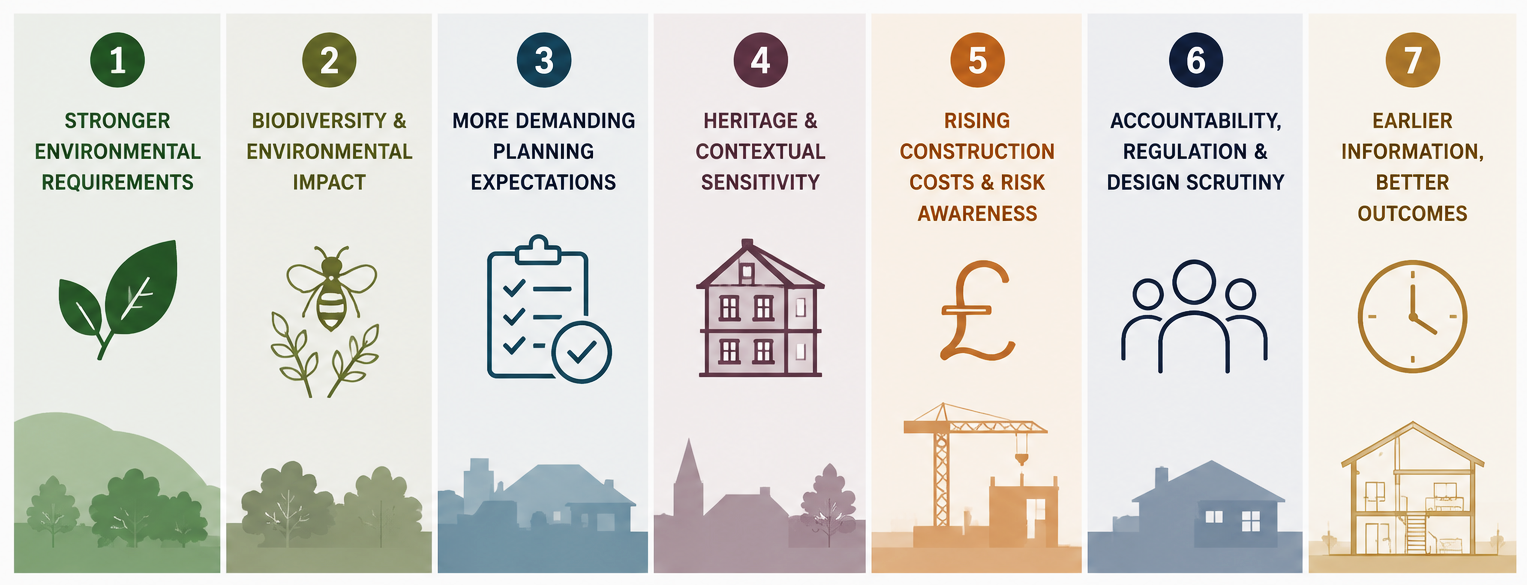
Across the UK, many homeowners and small developers are pausing their plans. Construction costs are at record highs, planning requirements have become more complex, and professional fees are also increasing, so even a seemingly simple home extension or redevelopment is much more of a risk. Possibly the greatest concern we hear is – “What if we spend thousands of pounds only to find out it’s not even possible?” That’s exactly why we created the Kickstarter Package — our fixed-fee feasibility study that helps you to make informed decisions at a nominal cost in comparison to house purchases and developments. What is the Kickstarter Package? The Kickstarter Package is a design-led feasibility consultation that explores the planning, budget and design potential of your property. For a modest, fixed fee (from £750 excl. VAT), our experienced architects help you understand whether your ideas are likely to be achievable, affordable, and aligned with current planning policy — saving time, stress and money later on. You’ll receive clear answers to the key questions every homeowner faces: Is planning permission likely to be granted? What might the project cost? How long could it take? What could it look like? What’s Included — and Why It Matters Each element of the Kickstarter Package offers exceptional value compared with typical early-stage architectural or consultant fees. 1. Initial Consultation and Site Visit We start with a detailed discussion about your goals & requirements — from extending your home to redeveloping a site or purchasing a property. Then we visit the site to review opportunities and constraints in person. This early visit often uncovers crucial planning, drainage or design issues before you spend thousands on detailed drawings.
By Chris Dale September 30, 2025
For many families, extending or renovating their home has long been the dream solution — more space, a better layout, and a home that works for modern life. But in today’s climate, with projects in the £100,000–£300,000 range, things feel a lot more challenging. So what’s changed, why is it harder, and how can you still make your project work? The Main Challenges • Planning is getting pricier – application fees are higher, and councils are demanding more specialist reports (heritage, ecology, flood risk, transport, sustainability). • Build costs keep rising – materials and labour are much more expensive than even a few years ago. • Tougher regulations – stricter building rules on energy efficiency, fire safety and accessibility add extra costs. • Financing is harder – borrowing is still more expensive than it was pre-2022. • Trades are stretched – good builders and subcontractors are in high demand, pushing prices and timescales up. • Delays and uncertainty – planning decisions are taking longer, especially in sensitive areas like the Green Belt, Conservation Areas or with listed buildings. • Budgets are squeezed – with the cost of living rising, homeowners are weighing up whether extending or simply moving makes more sense.
By Chris Dale September 3, 2025
1. Tell us a little about Mark Taylor Design — how did it start, and what defines your approach to bespoke interiors and kitchens? Mark Taylor Design was set up 29 years ago. I was trained in both furniture production and management and was also a keen designer. I had completed an MBA and wanted to apply all these skills to build a business, doing something I loved. I have always believed that you can design beautiful furniture and rooms without imposing a specific ‘look’. The company has built its reputation on listening to the ideas and desires of clients. We then help to steer their vision through space design, interior expertise and craft skills. What people have at the end of their design and build journey is their vision made beautiful – rather than ours. 2. What makes a truly successful kitchen or interior design in your view — and how do you balance aesthetics with day-to-day functionality? There is nothing quite like the beauty of bespoke. Having something created to your specifications is arguably the epitome of modern luxury. Bespoke is most commonly used to refer to hand-made suits and shoes. Now the concept has become much more sought after within the world of interiors and design – with bespoke kitchens leading the way. And it’s not too hard to understand why. Bespoke means not having to compromise - getting exactly what you want and how you want it. It also allows you to unleash your imagination and embrace your creativity. The end result is a room that is crafted, in every way, to embrace your lifestyle and personal taste. Importantly, by incorporating some elements of bespoke furniture into a custom made kitchen it’s possible to give people a unique room without breaking the bank. This could be a bespoke island or dresser for instance. By combining bespoke and custom made you can optimise the space so that the end result flows smoothly and looks amazing too. 3. How do you typically collaborate with architects on a project? What makes those relationships work well? Collaboration early on always helps. We ask architects not only about style and budget but also about the client’s favoured ways of working. Ideally, we like to meet the clients with the architect from the outset. Where this isn’t possible, we at least aim for a walk round the space or a chat through all the plans – even for the areas we might not be designing for, as this gives us a more comprehensive understanding of the clients’ vision.
By Chris Dale August 19, 2025
It’s summer holiday season — and as clients return from coastal cottages, mountain cabins, or sun-drenched villas, one theme keeps coming up: “How can I bring this feeling home?” That sense of ease, simplicity, and quiet joy isn’t just about being away—it’s about how those spaces are designed. At Artichoke: Architectural Consultancy, we help clients capture that same serenity in their everyday environments, with thoughtful design that’s tailored to how they live. Restful spaces aren’t created by chance. They’re the result of purposeful decisions—about layout, light, flow, and function. And often, it’s the small, well-considered changes that make the biggest difference. With decades of experience navigating UK planning, building regulations, and complex design briefs, we know how to deliver spaces that feel effortless, yet are deeply intentional. A calming home doesn’t need to be minimalist or expensive—it needs to be clear. That might mean reconfiguring a hallway to reduce visual clutter, introducing built-in storage to keep surfaces free, or designing a garden connection that invites you to step outside. These aren’t grand gestures—they’re subtle shifts that support a more peaceful way of living. Previously, on projects such as Halfacre (pictured below) we have found that storage, in particular, plays a quiet but very powerful role. When clutter is tucked away with care, rooms feel lighter, more spacious, and more welcoming. We design storage that’s integrated, intuitive, and tailored to your lifestyle — so your home supports simplicity without sacrificing function.
By Chris Dale July 16, 2025
Like many, I am generally a saver rather than a borrower by default. A client recently told us that they planned to delay their project, so that they could save the additional money they needed to be able to do the extension that they really wanted, rather than compromising. Wisely they had asked us to carry out a costing exercise, so they knew this and could assess the situation and plan for it. In that instance they had £75,000 and needed save roughly another £25,000 to do what they wanted to do, which they thought they might be able to do over the course of 3-4 years. Their question was actually when they should resume the process, which we answered and I suggested that they give themselves a year to be comfortable to get planning, building regulations and find themselves a builder (it’s always better to allow more time than less!). However, it occurred to me that whilst saving rather than borrowing (in my mind at least) is an admirable and patient approach, it made me wonder what other factors should be considered.